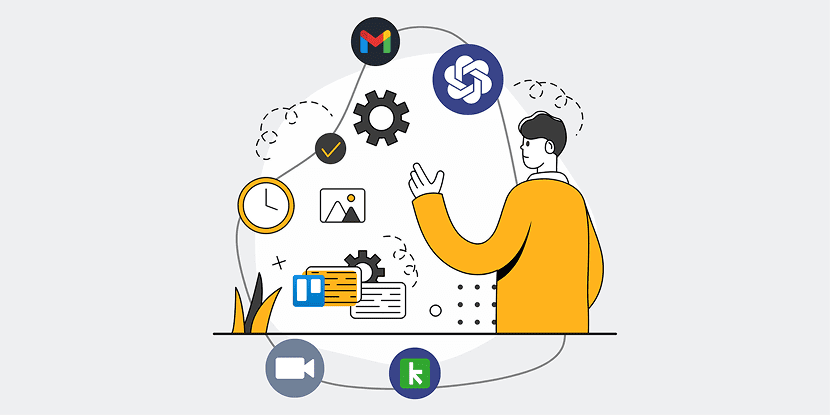
Post: Streamline Charity CRM with Gmail Integration
Streamlining Charity CRM Management with Gmail Integration
Managing relationships with donors and volunteers is paramount for any charity organization. With the ever-growing number of emails, keeping track of interactions can become overwhelming. Integrating Gmail with your Charity CRM system offers a seamless way to log and manage emails without losing crucial information.
Understanding the Importance of CRM Systems for Charities
Customer Relationship Management (CRM) systems are not just for businesses focused on sales; they are an asset for charity organizations as well. These systems help in organizing donor information, tracking interactions, and automating follow-ups. For charities, CRM systems ensure that every touchpoint with supporters is recorded and utilized effectively.
For nonprofit organizations, having a robust CRM system means being able to build stronger relationships with donors and volunteers. By knowing who your supporters are and how they interact with your organization, you can tailor your outreach efforts more effectively, ultimately leading to increased support for your cause.
The Role of Email in Charity Communications
Email remains one of the most effective communication tools for charities. It’s cost-effective and instant, allowing nonprofits to reach out to their audience quickly. Whether it’s sending newsletters or personal thank-you notes, email helps maintain a connection with supporters.
However, managing these emails manually can be time-consuming and prone to errors. Each email interaction needs to be logged accurately in your CRM to ensure that no opportunity for engagement is missed. This is where the integration of Gmail with your CRM can make a significant difference.
How Gmail Integration Enhances CRM Functionality
Integrating Gmail with your CRM allows for automatic logging of emails, ensuring that every interaction is recorded without manual input. This integration saves time and reduces the risk of human error, ensuring that your team has accurate data to work with at all times.
Additionally, this integration can provide insights into email open rates, response times, and engagement levels. With such data at your fingertips, you can refine your communication strategies to improve donor relations and optimize volunteer management processes.
Setting Up the Integration: A Step-by-Step Guide
Setting up Gmail integration with your Charity CRM is simpler than it might seem. Most CRM platforms offer straightforward steps to connect with Gmail. Usually, you’ll need to authorize access between the two platforms, allowing emails to be logged automatically.
Once connected, you can customize which emails get logged and how they’re categorized within your CRM. This flexibility ensures that your system stays organized and relevant, eliminating unnecessary data clutter and focusing only on meaningful interactions.
Benefits of Automating Email Logging for Charities
Automating the process of logging emails into your CRM system offers numerous benefits. Firstly, it frees up valuable time for your staff, allowing them to focus on mission-critical tasks rather than mundane data entry. Furthermore, it improves accuracy in record-keeping, ensuring that all communications are properly documented.
Moreover, automated logging can enhance donor relationships by ensuring timely follow-ups and personalized communication. With a complete view of past interactions, your team can engage supporters more effectively, fostering loyalty and long-term involvement.
Potential Challenges and How to Overcome Them
Despite its advantages, integrating Gmail with your CRM might present some challenges. Initial setup might require technical assistance, especially if customization is required. It’s important to ensure that all team members are aware of how the integration works to maximize its benefits.
Another potential challenge is data privacy. Make sure your integration complies with relevant data protection regulations, safeguarding sensitive supporter information. Regularly updating your system and training your staff about data security practices can help mitigate these risks.
Conclusion: Empowering Charities with Efficient CRM Practices
Integrating Gmail with your Charity CRM is a strategic move towards more organized and efficient donor and volunteer management. This integration not only streamlines communication processes but also provides vital insights that can enhance your outreach efforts.
By embracing technology and automating routine tasks like email logging, charities can focus more on their core mission of making a difference. In the ever-evolving digital world, keeping up with technological advancements is crucial for sustaining and expanding your nonprofit’s impact.
FAQs
1. Why should charities consider integrating Gmail with their CRM?
Integrating Gmail with a CRM system streamlines communication processes, saving time and reducing errors. It ensures that every email interaction is logged automatically, providing a complete view of donor and volunteer relationships.
2. What are the main benefits of using a CRM for charities?
CRMs help organize donor information, track interactions, and automate communication tasks. They enable charities to build stronger relationships with supporters through personalized engagement and improved outreach strategies.
3. How difficult is it to set up Gmail integration with a CRM?
Most CRM platforms offer easy integration steps with Gmail. The process usually involves authorizing access between the software and customizing settings to suit your organization’s needs. Technical assistance may be required for advanced customization.
4. What challenges might arise from integrating Gmail with CRM systems?
Challenges include initial setup complexity and ensuring data privacy compliance. Proper training and regular updates can help overcome these challenges and maximize the benefits of the integration.
5. Can automating email logging enhance donor relationships?
Yes, automation ensures timely and accurate documentation of interactions, facilitating personalized follow-ups. This helps build trust and loyalty among supporters, enhancing overall donor relationships.

RELATED POST