Post: Strategic AI Recruiting: 10 Steps to Prepare HR Teams
10 Strategic Steps to Prepare Your HR Team for AI-Driven Recruiting
The HR landscape is undergoing a monumental shift, driven by the relentless advancement of Artificial Intelligence. For too long, HR and recruiting have been viewed as cost centers, bogged down by manual, repetitive tasks that consume valuable time and resources. But with AI, that narrative is changing. AI isn’t just a buzzword; it’s a strategic imperative that promises to revolutionize how we source, screen, engage, and retain talent. Companies that embrace AI will gain a significant competitive edge, optimizing their hiring processes, reducing unconscious bias, and ultimately, building stronger, more diverse workforces. However, this transformation doesn’t happen overnight, nor does it succeed without thoughtful preparation. It requires a proactive approach from HR leaders to not only adopt new technologies but also to fundamentally rethink their processes and upskill their teams. The goal isn’t to replace human judgment but to augment it, freeing HR professionals from administrative burdens to focus on strategic initiatives that truly impact business growth. This article outlines 10 critical steps your HR team must take now to navigate the transition smoothly and harness the full power of AI in recruiting, ensuring your organization remains agile and competitive in the talent acquisition arena.
1. Conduct a Comprehensive AI Readiness Assessment of Current Processes
Before diving headfirst into AI solutions, a thorough assessment of your existing HR and recruiting workflows is non-negotiable. This involves mapping out every step, from initial job requisition to candidate onboarding. Identify bottlenecks, manual touchpoints, data silos, and areas prone to human error or bias. For example, consider the resume screening process: how much time is spent manually sifting through applications? What criteria are consistently applied, and are they truly predictive of job success, or are they inadvertently creating barriers? Look at interview scheduling – is it a ping-pong match of emails, or is there a system in place? This assessment isn’t just about identifying problems; it’s about pinpointing opportunities where AI can deliver the greatest ROI. Tools like process mapping software or even simple flowcharts can help visualize these workflows. Engage team members across all levels, from recruiters to HR generalists, as they possess invaluable ground-level insights. Understanding your current state allows you to establish a baseline for measuring the impact of AI, providing clear metrics to justify investments and demonstrate success. Without this foundational understanding, AI implementation risks being a shot in the dark, failing to address core inefficiencies or integrate effectively into your unique organizational context.
2. Educate and Upskill Your HR Team on AI Fundamentals and Ethics
The fear of job displacement is a natural human reaction to technological advancements. To counteract this, proactive education is crucial. HR teams need to understand what AI is, how it works at a basic level, and critically, how it will enhance their roles, not replace them. Training should cover not only the technical aspects but also the ethical implications of using AI in recruiting. Topics should include data privacy (e.g., GDPR, CCPA), algorithmic bias, explainability, and the importance of human oversight. For instance, explaining how an AI tool might flag certain keywords in a resume, and why human review is still essential to prevent overlooking qualified candidates due to algorithm limitations. Provide accessible resources such as online courses, workshops, and expert speakers. Create a safe space for questions and discussions, encouraging curiosity rather than apprehension. Empowering your team with knowledge transforms them from passive recipients of change into active participants and champions. A well-informed team is more likely to embrace new tools, identify potential issues, and leverage AI effectively to achieve better hiring outcomes. This investment in human capital is as vital as any technology purchase.
3. Establish Clear Data Governance Policies for AI Integration
AI thrives on data, but the quality, relevance, and ethical handling of that data are paramount. Before integrating any AI tool, your organization must establish robust data governance policies. This means defining how recruiting data (candidate information, performance metrics, interview feedback) will be collected, stored, accessed, and used. What are your consent policies for using candidate data for AI analysis? How will you ensure data accuracy and completeness to prevent “garbage in, garbage out”? Who owns the data? How long will it be retained? For example, if an AI tool suggests candidates based on past hiring patterns, you must ensure that the historical data used is clean, unbiased, and compliant with privacy regulations. Implement strict protocols for data anonymization and pseudonymization where appropriate. Designate a data steward or a cross-functional team responsible for overseeing these policies and ensuring continuous compliance. Poor data governance can lead to inaccurate AI predictions, legal complications, and significant reputational damage. A strong data foundation is the bedrock upon which successful and ethical AI-driven recruiting is built, ensuring trust and integrity throughout the process.
4. Redesign Job Descriptions and Sourcing Strategies for AI Compatibility
Traditional job descriptions, often laden with jargon and outdated requirements, can inadvertently hinder AI’s effectiveness and perpetuate bias. To prepare for AI-driven sourcing and screening, redesign your job descriptions to be clearer, more inclusive, and skill-based. Focus on desired outcomes and essential competencies rather than just years of experience or specific degree types. For example, instead of “5 years experience in project management,” consider “Proven ability to lead complex projects from conception to completion, utilizing agile methodologies.” Use neutral language that avoids gendered or exclusionary terms. Simultaneously, rethink your sourcing strategies. AI tools excel at analyzing vast datasets to identify passive candidates who might not be actively looking but possess the desired skills. This requires expanding your reach beyond traditional job boards to platforms where AI can effectively crawl and parse information, such as LinkedIn, GitHub, or specialized professional networks. Your HR team needs to learn how to craft search queries and define ideal candidate profiles in a way that AI algorithms can interpret accurately, ensuring a broader and more diverse talent pool. This shift moves away from reactive candidate attraction to proactive, data-driven talent identification.
5. Pilot AI Tools Strategically and Measure Their Impact
Instead of a “big bang” implementation, adopt a phased, strategic approach to piloting AI tools. Start with a smaller, manageable project that has clear objectives and measurable outcomes. For example, pilot an AI-powered resume screening tool for a specific job family where you have a high volume of applications. Define success metrics upfront: reduction in time-to-hire, improvement in candidate quality scores, increase in diversity of applicants, or reduction in manual screening hours. During the pilot, collect qualitative feedback from recruiters and candidates. Does the tool genuinely save time? Is it user-friendly? Does it introduce new challenges? For example, if a tool identifies “best fit” candidates, your team should scrutinize its rationale to understand if unconscious biases are being amplified or mitigated. Be prepared to iterate and adjust. The insights gained from a pilot project are invaluable for scaling AI effectively across the organization. This iterative approach allows your team to gain experience, build confidence, and demonstrate tangible ROI before committing to broader, more complex implementations. It’s about proving the concept and building internal champions.
6. Integrate AI Tools with Existing HRIS and ATS Systems
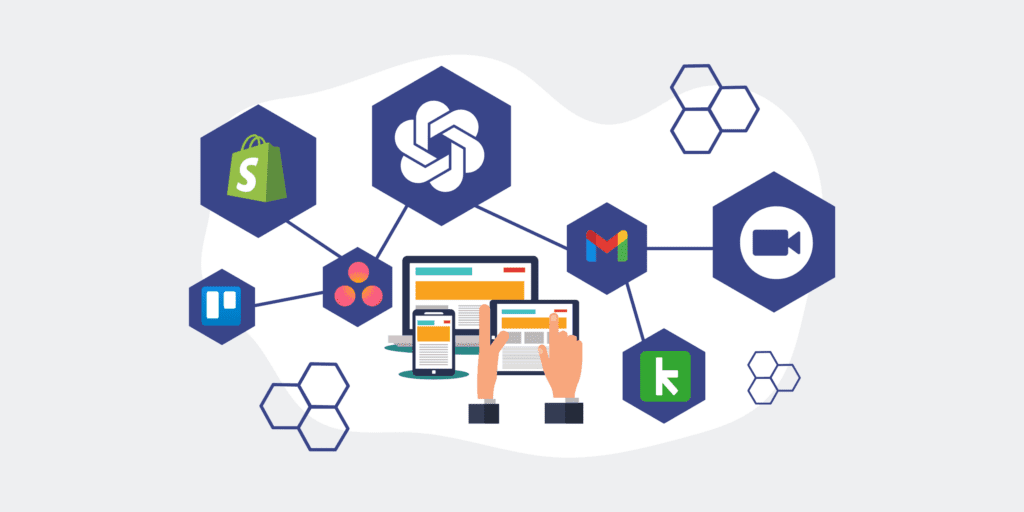
The true power of AI in recruiting is unlocked when it operates as part of a cohesive ecosystem, not as a standalone solution. Seamless integration with your existing Human Resources Information System (HRIS) and Applicant Tracking System (ATS) is critical. This ensures a single source of truth for candidate data, eliminates redundant data entry, and allows for a smooth flow of information across the entire employee lifecycle. Imagine an AI tool that screens resumes, automatically updates candidate profiles in your ATS, and then triggers automated communications (e.g., interview invitations) that are recorded in your HRIS. This level of integration requires careful planning and often involves working closely with your IT department and AI vendor. For 4Spot Consulting, this is where frameworks like OpsMesh come into play—designing an interconnected system where Make.com often serves as the central hub connecting disparate SaaS platforms. Without proper integration, AI tools can become isolated islands, creating new inefficiencies rather than solving existing ones. Your team needs to understand the data flow and how each system communicates to maintain data integrity and optimize workflows.
7. Develop New Roles and Redefine Responsibilities Within HR
The introduction of AI will inevitably shift existing job roles and necessitate the creation of new ones within the HR function. Routine, transactional tasks will be increasingly automated, freeing up HR professionals to focus on higher-value, strategic work. This means roles might evolve from “recruiter” to “talent strategist,” “candidate experience specialist,” or “HR data analyst.” New positions might emerge, such as “AI Ethics Officer for HR” or “HR Technology Integrator.” Your HR team will need training in areas like data interpretation, ethical AI application, change management, and advanced candidate engagement. For example, instead of spending hours manually reviewing resumes, a recruiter might focus on building relationships with top-tier candidates, crafting personalized outreach, or developing innovative employer branding strategies. HR leaders must proactively identify these shifts, provide career pathing and development opportunities, and communicate how these changes will lead to a more impactful and fulfilling HR career. Embrace the opportunity to elevate your team’s strategic contribution.
8. Prioritize Candidate Experience and Communication in the AI Era
While AI can streamline processes, it’s crucial not to lose the human touch that defines a positive candidate experience. AI can automate initial screenings, send personalized updates, and even answer FAQs, but human interaction remains vital at key junctures, particularly during interviews and offer negotiations. Your team needs to understand how AI is impacting the candidate journey and where human intervention is most effective. For instance, an AI chatbot can handle initial inquiries, but a human recruiter should follow up with tailored communication once a candidate progresses. Ensure transparency by informing candidates when AI is being used in the process. Design communication strategies that leverage AI for efficiency while maintaining empathy and personalized engagement. The goal is to create a seamless, efficient, and respectful experience that leaves candidates feeling valued, regardless of the outcome. A poor candidate experience, even if driven by efficient AI, can damage your employer brand and deter future talent.
9. Establish Metrics and Feedback Loops for Continuous AI Optimization
Implementing AI is not a one-time project; it’s an ongoing journey of optimization and refinement. Establish clear key performance indicators (KPIs) to continuously monitor the effectiveness of your AI tools. Beyond traditional metrics like time-to-hire and cost-per-hire, consider new indicators such as candidate diversity pipeline, quality of hire (post-onboarding performance), reduction in bias scores, and recruiter efficiency gains. For instance, track if AI-driven sourcing leads to a more diverse applicant pool or if AI-assisted screening improves the predictive validity of your hiring decisions. Crucially, establish robust feedback loops. Regular check-ins with recruiters, hiring managers, and even candidates can provide qualitative data that complements your quantitative metrics. For example, if recruiters consistently find that an AI tool is missing certain types of qualified candidates, this feedback is essential for fine-tuning the algorithm or adjusting its parameters. This iterative process, which aligns with 4Spot Consulting’s OpsCare framework, ensures that your AI tools evolve with your business needs, delivering sustained value and continuous improvement over time.
10. Foster a Culture of Innovation and Adaptability Within HR
Perhaps the most critical step is to cultivate an organizational culture that embraces change, encourages experimentation, and views technology as an enabler of progress. AI is not static; it’s constantly evolving, and your HR team must be prepared to adapt alongside it. Encourage a growth mindset, where learning new skills and challenging existing norms are celebrated. Create a safe environment for your team to experiment with new tools, share successes, and learn from failures without fear of reprimand. Establish internal champions who can advocate for AI and guide their colleagues through the transition. Promote cross-functional collaboration, breaking down silos between HR, IT, and other departments to ensure a holistic approach to technology adoption. By fostering a culture of innovation, your HR team will not only survive the AI revolution but will lead the charge, transforming the function from a transactional support service into a strategic powerhouse that drives organizational success through superior talent acquisition. This forward-thinking approach ensures sustained competitiveness in a rapidly changing world.
Preparing your HR team for the advent of AI-driven recruiting is not merely an optional upgrade; it’s a strategic imperative for any organization aiming for sustained success and competitive advantage. The future of talent acquisition is here, and it’s intelligent, efficient, and profoundly transformative. By proactively assessing your current state, investing in comprehensive upskilling, establishing robust data governance, and carefully integrating new technologies, your HR function can evolve from a reactive administrative burden to a proactive, data-driven engine of growth. Embracing AI allows your team to shed the low-value, repetitive tasks and redirect their energies towards strategic initiatives that genuinely impact business outcomes – fostering a superior candidate experience, identifying top-tier talent with unprecedented precision, and building a workforce that is not only skilled but also diverse and innovative. The journey requires commitment, a willingness to adapt, and a vision for an HR department that is future-ready. Begin these steps today to ensure your organization is not just participating in the future of recruiting, but leading it.
If you would like to read more, we recommend this article: The Future of AI in Business: A Comprehensive Guide to Strategic Implementation and Ethical Governance


RELATED POST