11 Ways AI and Automation Are Revolutionizing HR & Recruiting for Strategic Advantage
In today’s fast-paced business landscape, HR and recruiting departments are often stretched thin, grappling with an ever-growing list of administrative tasks, a competitive talent market, and the constant pressure to reduce costs while improving outcomes. The traditional approaches to talent acquisition, employee management, and operational efficiency are no longer sufficient to meet these demands. Manual processes lead to bottlenecks, human error, and a significant drain on high-value employees’ time, preventing HR leaders from focusing on strategic initiatives that truly impact the bottom line.
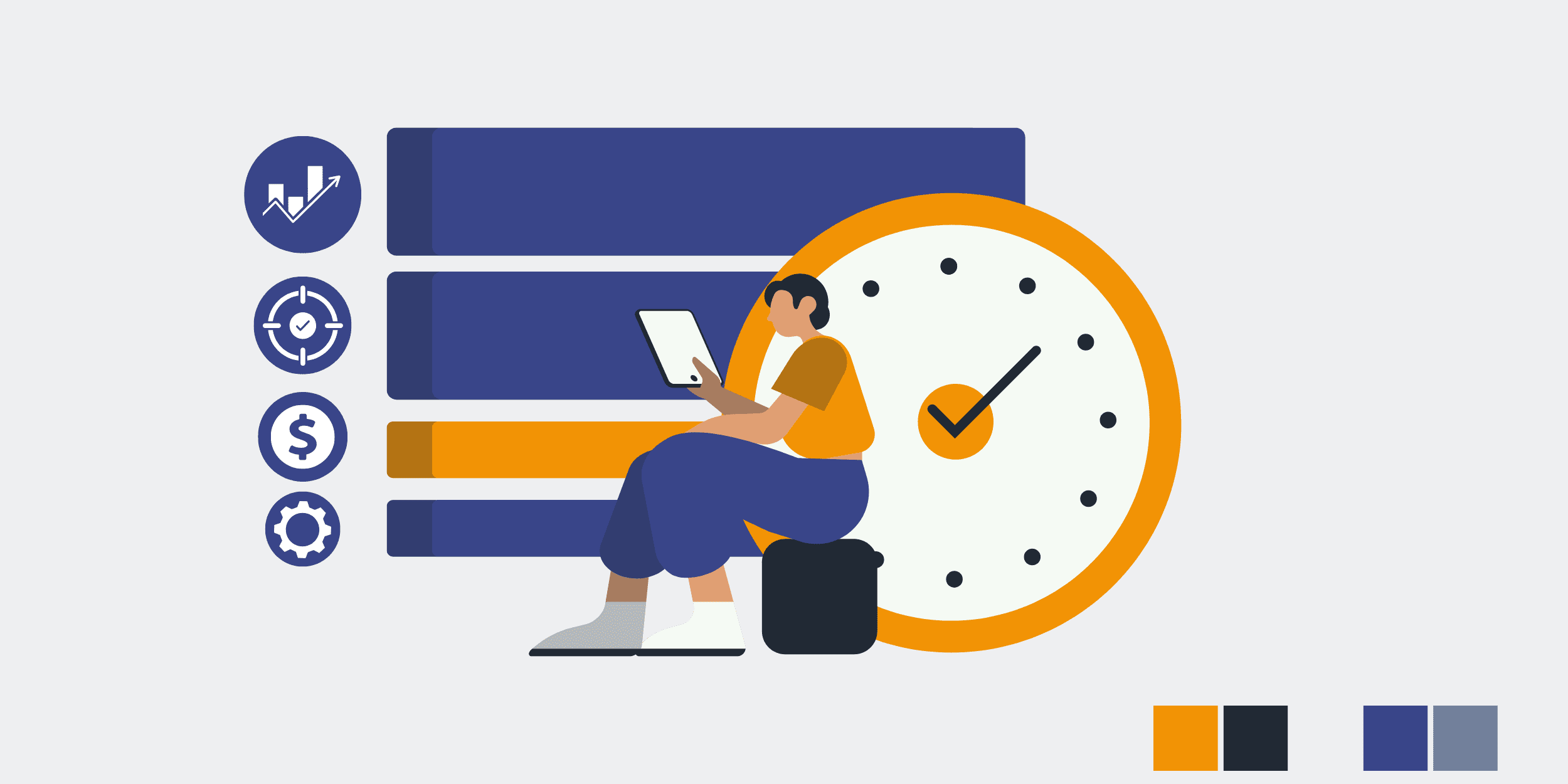
At 4Spot Consulting, we understand these challenges intimately. We’ve seen firsthand how much potential is locked away in inefficient workflows. Our mission is to unlock that potential, saving businesses like yours 25% of their day by strategically integrating automation and AI. This isn’t about replacing people; it’s about empowering your HR and recruiting teams to be more strategic, data-driven, and effective than ever before. It’s about eliminating low-value, repetitive work so your most valuable assets—your people—can focus on what they do best: building relationships, fostering culture, and driving growth.
The convergence of AI and automation isn’t just a trend; it’s a transformative shift that is redefining how companies attract, hire, and retain top talent. From the initial sourcing of candidates to intricate onboarding processes and even ongoing employee development, these technologies offer unprecedented opportunities for efficiency, accuracy, and personalized experiences. This article explores 11 practical applications where AI and automation are making a tangible difference, turning HR and recruiting from cost centers into strategic profit drivers for high-growth B2B companies. Get ready to discover how to move beyond basic digital tools and embrace a truly automated, intelligent HR ecosystem.
1. Intelligent Candidate Sourcing & Discovery Beyond Keywords
The days of relying solely on keyword matching in job boards are rapidly becoming obsolete. AI-powered sourcing tools are revolutionizing how HR and recruiting professionals identify and engage with top talent. These advanced systems don’t just scan resumes for keywords; they analyze vast datasets from professional networks, social media, public profiles, and academic papers to build a comprehensive profile of potential candidates. They can identify candidates with specific skills, experiences, and even cultural attributes that might be overlooked by human eyes or traditional search methods. By understanding the context and semantics of a candidate’s digital footprint, AI can uncover passive candidates who aren’t actively looking for new roles but would be an ideal fit for your organization.
Furthermore, these tools can predict a candidate’s likelihood of being interested in a role based on their career trajectory, industry trends, and even their current company’s performance. This level of predictive analytics saves recruiters countless hours previously spent on manual searches and cold outreach. When integrated with platforms like Make.com, these AI insights can be automatically fed into your CRM (like Keap) or ATS, initiating personalized outreach campaigns tailored to the candidate’s inferred interests and career stage. This strategic approach ensures that your recruiting efforts are not just broad, but deeply targeted, dramatically improving the quality and relevance of your talent pipeline, and ultimately reducing time-to-hire for critical positions. It allows your recruiting team to move from reactive searching to proactive talent acquisition.
2. Automated Resume Screening & Ranking with Bias Reduction
Manual resume screening is one of the most time-consuming and often biased tasks in recruiting. AI steps in to transform this process, offering an objective, efficient, and scalable solution. AI-powered screening tools can analyze hundreds, even thousands, of resumes in minutes, extracting relevant information such as skills, experience, education, and qualifications far more accurately than a human reviewer. These systems can be trained to identify specific competencies and cultural fit indicators aligned with your company’s values and job requirements, moving beyond simple keyword matching to understand the true context of a candidate’s experience.
Crucially, advanced AI algorithms can be designed to minimize unconscious bias often present in human screening processes. By focusing purely on validated job-related criteria, AI can help create a more diverse and equitable candidate pool. After an initial automated screen, the system can rank candidates based on their suitability for the role, presenting recruiters with a highly qualified shortlist. This not only dramatically accelerates the initial screening phase but also ensures that no promising candidate is overlooked due to human fatigue or inherent biases. The time saved here allows recruiters to dedicate more attention to the human elements of the hiring process: building relationships, conducting in-depth interviews, and assessing soft skills that AI cannot fully evaluate.
3. AI-Powered Interview Scheduling & Coordination
The back-and-forth email exchanges and calendar juggling required for interview scheduling can consume a significant portion of a recruiter’s day, especially when coordinating multiple candidates with multiple interviewers across different time zones. This administrative burden is a prime candidate for automation, and AI-powered scheduling tools are proving to be game-changers. These intelligent systems integrate directly with interviewers’ calendars, candidate availability, and your ATS/CRM to find optimal interview slots automatically.
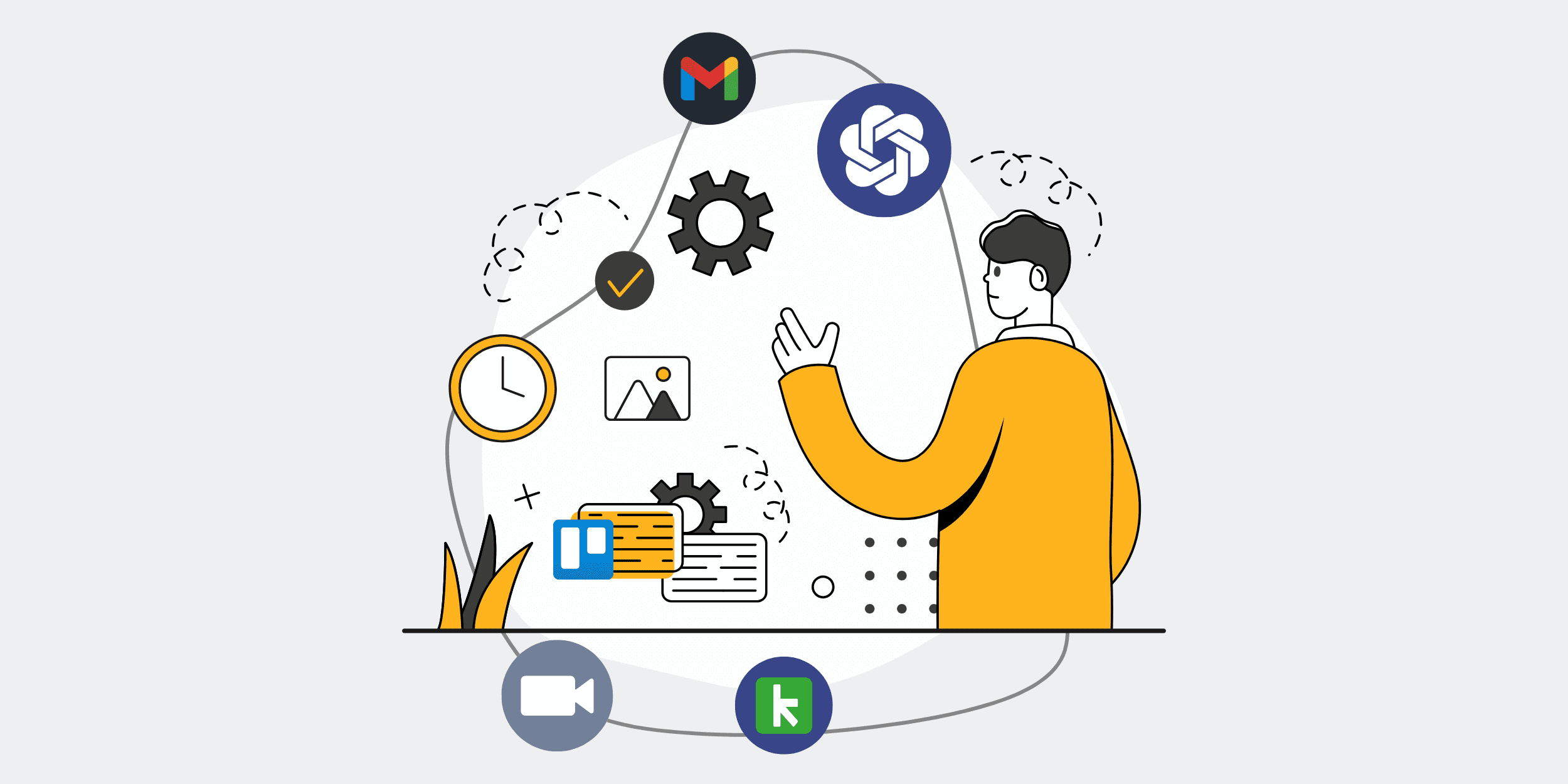
Candidates can often self-schedule from a pre-defined set of available times, reducing friction and improving the candidate experience. Beyond initial scheduling, these tools can send automated reminders to both candidates and interviewers, provide virtual meeting links, and even trigger follow-up actions like sending pre-interview materials or post-interview feedback forms. This streamlined coordination frees up recruiters from tedious administrative tasks, allowing them to focus on more strategic activities such as candidate engagement and pipeline management. For companies leveraging `Make.com`, these scheduling automations can be seamlessly integrated with other HR systems, ensuring a cohesive and efficient recruitment workflow from initial contact through to the final offer. It’s about turning a logistical nightmare into a smooth, professional process that enhances your employer brand.
4. Personalized Candidate Communication & Engagement
In a competitive talent market, a compelling candidate experience is paramount. Generic, infrequent communication can lead to disengagement and lost talent. AI and automation enable highly personalized and timely communication at scale, without increasing the workload on your recruiting team. AI-powered chatbots can answer frequently asked questions from candidates 24/7, providing instant information about company culture, benefits, or the status of their application, thereby improving responsiveness and candidate satisfaction. These chatbots can be integrated directly into your career page or application portal, offering immediate support.
Beyond chatbots, automation allows for the creation of sophisticated, personalized email and SMS sequences triggered by specific candidate actions or stages in the hiring process. For instance, after an interview, an automated email can be sent with relevant resources or insights into the team they met. Using CRM systems like Keap, these communications can be tailored to individual candidate profiles, ensuring the content is relevant and engaging. This continuous, personalized engagement keeps candidates informed, valued, and excited about the opportunity, significantly reducing drop-off rates and strengthening your employer brand. It shifts the focus from manual, reactive communication to proactive, strategic candidate nurturing, ensuring top talent feels seen and understood throughout their journey with your organization.
5. Predictive Analytics for Retention & Turnover
Employee turnover is a significant cost center for any business, impacting productivity, morale, and recruitment expenses. AI offers powerful tools for proactively addressing retention challenges by identifying employees at risk of leaving before they even consider it. By analyzing various internal data points—such as performance reviews, engagement survey results, tenure, compensation, manager feedback, and even peer interactions—AI algorithms can identify patterns and predict which employees are most likely to depart. This isn’t about surveillance; it’s about leveraging aggregated, anonymized data to gain strategic insights into workforce dynamics.
Once potential flight risks are identified, HR professionals can intervene with targeted retention strategies. This might include personalized professional development opportunities, mentorship programs, adjusted compensation, or deeper discussions about career pathing. The goal is to provide timely support and demonstrate investment in employees’ growth and well-being. Furthermore, AI can help identify the root causes of turnover within specific departments or roles, enabling HR to implement systemic changes that improve overall employee satisfaction and commitment. This shift from reactive damage control to proactive retention strategies transforms HR into a more strategic partner in organizational stability and success, ensuring your key talent remains engaged and productive for the long term.
6. Automating Onboarding Workflows for New Hires
The onboarding experience is critical for new employee retention and productivity, yet it’s often a fragmented and manual process involving multiple departments. Automation streamlines the entire onboarding journey, ensuring a consistent, efficient, and positive experience from day one. As soon as an offer is accepted, automation can kick off a series of tasks: generating offer letters and employment contracts (e.g., via PandaDoc), initiating background checks, creating accounts in HRIS and payroll systems, sending IT provisioning requests for equipment and software, and enrolling the new hire in benefits programs.
Beyond paperwork, automation can facilitate a welcoming experience. This includes automated emails to the new hire with pre-boarding information, a personalized welcome message from their manager, and even scheduling introductory meetings with key team members. For teams leveraging `Make.com`, these diverse systems (HRIS, IT, payroll, communication tools) can be seamlessly integrated, ensuring data flows accurately and tasks are completed on time, every time. This not only reduces the administrative burden on HR and hiring managers but also ensures that new hires feel supported and can become productive more quickly. A well-orchestrated onboarding process, powered by automation, significantly improves new hire satisfaction and long-term retention, showcasing your organization’s professionalism and efficiency from the outset.
7. Leveraging AI for Skills Gap Analysis & Development
In a rapidly evolving economic landscape, ensuring your workforce possesses the necessary skills for future challenges is paramount. AI is transforming how organizations identify, analyze, and address skills gaps within their talent pool. By integrating with performance management systems, learning platforms, and even external market data, AI can create a dynamic skills inventory of your entire workforce. It can then compare these existing capabilities against the skills required for current and future roles, as well as industry trends and strategic business objectives, to pinpoint critical gaps.
Once identified, AI can recommend personalized learning and development pathways for employees, suggesting relevant courses, certifications, or internal mentorship opportunities to close these gaps. This proactive approach to talent development ensures that your employees are continuously upskilling and reskilling, maintaining a competitive edge. It also empowers employees by giving them clear direction for career growth and fosters a culture of continuous learning. For HR leaders, this means moving beyond guesswork in training budgets, making data-driven decisions on where to invest in talent development, and building a resilient, future-ready workforce that can adapt to evolving business needs and technological advancements. This strategic insight turns training from a reactive expense into a proactive investment in human capital.
8. Defensible Data Management & CRM Backup for HR & Recruiting
In the realm of HR and recruiting, data is currency, and its integrity, security, and accessibility are non-negotiable. With sensitive candidate information, employee records, and compliance data, robust data management is critical for legal defensibility, audit readiness, and operational continuity. This is where automation, particularly for CRM and data backup, becomes essential. Manual data entry and inconsistent record-keeping are major sources of error and risk. Automated data synchronization ensures that candidate information captured through various touchpoints—applicant tracking systems, recruitment marketing platforms, interview feedback forms—is consistently updated and accurate within your central CRM, such as Keap or HighLevel.
Beyond live data management, automated backup strategies are vital. Imagine losing critical candidate communication history, offer letters, or compliance documents due to a system error or accidental deletion. Automated, regular backups of your entire CRM and related HR data ensure that you have a “defensible copy” of all your information, ready for legal holds, audits, or disaster recovery. Services like `CRM-Backup.com`, a 4Spot Consulting offering, are designed specifically for this, providing secure, off-site, and automated daily backups that give HR leaders peace of mind. This robust data infrastructure not only protects against potential legal liabilities and data loss but also enables more accurate reporting and analytics, turning raw data into actionable insights for strategic decision-making.
9. AI-Driven Compliance & Policy Management
Navigating the complex and ever-changing landscape of labor laws, industry regulations, and internal policies is a daunting task for HR departments. Non-compliance can lead to significant legal penalties, reputational damage, and financial losses. AI and automation offer powerful solutions to alleviate this burden, transforming compliance from a reactive chore into a proactive, intelligent process. AI can monitor regulatory changes in real-time across various jurisdictions, alerting HR to updates that may impact company policies or procedures. This includes changes in hiring laws, diversity regulations, data privacy acts, and benefits requirements.
Furthermore, AI can assist in updating policy documents, ensuring that language is compliant and clear, and automating the distribution of these updated policies to employees for acknowledgement. It can also help track mandatory training completion for compliance purposes, flagging individuals who are overdue. For example, AI can analyze employee data to identify potential non-compliance risks, such as disparities in pay or promotion rates that might indicate discrimination, allowing HR to investigate and address issues before they escalate. By automating these processes, HR teams can significantly reduce the risk of non-compliance, ensuring that the organization operates ethically and legally, while freeing up valuable time previously spent on manual audits and policy research. This makes compliance a more efficient, less error-prone aspect of HR operations.
10. Enhanced Employee Experience Through Automation
While often focused on efficiency for HR, automation also plays a critical role in elevating the overall employee experience, which directly impacts morale, engagement, and retention. By automating routine administrative tasks, HR professionals gain precious time to engage in more meaningful, high-touch interactions with employees. Think of automated self-service portals for benefits enrollment, PTO requests, expense reporting, and accessing HR policies. These systems empower employees to find information and complete tasks independently, reducing the need for constant email exchanges and phone calls to HR, and providing instant gratification.
Beyond self-service, automation can personalize aspects of the employee journey. This includes automated reminders for performance reviews, birthday wishes, work anniversary acknowledgements, or even tailored suggestions for internal career development based on their role and expressed interests. When integrated through platforms like `Make.com`, these automated touchpoints can create a seamless and supportive environment, making employees feel valued and heard. By streamlining the transactional elements of HR, automation allows the HR team to shift its focus towards strategic initiatives like fostering a positive company culture, developing leadership, and addressing complex employee relations issues. This ultimately leads to a more engaged, satisfied, and productive workforce, strengthening your organization from within.
11. Strategic Workforce Planning with AI
Effective workforce planning is no longer about simply filling open positions; it’s about anticipating future talent needs, identifying skill gaps, and strategically aligning your workforce with long-term business objectives. AI is transforming this complex process by providing unprecedented data-driven insights. AI-powered tools can analyze internal data—such as employee demographics, skill sets, performance metrics, and historical turnover rates—alongside external market data, including economic forecasts, industry trends, competitor analysis, and talent availability. This holistic view allows organizations to forecast future staffing needs with much greater accuracy than traditional methods.
For example, AI can predict the impact of new technologies on required skill sets, identify roles that may become obsolete, and highlight emerging roles that will be critical for future growth. It can also model various “what-if” scenarios, helping HR leaders understand the implications of different hiring strategies, training investments, or organizational restructuring plans. This strategic foresight enables proactive decision-making, ensuring that the right talent is available at the right time. By leveraging AI for workforce planning, HR transitions from a reactive support function to a proactive strategic partner, directly contributing to the organization’s scalability, resilience, and competitive advantage in a dynamic global market. It’s about building the workforce of tomorrow, today.
The strategic integration of AI and automation in HR and recruiting is no longer an optional upgrade; it’s a fundamental shift for any business aiming to thrive in the modern economy. From enhancing the candidate experience and streamlining operational workflows to providing predictive insights for retention and future workforce planning, these technologies empower HR and recruiting teams to move beyond administrative overhead and become true strategic drivers. By offloading repetitive, low-value tasks to intelligent systems, organizations can free up their human capital to focus on innovation, relationship-building, and high-impact initiatives that directly contribute to growth and profitability. This transformation is about achieving operational excellence, ensuring compliance, and creating a more engaged and productive workforce.
At 4Spot Consulting, we specialize in helping high-growth B2B companies implement these very solutions, saving you 25% of your day by eliminating human error, reducing operational costs, and increasing scalability. Our OpsMap™ strategic audit is designed to uncover your unique inefficiencies and roadmap the profitable automations specific to your HR and recruiting challenges. Don’t let outdated processes hold your business back. Embrace the future of HR and recruiting—a future that is more efficient, more intelligent, and more human-centered than ever before. It’s time to transform your HR from a cost center into a strategic asset.
If you would like to read more, we recommend this article: HR & Recruiting’s Guide to Defensible Data: Retention, Legal Holds, and CRM-Backup