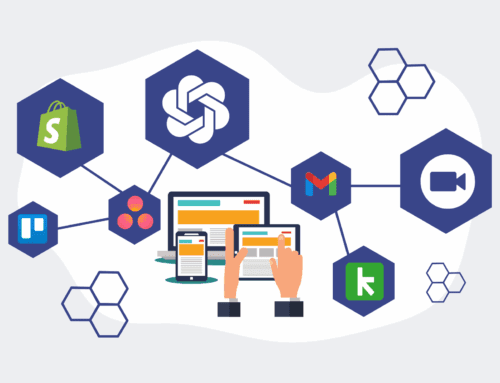
13 Transformative Ways AI and Automation are Reshaping HR & Recruiting
The landscape of Human Resources and Recruiting is in constant flux, driven by the relentless pace of technological innovation. For leaders in HR, talent acquisition, and operations, the challenge isn’t just to keep up, but to strategically leverage these advancements to gain a competitive edge. AI and automation are no longer buzzwords; they are essential tools that are fundamentally altering how organizations attract, engage, and retain talent. From freeing up valuable recruiter time to enabling more data-driven decisions and creating superior candidate experiences, the practical applications are profound.
At 4Spot Consulting, we specialize in helping high-growth B2B companies integrate these powerful tools into their HR and recruiting workflows, eliminating human error, reducing operational costs, and significantly increasing scalability. We understand that your high-value employees should be focused on strategic initiatives, not bogged down by repetitive, low-value tasks. This article explores 13 actionable ways AI and automation are not just streamlining operations, but truly transforming HR and recruiting into a strategic powerhouse, paving the way for a more efficient, compliant, and human-centric future.
Discover how these technologies can save you 25% of your day, allowing your team to focus on what truly matters: building exceptional teams.
1. Automated Candidate Sourcing and Screening
One of the most time-consuming aspects of recruiting is the initial sourcing and screening of candidates. AI-powered tools have revolutionized this by autonomously identifying and engaging passive candidates across various platforms, often predicting their suitability long before they even apply. These systems can scour LinkedIn, GitHub, industry forums, and other online sources to build comprehensive candidate pipelines. Once candidates apply, AI algorithms take over the initial screening process, analyzing resumes, cover letters, and even social profiles against predefined job requirements and desired skill sets. This goes beyond simple keyword matching, utilizing natural language processing (NLP) to understand context, identify transferable skills, and evaluate cultural fit indicators. By automating these early stages, HR and recruiting teams significantly reduce the manual effort involved, allowing them to focus on a smaller, more qualified pool of candidates who are genuinely a good fit for the role and company culture. This not only speeds up the hiring process but also introduces a level of objectivity that can help mitigate unconscious bias in initial reviews, leading to more diverse and inclusive candidate selections. The time saved in this phase alone can be monumental, freeing recruiters to engage in more strategic discussions and relationship building.
2. Enhanced Candidate Experience with AI Chatbots
The candidate experience is paramount in today’s competitive talent market. AI chatbots are playing a crucial role in elevating this experience, offering instant, 24/7 support and personalized interactions that human recruiters simply cannot provide at scale. These intelligent conversational agents can answer frequently asked questions about company culture, benefits, job descriptions, and the application process, eliminating delays and frustrations for candidates. They can guide applicants step-by-step through complex online forms, troubleshoot common issues, and even help schedule interviews by integrating directly with calendars. By providing immediate responses and information, chatbots reduce candidate drop-off rates and project an image of a modern, responsive organization. Furthermore, they can proactively follow up with candidates at various stages of the hiring pipeline, providing status updates and maintaining engagement. This level of responsiveness not only improves candidate satisfaction but also significantly reduces the administrative burden on recruiting teams who would otherwise be fielding countless repetitive inquiries. The seamless, always-on support creates a positive impression, fostering a stronger talent brand and ensuring top candidates remain engaged throughout their journey.
3. Smart Resume Parsing and Data Extraction
The manual entry and standardization of candidate data from resumes into Applicant Tracking Systems (ATS) or Customer Relationship Management (CRM) platforms is notoriously tedious and prone to human error. AI-powered resume parsing tools have virtually eliminated this bottleneck. These sophisticated systems can rapidly extract key information such as contact details, work experience, education, skills, and certifications from resumes in various formats (PDFs, Word documents, etc.). Using advanced NLP, they interpret context and accurately categorize data, populating relevant fields in your HR systems like Keap. This automation ensures data consistency and accuracy, which is vital for effective searching, reporting, and compliance. For instance, instead of a recruiter manually typing in every skill listed, the parser identifies and tags them, making it easy to filter candidates based on specific proficiencies. This not only saves immense amounts of administrative time but also improves the overall quality and reliability of your talent database. With clean, structured data, HR and recruiting professionals can quickly identify qualified candidates, analyze trends, and make more informed decisions without wrestling with disparate or incomplete information. It’s a foundational step towards building a truly data-driven HR function.
4. Predictive Analytics for Turnover and Performance
Understanding and anticipating workforce dynamics is a critical strategic advantage. AI-driven predictive analytics tools harness historical HR data to provide invaluable insights into future trends, enabling proactive talent management. These systems can analyze a myriad of data points—such as employee demographics, performance reviews, compensation, tenure, engagement survey results, and even external market factors—to predict potential employee turnover risks. By identifying patterns and correlations, HR leaders can pinpoint specific departments, roles, or individual employees who may be at a higher risk of leaving, allowing them to intervene with retention strategies before it’s too late. Beyond turnover, predictive analytics can also identify high-potential candidates within your existing workforce for leadership development, forecast future workforce needs based on business growth projections, and even predict the likelihood of success for external hires. This capability transforms HR from a reactive function into a proactive, strategic partner, enabling organizations to optimize their talent investments, mitigate risks, and build a more stable and high-performing workforce. The insights gained allow for targeted interventions, whether it’s improved mentorship, skill development, or compensation adjustments, all designed to secure your most valuable assets.
5. AI-Powered Interview Scheduling and Logistics
Coordinating interviews across multiple calendars, time zones, and stakeholders is a logistical nightmare that consumes significant recruiter time. AI-powered scheduling and logistics tools automate this complex process, dramatically streamlining the interview pipeline. These platforms integrate seamlessly with interviewers’ calendars (e.g., Google Calendar, Outlook) and candidates’ availability, identifying optimal time slots for all parties. They automatically send out calendar invitations, confirmation emails, and timely reminders, complete with virtual meeting links (e.g., Zoom, Google Meet) if applicable. For complex interview panels, the system can manage multiple rounds and adjust schedules dynamically if changes occur, all without human intervention. This automation eliminates endless email chains and phone tag, freeing up recruiters to focus on candidate quality and engagement rather than administrative overhead. Furthermore, some advanced systems can even factor in interviewer preferences, such as avoiding back-to-back interviews or ensuring a diverse panel. The result is a faster, more efficient, and less error-prone scheduling process that enhances the candidate experience by providing clear, consistent communication and reducing wait times. It represents a significant step towards a truly touchless recruiting workflow, optimizing everyone’s time.
6. Personalized Employee Onboarding Workflows
A well-structured onboarding process is crucial for new hire retention and productivity, but it often involves a mountain of paperwork and manual coordination. Automation ensures a consistent, personalized, and efficient onboarding experience from day one. Upon acceptance of an offer, automated workflows can trigger a series of events: sending welcome emails with essential pre-boarding information, automatically generating and routing digital document packets for e-signatures (e.g., offer letters, tax forms, policy acknowledgments via tools like PandaDoc), initiating IT requests for equipment setup and account provisioning, and enrolling new hires in relevant initial training modules. These workflows can be tailored to specific roles, departments, or locations, ensuring new hires receive relevant information at the right time. For example, a sales rep might automatically be assigned CRM training, while a developer receives access to specific code repositories. This level of automation reduces the administrative burden on HR, minimizes errors, and ensures compliance with all necessary paperwork and training requirements. More importantly, it creates a positive first impression for new employees, signaling an organized and supportive environment, helping them feel welcomed and integrated into the company culture faster, ultimately accelerating their path to full productivity.
7. Streamlined Performance Management Cycles
Traditional performance management can be a cumbersome, annual event that feels more like a chore than a valuable development opportunity. Automation transforms this by enabling more continuous, agile, and effective performance cycles. Systems can be configured to automatically send out reminders for performance review deadlines, prompt managers and employees to submit self-assessments and peer feedback, and gather data on goal progress. They can integrate with project management tools to pull performance metrics directly, reducing manual data entry and ensuring objective evaluation. Automated workflows can also trigger check-ins at regular intervals, ensuring ongoing dialogue between managers and employees rather than just a once-a-year discussion. For instance, if a specific goal is nearing its due date, the system can send an automated prompt to the employee and their manager. This continuous feedback loop fosters a culture of ongoing development and accountability. By automating the administrative aspects, HR and managers can dedicate more time to meaningful coaching, strategic goal setting, and career development conversations. The result is a more engaged workforce, clearer performance expectations, and a system that supports employee growth and organizational objectives consistently throughout the year, removing the dread often associated with performance reviews.
8. Intelligent HR Ticketing and Support Systems
Employees frequently have questions about benefits, payroll, policies, or leave requests, leading to a high volume of repetitive inquiries for HR teams. Intelligent HR ticketing and support systems leverage AI to efficiently manage these queries, improving response times and freeing up HR professionals for more complex issues. When an employee submits a question through a portal or chat interface, the AI-powered system can automatically categorize the inquiry, route it to the appropriate HR specialist, and often provide an instant answer based on a comprehensive knowledge base. For common questions, a chatbot can resolve the issue immediately without human intervention, ensuring employees get accurate information 24/7. For more complex cases, the system ensures the query lands with the right expert, tracking its progress and ensuring timely resolution. This automation reduces the administrative burden on HR staff, allowing them to focus on strategic initiatives rather than acting as a constant help desk. It also provides valuable data insights into common employee concerns, which can inform improvements to policies, communications, or training. The enhanced employee experience, coupled with increased HR efficiency, demonstrates a tangible ROI by making HR services more accessible and responsive.
9. Compliance and Policy Automation
Navigating the complex landscape of labor laws, company policies, and regulatory compliance is a significant challenge for HR departments. Automation is a powerful ally in ensuring adherence, reducing legal risks, and maintaining transparency. Automated systems can manage the dissemination of new or updated company policies, requiring employees to digitally acknowledge receipt and understanding. For mandatory training (e.g., harassment prevention, data privacy), automation ensures all employees complete the necessary modules by sending reminders, tracking completion rates, and flagging non-compliance. This is particularly critical for industries with stringent regulatory requirements. Furthermore, these systems can automate compliance checks during onboarding, ensuring all necessary certifications, background checks, and legal documents are submitted and validated. By reducing manual checks and tracking, organizations significantly lower the risk of fines, legal disputes, and reputational damage associated with non-compliance. Automated audit trails provide clear documentation for regulators, demonstrating due diligence. This ensures that every employee is aware of and adheres to company standards and legal obligations, creating a more secure and ethically sound operational environment, allowing HR to focus on strategic people initiatives rather than firefighting compliance issues.
10. Data Protection and Backup for HR Systems (Keap Specific Mention)
In the digital age, employee data is not just sensitive; it’s a critical business asset. Protecting this data and ensuring its availability is paramount, yet often overlooked until a crisis strikes. Automation plays a pivotal role in creating robust data protection and backup strategies for HR systems, especially for comprehensive platforms like Keap that hold a wealth of employee and candidate information. Automated backup solutions regularly create secure, encrypted copies of all HR data, storing them in multiple, geographically dispersed locations. This mitigates the risk of data loss due to human error, system failures, cyberattacks, or natural disasters. Beyond simple backups, automation can monitor data integrity, detect unusual activity that might signal a breach, and trigger alerts to IT security teams. For Keap users, specifically, integrating automated data backup protocols is non-negotiable. Keap is a powerful CRM, but relying solely on manual recovery or basic system safeguards can be a recipe for disaster. 4Spot Consulting helps businesses implement bespoke automation using tools like Make.com to ensure that critical Keap data – from candidate pipelines to employee records – is automatically and reliably backed up, often multiple times a day. This ensures business continuity, protects privacy, and helps maintain compliance with data protection regulations such as GDPR or CCPA. True peace of mind comes from knowing your most valuable data is automatically safeguarded, allowing HR to operate with confidence.
11. Automated Time and Attendance Tracking
Managing employee time and attendance can be a major drain on administrative resources, prone to errors, and a frequent source of payroll discrepancies. Automation transforms this process into a seamless, accurate, and efficient function. Integrated time and attendance systems automatically track employee work hours, breaks, and overtime through various methods such as biometric scans, mobile apps with geo-fencing, or web-based clock-in/out portals. These systems then automatically apply company policies regarding breaks, overtime rates, and absence management. Furthermore, they can automate the entire leave request process, from submission and manager approval to accrual tracking and integration with payroll systems. This eliminates the need for manual timesheets, reducing data entry errors and the time spent correcting them. It ensures accurate payroll processing, minimizes compliance risks associated with labor laws (e.g., FLSA), and provides clear, real-time insights into workforce availability. Managers gain immediate visibility into team attendance, simplifying scheduling and resource allocation. By automating these processes, HR and payroll teams save countless hours each week, allowing them to focus on higher-value tasks, while employees benefit from transparent and fair time management. It’s a foundational automation that impacts virtually every employee and every payroll cycle.
12. AI-Driven Learning and Development Pathing
In today’s rapidly evolving job market, continuous learning and development are vital for employee retention and organizational competitiveness. AI is revolutionizing how companies approach L&D by providing personalized, adaptive learning paths for each employee. These AI systems analyze an employee’s current skills, job role, performance data, career aspirations, and even industry trends to recommend highly relevant courses, training modules, certifications, and development opportunities. Rather than a one-size-fits-all approach, AI tailors content delivery and learning sequences to maximize engagement and effectiveness. For example, if an employee expresses interest in a leadership role, the AI can suggest specific management courses, communication training, or mentorship programs. If skill gaps are identified during performance reviews, the system can automatically suggest targeted training to address those areas. This not only enhances individual career growth but also ensures that the organization possesses the critical skills needed for future challenges. By automating the personalization and delivery of learning content, HR can efficiently manage a highly effective L&D program that fosters continuous growth, boosts employee engagement, and ensures the workforce remains agile and future-ready. It transforms L&D from a reactive offering into a proactive strategic imperative.
13. Enhanced Internal Communications and Employee Engagement
Effective internal communication and high employee engagement are hallmarks of a thriving organizational culture. AI and automation are powerful tools for optimizing these critical HR functions, ensuring messages are delivered effectively and feedback is captured consistently. Automated internal newsletters, tailored to specific departments or roles, can keep employees informed about company news, achievements, and policy updates without manual effort. AI-driven sentiment analysis tools can monitor internal communication channels, like Slack or team forums, to gauge employee mood and identify potential areas of concern before they escalate, providing HR with early warning signals. Automation can also streamline employee recognition programs, sending automated kudos, anniversary messages, or birthday wishes, fostering a culture of appreciation. Furthermore, pulse surveys can be automatically deployed at regular intervals, capturing real-time feedback on engagement, workload, and well-being, providing actionable insights for HR. By automating the deployment and analysis of these communication and engagement tools, HR can maintain a consistent, personalized, and responsive dialogue with the workforce, strengthening connections and ensuring employees feel heard and valued. This leads to higher morale, increased productivity, and a more positive work environment overall.
The journey to a more efficient, strategic, and human-centric HR and recruiting function is paved with intelligent automation and AI. The 13 transformative applications outlined above demonstrate not just the potential, but the current reality of what these technologies can achieve. From attracting top talent more effectively to nurturing employee growth and ensuring critical data protection, the benefits are clear and measurable. Implementing these solutions allows HR and recruiting leaders to reclaim valuable time, reduce operational costs, and elevate their role from administrative to truly strategic. At 4Spot Consulting, we specialize in building these bespoke automation systems, ensuring your HR and recruiting processes are streamlined, compliant, and poised for future growth. Don’t let manual bottlenecks hold your team back any longer; embrace the future of work.
If you would like to read more, we recommend this article: The Essential Guide to Keap Data Protection for HR & Recruiting: Beyond Manual Recovery