Post: Proactive Client Onboarding: Prevent Churn and Cut Costs
Mastering Client Onboarding: The Power of Proactive Support Channels
In the high-stakes world of B2B services, client onboarding isn’t just a process; it’s the foundation of a lasting, profitable relationship. Yet, too often, businesses default to a reactive support model, waiting for clients to encounter problems before offering solutions. This approach, while seemingly cost-effective on the surface, silently erodes trust, increases churn risk, and ultimately stifles scalability. At 4Spot Consulting, we believe true excellence in client integration begins with foresight – with establishing proactive support channels that anticipate needs and resolve issues before they ever become roadblocks.
The Hidden Costs of Reactive Client Onboarding
Consider the typical onboarding scenario: a new client signs on, full of enthusiasm. They’re handed a stack of documents, perhaps a portal login, and told to reach out if they have questions. The support team waits, ready to spring into action when an email arrives or a call comes in. While well-intentioned, this reactive stance places the burden of problem identification squarely on the client. They navigate unfamiliar territory, potentially struggle with initial setup, and their first experiences are often punctuated by frustration, not delight.
The downstream effects are significant. Disgruntled clients are less likely to fully adopt your solution, reducing their perceived value. They become more prone to churn, leading to expensive re-acquisition efforts. Internally, support teams are constantly firefighting, their time consumed by urgent, avoidable issues rather than strategic value creation. This not only strains resources but also creates a negative feedback loop that impacts employee morale and operational efficiency. The initial perceived “saving” of not investing in proactive measures quickly evaporates when faced with the true cost of client dissatisfaction and attrition.
Shifting from Reactive to Proactive: A Strategic Imperative
Embracing proactive support means turning the traditional model on its head. Instead of waiting for questions, you provide answers. Instead of solving problems, you prevent them. This isn’t just a customer service upgrade; it’s a strategic shift that reinforces your value proposition, distinguishes your brand, and drives long-term client success.
Understanding Client Pain Points Before They Arise
The first step in building proactive support is deep empathy and data analysis. What are the common sticking points for new clients? Where do they typically get confused during setup? What are the frequent questions asked within the first 30, 60, or 90 days? By analyzing support tickets, onboarding surveys, and even sales call notes, you can map out potential friction points in the client journey. This allows you to design interventions that pre-empt these issues, providing guidance and resources precisely when and where they’re most needed.
Leveraging Technology for Predictive Engagement
This is where automation and AI become invaluable. Imagine an onboarding system that automatically triggers a “getting started” video tutorial when a client reaches a certain stage, or sends a personalized check-in email if they haven’t completed a crucial setup step by a predicted deadline. AI can analyze client engagement data to identify early warning signs of disinterest or struggle, prompting your team to reach out with targeted assistance rather than waiting for a complaint. This isn’t about replacing human interaction, but intelligently augmenting it, ensuring that human intervention is reserved for high-value, complex scenarios.
Building Your Proactive Support Framework
Implementing proactive support requires a thoughtful blend of people, process, and technology.
Dedicated Onboarding Liaisons & Automated Check-ins
Assigning a dedicated onboarding specialist or client success manager from day one provides a single point of contact, fostering trust and accountability. This specialist, however, shouldn’t be overwhelmed by manual tasks. Automation can handle routine check-ins, progress tracking, and resource delivery, freeing the liaison to focus on personalized guidance, complex problem-solving, and relationship building. Regular, automated surveys can gauge client sentiment and identify areas for improvement before minor issues escalate.
Data-Driven Insights for Personalized Journeys
Integrate your CRM, project management tools, and support platforms to create a unified view of each client’s onboarding progress. This “single source of truth” allows you to track key milestones, identify bottlenecks, and personalize the client’s journey. For instance, if a client consistently engages with specific features, automation can suggest advanced training modules or use cases relevant to their apparent needs. This level of personalization makes clients feel understood and valued, significantly enhancing their experience.
Continuous Feedback Loops and Iteration
Proactive support isn’t a set-it-and-forget-it solution. It requires continuous refinement. Establish mechanisms for gathering feedback at every stage of the onboarding process, both qualitative and quantitative. Use this feedback to iterate on your processes, optimize your automated sequences, and refine the resources you provide. This commitment to continuous improvement ensures that your proactive channels remain effective and evolve with your clients’ needs.
The 4Spot Consulting Approach to Seamless Onboarding
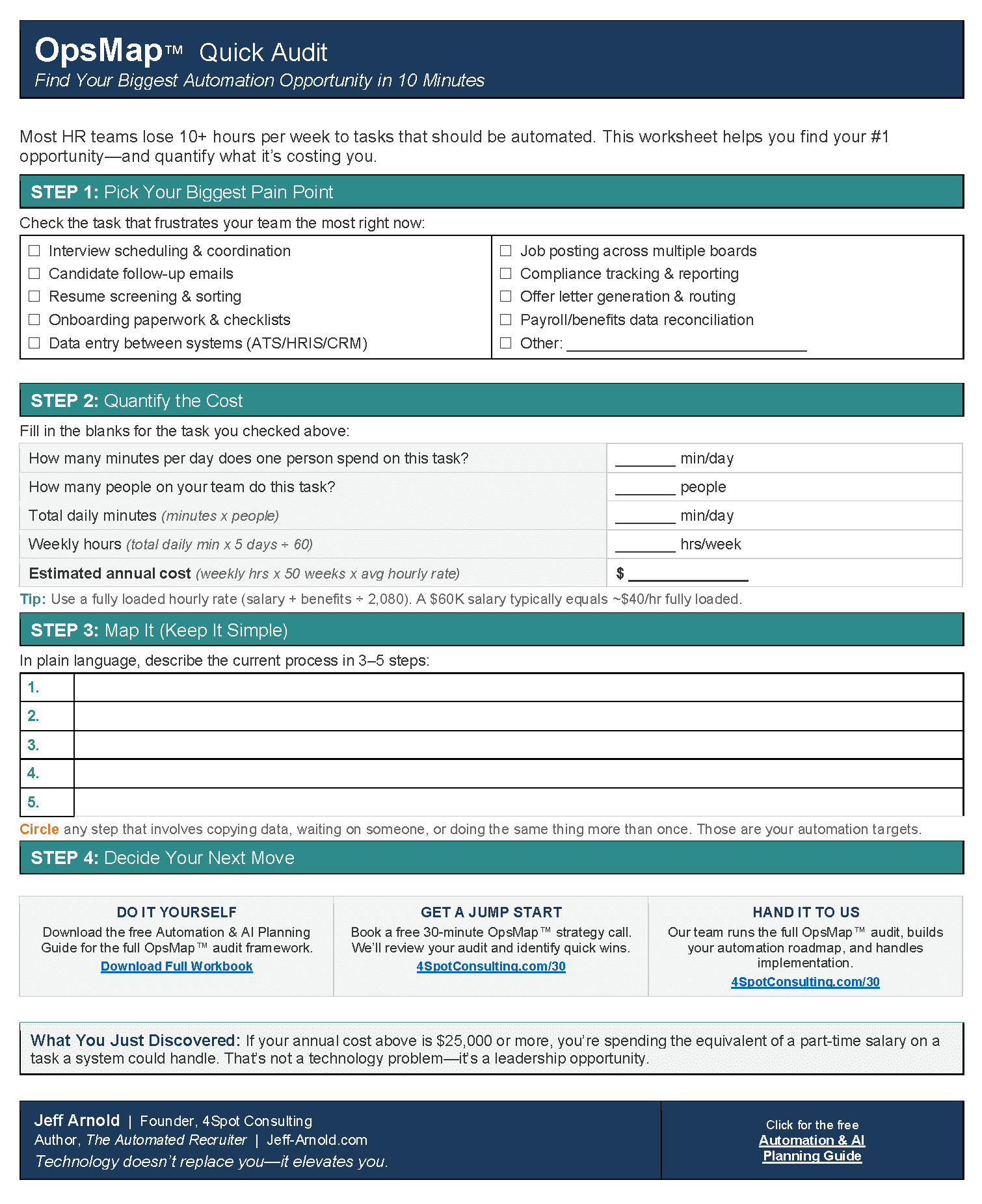
At 4Spot Consulting, we specialize in helping high-growth B2B companies architect these kinds of intelligent, proactive systems. Our OpsMap™ diagnostic identifies the specific friction points in your current client journey, allowing us to design bespoke automation solutions that leverage tools like Make.com and AI to create truly seamless onboarding experiences. We integrate your CRM (like Keap or HighLevel) with other essential systems, building workflows that automate communication, resource delivery, and predictive support triggers. The goal is to eliminate human error, reduce operational costs, and significantly enhance client satisfaction, ensuring they become advocates, not just customers.
Integrating Proactive Support with Core Business Systems
Our expertise lies in connecting disparate systems to create a cohesive operational mesh. For client onboarding, this means ensuring your sales team hands off seamlessly to your onboarding team, that client data flows effortlessly into your support and project management tools, and that proactive communications are triggered accurately based on real-time client activity. This holistic approach not only streamlines the client experience but also saves your team countless hours, allowing them to focus on high-value engagement rather than administrative overhead. By automating the predictable, we empower your team to be truly proactive and strategic.
If you would like to read more, we recommend this article: CRM Data Protection for HR & Recruiting: Mastering Onboarding & Migration Resilience

RELATED POST