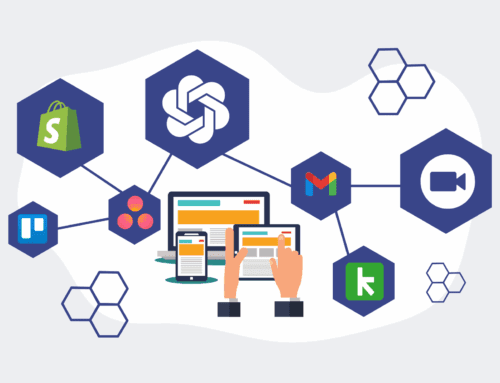
Utilizing Project Management Tools for Multi-Phase Migrations
In today’s dynamic business environment, large-scale migrations—whether they involve CRM systems, cloud infrastructure, or a complete overhaul of operational workflows—are not merely technical exercises; they are strategic undertakings that demand meticulous planning and execution. The complexity compounds when these migrations are multi-phase, often involving various departments, disparate data sets, and a critical need to maintain business continuity. Navigating this labyrinth successfully requires more than just skilled technicians; it necessitates a robust framework, and increasingly, that framework is powered by sophisticated project management tools.
Many organizations approach migrations with a focus solely on the technical aspects, underestimating the intricate web of dependencies, stakeholder management, and potential disruptions. This oversight often leads to costly delays, data inconsistencies, and significant frustration. We’ve witnessed firsthand how a fragmented approach can derail even the most well-intentioned projects. This is precisely where the strategic application of project management tools becomes indispensable, transforming a potential nightmare into a structured, manageable process.
The Imperative for Structure in Complex Migrations
Multi-phase migrations are inherently complex, breaking down a monolithic shift into smaller, digestible components. Each phase carries its own set of objectives, timelines, resources, and risks. Without a centralized system to track these elements, communication breaks down, critical path items are missed, and the overall project drifts off course. Project management tools provide that single source of truth, offering a panoramic view of the entire migration while allowing teams to drill down into the specifics of each phase.
For businesses aiming to eliminate human error, reduce operational costs, and increase scalability, especially those operating with high-value employees whose time is better spent on strategic tasks, the clarity and control offered by these tools are non-negotiable. They enable leadership to monitor progress, identify bottlenecks early, and make data-driven decisions that keep the migration moving forward with precision.
Key Project Management Tool Features for Migration Success
Comprehensive Planning and Task Management
The foundation of any successful migration is a detailed plan. Project management tools excel here, allowing teams to break down the migration into granular tasks, assign ownership, set deadlines, and establish dependencies. For multi-phase projects, this is crucial. You can map out phase one, identify its deliverables, and link its completion to the initiation of phase two, ensuring a logical and controlled progression. This level of detail helps prevent scope creep and ensures every team member understands their role in the larger picture.
Centralized Communication and Collaboration
Migrations often span across departments—IT, HR, Sales, Marketing, Operations—each with their own priorities and communication styles. A robust project management tool centralizes all communication, documentation, and asset sharing. This eliminates the silo effect, ensuring everyone has access to the latest information, changes, and decisions. Features like shared dashboards, comment sections, and notification systems foster a collaborative environment, reducing miscommunications that can prove costly during sensitive data transfers or system cutovers.
Risk Management and Mitigation
No large-scale migration is without its risks. Data corruption, system incompatibilities, resource constraints, and unexpected technical challenges are ever-present threats. Effective project management tools allow teams to proactively identify, assess, and track potential risks associated with each phase. By assigning mitigation strategies and owners to these risks, organizations can prepare for contingencies, minimizing the impact should an issue arise. This foresight is critical for maintaining business continuity and protecting valuable data assets.
Resource Allocation and Tracking
Optimizing resource allocation is paramount in multi-phase migrations. These projects often demand specific skill sets at different times, and mismanaging resources can lead to burnout, delays, or cost overruns. Project management platforms provide visibility into resource availability and workload, enabling managers to allocate personnel effectively across various phases and tasks. This ensures that critical resources are deployed where and when they are most needed, maximizing efficiency and preventing project stalls.
Beyond the Tool: The Strategic Imperative
While project management tools are powerful enablers, they are just that—tools. Their effectiveness is amplified when paired with a strategic approach and expert oversight. Choosing the right tool involves understanding your organization’s unique operational nuances and the specific demands of the migration. More importantly, it requires establishing clear methodologies, protocols, and leadership to guide the process.
At 4Spot Consulting, we approach multi-phase migrations not just from a technical standpoint but through a strategic lens, integrating our OpsMesh framework to ensure alignment with broader business objectives. We understand that success isn’t just about moving data; it’s about minimizing disruption, enhancing operational efficiency, and setting the stage for future scalability. We’ve leveraged these principles to help numerous businesses navigate complex transitions, ensuring their high-value employees can focus on innovation, not migration headaches.
If you would like to read more, we recommend this article: CRM Data Protection for HR & Recruiting: Mastering Onboarding & Migration Resilience