
Post: Stop Scope Creep: Define Your White-Glove Onboarding Scope
How to Define Your White-Glove Onboarding Scope Effectively
In the high-stakes world of B2B services, the term “white-glove onboarding” has become ubiquitous, signifying a premium, personalized experience. Yet, for many organizations, defining the actual scope of such an offering remains a fuzzy endeavor, leading to scope creep, client dissatisfaction, and diminished profitability. At 4Spot Consulting, we understand that a truly white-glove experience isn’t just about lavish attention; it’s about meticulously planned and executed automation that ensures precision, eliminates human error, and delivers quantifiable value. The cornerstone of this success lies in an effectively defined onboarding scope.
The allure of white-glove service is clear: it promises an exceptional start, a seamless integration, and a clear path to value realization for the client. But without a stringent and well-articulated scope, this promise can quickly unravel into a quagmire of undefined expectations and runaway resource allocation. It’s not enough to simply say you offer a premium service; you must delineate precisely what that entails, for whom, and under what conditions. This is especially critical for high-growth B2B companies looking to scale without sacrificing quality or profitability.
Beyond the Buzzword: What Truly Constitutes White-Glove Onboarding?
For us, white-glove isn’t just about having a dedicated account manager; it’s about anticipating needs, preempting issues through intelligent system design, and automating the mundane so that human interaction can focus on strategic value. It’s about building a predictable, repeatable process that still feels uniquely tailored. This means going beyond basic setup and delving into deep integration, customized workflows, and proactive data management. The scope must encapsulate this proactive, intelligent approach, rather than merely reactive support.
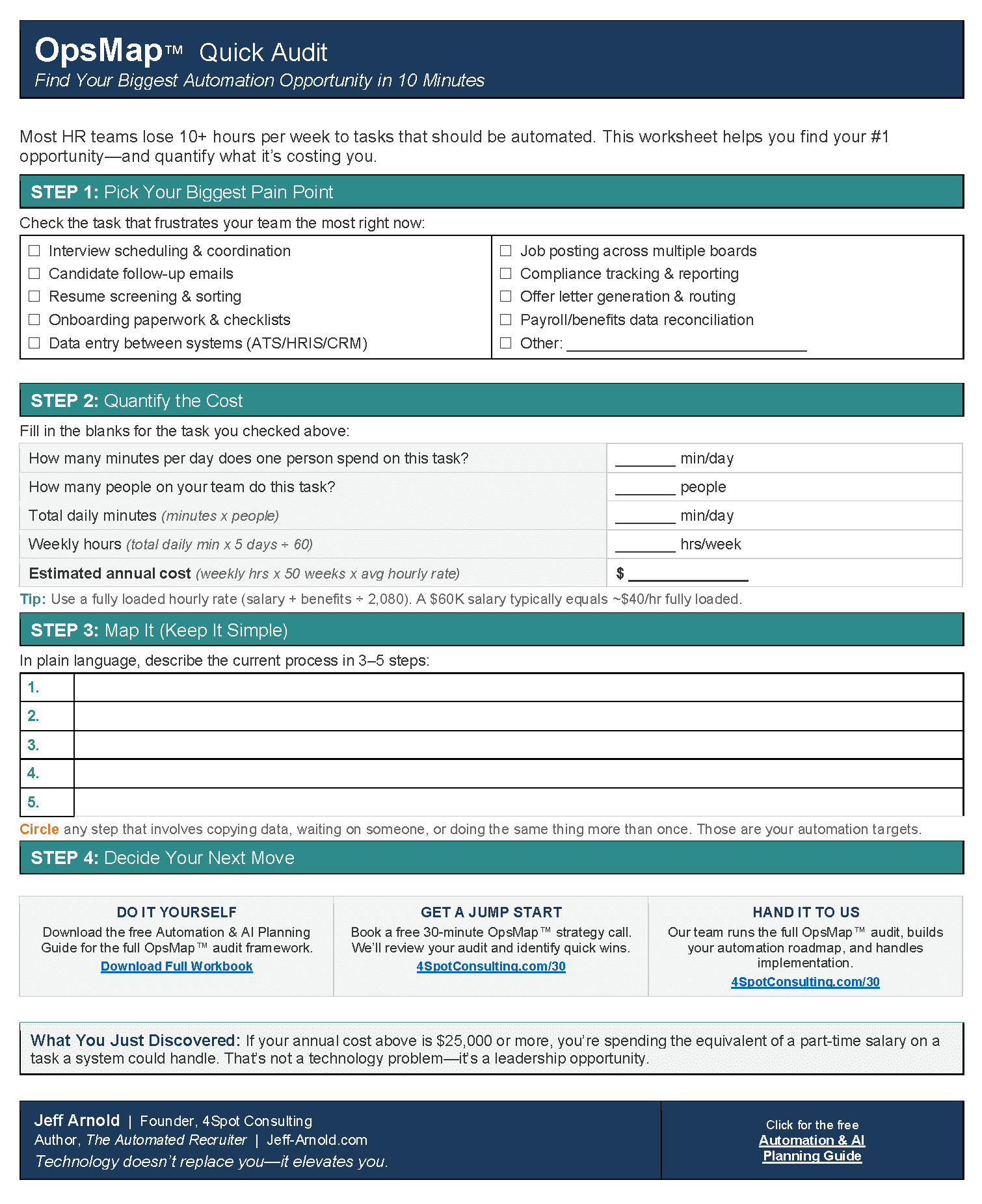
Defining this scope begins with a profound understanding of the client’s current state, their desired future state, and the critical path to bridge that gap. This isn’t a simple checklist; it’s a strategic audit, much like our OpsMap™, which uncovers inefficiencies and automation opportunities unique to their environment. A truly effective scope definition will translate these insights into actionable deliverables, clearly stating what will be built, integrated, or optimized, and what falls outside the immediate engagement.
Key Pillars for an Ironclad Onboarding Scope
1. Pinpoint Client Outcomes, Not Just Tasks
Instead of merely listing features to be configured, focus the scope on the tangible business outcomes the client expects. For instance, rather than “CRM setup,” frame it as “Implementation of CRM to reduce lead processing time by 20% and improve sales team follow-up rates.” This shifts the conversation from transactional activities to strategic impact, making scope creep easier to identify and manage, as any deviation from the outcome-based goal becomes immediately apparent.
2. Clearly Delineate In-Scope vs. Out-of-Scope Items
This is arguably the most critical component. Be explicit about what *is* included and, equally important, what *is not*. If data migration for specific legacy systems is included, specify which ones. If custom reporting is offered, define the maximum number or complexity. If ongoing support beyond a certain period requires a separate agreement, state that upfront. Ambiguity is the enemy of scope management, and the more precise you can be, the fewer surprises there will be for both parties.
3. Define Success Metrics and Milestones
How will both parties know the onboarding has been successful? Integrate specific, measurable, achievable, relevant, and time-bound (SMART) metrics into the scope. This could include system uptime, user adoption rates, data accuracy percentages, or specific process efficiencies gained. Attach these metrics to clear milestones, allowing for regular reviews and adjustments. This structured approach fosters accountability and provides a framework for tracking progress against the white-glove promise.
4. Establish Communication Protocols and Feedback Loops
Even with the most detailed scope, effective communication is paramount. The scope should outline how and when updates will be shared, the channels for client feedback, and the process for addressing potential changes or issues. A defined cadence for check-ins, reporting, and issue resolution ensures transparency and keeps both teams aligned, preventing minor misunderstandings from escalating into major conflicts.
5. Integrate Automation Strategy from the Outset
For 4Spot Consulting, white-glove often means intelligently automating complex workflows. The onboarding scope should reflect this. Detail which manual processes will be automated, the tools that will be integrated (e.g., Make.com, Keap), and the expected efficiencies. This proactive integration of automation not only saves the client time and resources but also embeds resilience and scalability into their operations from day one, solidifying the ‘white-glove’ value proposition.
Defining your white-glove onboarding scope effectively is not just about protecting your business; it’s about delivering superior value to your clients with clarity and confidence. It transforms a subjective service promise into an objective, measurable, and repeatable process. By focusing on outcomes, explicit inclusions/exclusions, clear metrics, robust communication, and strategic automation, you lay the groundwork for exceptional client experiences and sustainable business growth.
If you would like to read more, we recommend this article: CRM Data Protection for HR & Recruiting: Mastering Onboarding & Migration Resilience

RELATED POST