Post: Make.com Recruitment Automation: Scale HR Operations
Scaling Recruitment Operations with Make.com: A Strategic Guide for Growing Teams
In today’s competitive talent landscape, the quest for efficiency and scalability in recruitment is more urgent than ever. Growing organizations often find themselves caught between the ambition to expand and the operational bottlenecks created by manual processes. As recruitment volumes increase, the administrative burden can quickly overwhelm even the most dedicated teams, leading to slower hiring cycles, missed opportunities, and a diluted candidate experience. This is precisely where modern automation platforms, particularly Make.com, emerge as indispensable tools for transforming recruitment operations from a reactive scramble into a proactive, strategic advantage.
The traditional recruitment funnel is rife with repetitive tasks: screening applications, scheduling interviews, sending follow-up communications, updating applicant tracking systems (ATS), and onboarding new hires. Each of these steps, when handled manually, consumes valuable time and introduces the potential for human error. For high-growth companies, this inefficiency isn’t just an annoyance; it’s a direct impediment to scaling effectively and securing top talent swiftly. The challenge isn’t merely to digitize these tasks, but to connect disparate systems and orchestrate seamless workflows that truly automate the end-to-end recruitment journey.
Beyond Simple Integrations: Orchestrating the Recruitment Ecosystem
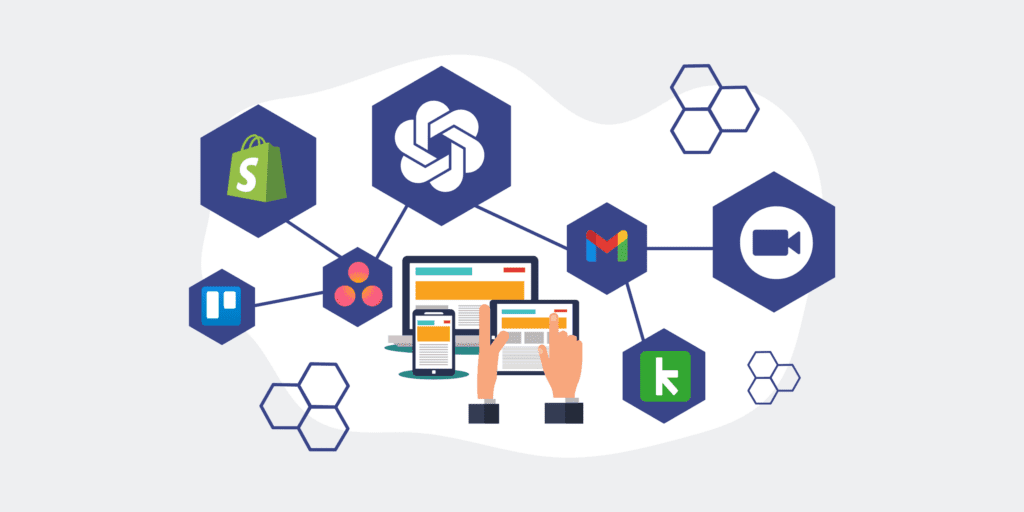
Make.com stands apart from simpler automation tools by offering a visual, powerful canvas to build complex, multi-step scenarios across virtually any web application. Unlike point-to-point integrations that solve isolated problems, Make.com enables the creation of a sophisticated “recruitment operating system” that unifies an organization’s HR tech stack. Imagine a scenario where a new application in your ATS automatically triggers an email to the candidate, schedules a preliminary screening call via your calendar system, creates a new record in your CRM, and even initiates a background check request with a third-party vendor—all without a single manual touchpoint.
This level of orchestration is critical for maintaining consistency and speed. When a candidate applies, the initial response time is paramount. Automating the first touchpoints ensures that every applicant receives timely communication, enhancing your employer brand and preventing top talent from being scooped up by competitors. As candidates progress, Make.com can ensure that all relevant stakeholders—hiring managers, interviewers, HR personnel—are notified and provided with the necessary information at each stage, dramatically reducing communication lags and administrative overhead.
Driving Efficiency and Reducing Cost Per Hire with Automation
The strategic application of Make.com in recruitment translates directly into tangible business benefits. By eliminating manual data entry and repetitive tasks, recruitment teams can reallocate their time to higher-value activities, such as candidate engagement, strategic sourcing, and building robust talent pipelines. This shift not only improves the candidate experience but also empowers recruiters to act more as strategic advisors than administrative processors.
Consider the impact on cost per hire. A significant portion of recruitment costs is tied to the labor hours spent on administrative tasks. By automating these processes, companies can effectively do more with the same or even fewer resources, leading to a direct reduction in operational expenses. Furthermore, faster hiring cycles mean quicker time-to-productivity for new employees, accelerating the return on investment for each hire. This efficiency is not just about saving money; it’s about optimizing resource allocation and fueling sustainable growth.
A Foundation for Data-Driven Recruitment
One of the often-overlooked advantages of automating recruitment operations with Make.com is the ability to standardize data collection and flow. When processes are automated, data points are captured consistently and transferred accurately between systems. This creates a cleaner, more reliable dataset, which is invaluable for analytical insights. Recruitment leaders can gain a clearer understanding of their pipeline efficiency, identify bottlenecks, measure source effectiveness, and track key performance indicators with precision.
For example, by automating the collection of interview feedback into a central system, Make.com can ensure that all feedback is structured and accessible for analysis. This can help identify biases, improve interviewer training, and refine hiring criteria over time. The ability to connect diverse data sources—from initial application to onboarding completion—empowers organizations to move beyond guesswork and make truly data-driven decisions that continuously optimize their talent acquisition strategy.
Future-Proofing Your Talent Acquisition Strategy
In an era where technology is constantly evolving, building a flexible and adaptable recruitment infrastructure is crucial. Make.com’s modular approach allows organizations to iteratively build and refine their automation scenarios without being locked into rigid, off-the-shelf solutions. As new tools emerge or business needs shift, scenarios can be easily modified or expanded, ensuring that your recruitment operations remain agile and responsive.
At 4Spot Consulting, we’ve seen firsthand how adopting a strategic automation framework, leveraging platforms like Make.com, can revolutionize recruitment for growing teams. It’s not just about implementing a piece of software; it’s about rethinking how work gets done, identifying critical inefficiencies, and building intelligent workflows that free your people to focus on what they do best: finding and engaging exceptional talent. By orchestrating your recruitment processes, you’re not just scaling your operations; you’re building a resilient, efficient, and future-ready talent acquisition machine.
If you would like to read more, we recommend this article: The Automated Recruiter’s 2025 Verdict: Make.com vs Zapier for Hyper-Automation


RELATED POST