From Zero-Day to Remediation: Mapping the Incident Life Cycle with Timelines
In the relentless landscape of modern cyber threats, the question is no longer if your organization will face an incident, but when. From the silent, devastating strike of a zero-day exploit to the intricate process of full system restoration, managing a security incident demands precision, clarity, and an unwavering commitment to detail. At 4Spot Consulting, we understand that chaos can quickly consume even the most prepared teams. Our experience shows that the bedrock of effective incident response lies not just in technical prowess, but in the meticulous documentation and real-time tracking that only a well-structured timeline can provide.
The Unpredictable Nature of Cyber Threats
The digital frontier is a battlefield where new vulnerabilities emerge daily. Zero-day exploits, by their very definition, are unknown to the vendor and thus have no immediate patch, leaving organizations acutely vulnerable. This reality underscores a critical need: a robust incident response framework isn’t a luxury; it’s a strategic imperative. Without a clear map, navigating the complex journey from initial compromise to full recovery can feel like traversing a labyrinth blindfolded. This is where the incident life cycle, meticulously charted through detailed timelines, becomes your guiding star.
Deconstructing the Incident Life Cycle: A Timeline Perspective
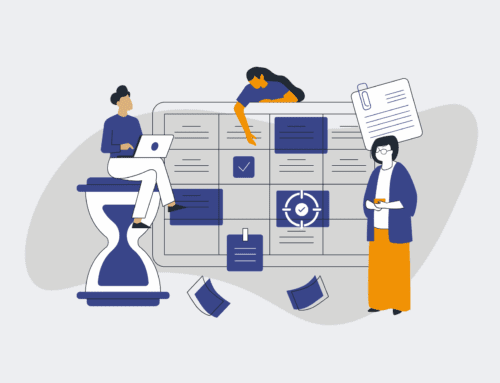
Every cyber incident, regardless of its scale, follows a predictable pattern, a life cycle that, when understood and tracked, allows for methodical, rather than reactive, management. Timelines aren’t just for post-mortems; they are living documents that inform real-time decisions and accelerate recovery.
Phase 1: Preparation & Identification
Before an incident strikes, preparation is key. This includes developing policies, training staff, and deploying detection systems. Once an anomaly is detected – be it a suspicious network activity or an alert from a SIEM – the clock starts ticking. A timeline here records the exact moment of initial detection, the system affected, and the first responders engaged. This timestamp is crucial for establishing the “patient zero” and the initial scope of the breach.
Phase 2: Containment
Once an incident is identified, the immediate priority is to contain it. This might involve isolating compromised systems, disconnecting networks, or patching vulnerabilities to prevent further spread. The timeline during containment chronicles every action taken: which systems were isolated, by whom, at what time, and the immediate impact of those actions. This chronological log is invaluable for understanding the effectiveness of your containment strategy and identifying potential weak points.
Phase 3: Eradication
With containment in place, the focus shifts to eradicating the threat. This means removing the malware, patching the exploited vulnerability, and cleansing affected systems. Timelines here detail the specific tools used, the vulnerabilities addressed, and the confirmation of threat removal. This phase often involves forensic analysis to understand the root cause, and precise timestamps help in correlating findings with specific system events.
Phase 4: Recovery
After eradication, the painstaking process of recovery begins. This involves restoring systems from secure backups, validating their integrity, and returning operations to normal. The timeline for recovery meticulously tracks each system brought back online, the data restored, and the verification steps taken. This ensures a systematic return to full functionality and minimizes the risk of re-infection.
Phase 5: Post-Incident Analysis & Lessons Learned
The incident isn’t truly over until a thorough post-mortem is conducted. This phase, heavily reliant on the incident timeline, involves reviewing every step taken, identifying what worked well, what didn’t, and what improvements are necessary for future incidents. The consolidated timeline provides an undeniable factual account, enabling leadership to make data-driven decisions on security investments, policy updates, and training enhancements. It’s about transforming a setback into a blueprint for future resilience.
Why Timelines Aren’t Just for Post-Mortems: The Proactive Edge
While invaluable for analysis, a robust timeline framework is also a proactive tool. By standardizing the logging of every action during an incident, organizations build a rich dataset. This data, when analyzed, reveals patterns, bottlenecks, and areas for automation. Imagine identifying that a particular containment step consistently takes longer due to manual approvals; this insight can drive process improvements and automation initiatives that shave critical minutes or hours off future response times.
4Spot Consulting’s Approach: Automating Clarity in Chaos
At 4Spot Consulting, our expertise in automation and AI integration provides a distinct advantage in navigating the complexities of incident response. We implement frameworks like OpsMesh to connect disparate security, HR, and operational systems, ensuring a single source of truth for all incident-related data. By automating the capture and correlation of events across your environment – from security alerts to communication logs – we help organizations build dynamic, real-time timelines without the burden of manual input.
Our OpsMap™ diagnostic identifies precisely where your current incident response process lacks granular tracking and offers strategic solutions to inject automation. We help you leverage tools to automatically log critical actions, communicate status updates, and back up essential data, including CRM activity timelines. This not only enhances the speed and accuracy of your response but also ensures that critical data, like the history of your HR and recruiting operations, is securely backed up and reconstructible, even in the event of a catastrophic system failure. We turn the chaos of an incident into a structured, manageable sequence of events, giving you back control and clarity when it matters most.
If you would like to read more, we recommend this article: Secure & Reconstruct Your HR & Recruiting Activity Timelines with CRM-Backup