Post: Recruitment API Integration: Boost Candidate Experience
Boosting Candidate Experience: APIs as the Backbone of Personalized Journeys
In today’s competitive talent landscape, the candidate experience isn’t just a buzzword; it’s a critical differentiator. Companies vie for top talent, and every interaction, from initial application to offer letter, shapes a candidate’s perception of an organization. Yet, many recruitment processes remain fractured, characterized by disjointed systems, repetitive data entry, and impersonal communication. This fragmentation doesn’t just frustrate candidates; it actively deters them, leading to missed opportunities and a higher cost-per-hire. The solution lies not in adding more tools, but in intelligently connecting the ones you have, and the key to this connectivity is the strategic implementation of Application Programming Interfaces (APIs).
The Disconnected Reality of Modern Recruitment
Think about the typical candidate journey. A potential hire discovers a role on a job board, applies through an Applicant Tracking System (ATS), perhaps takes a skills assessment on another platform, then might interact with a scheduling tool for interviews, and finally receives documents via an e-signature service. Each step often involves manual data transfer, disparate user interfaces, and a complete lack of context from one system to the next. This creates a frustrating, often opaque experience for the candidate, who feels like just another number in a clunky, inefficient pipeline. For HR teams, it means wasted hours on administrative tasks, increased chances of human error, and a significant barrier to scalability.
The promise of modern HR tech is immense, but its potential is often bottlenecked by a failure to integrate. Without a cohesive architecture, even the most advanced individual tools operate in isolation, unable to share critical candidate data or trigger automated workflows seamlessly. This is where 4Spot Consulting consistently sees organizations losing valuable time and talent—through self-inflicted operational friction.
The Power of APIs in Candidate Engagement
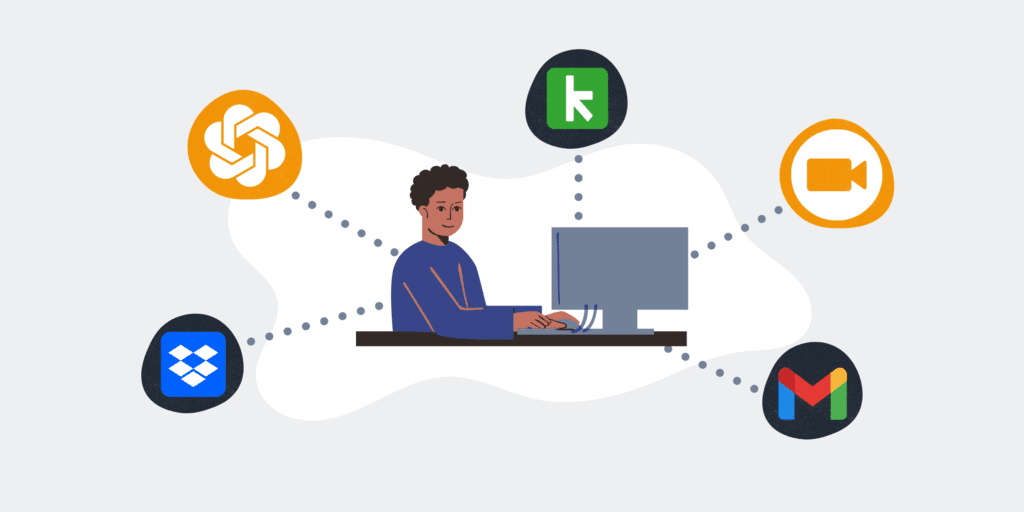
APIs are the digital connectors that allow different software applications to communicate and exchange data. In the realm of candidate experience, they transform a series of disconnected touchpoints into a fluid, intelligent journey. By leveraging APIs, organizations can build bespoke, personalized experiences that respond dynamically to a candidate’s progress and unique interactions.
From Application to Onboarding: A Seamless Flow
Imagine a candidate applying for a position. With robust API integration, their application data immediately populates their profile in your CRM or ATS, triggers an automated confirmation email, and perhaps even schedules an initial screening call based on their availability and interviewer calendars. If they progress, their assessment results can automatically update their profile, flagging key strengths for the hiring manager. Upon offer acceptance, all necessary onboarding documents are pre-filled and sent via an e-signature tool, with access granted to internal systems—all without a single manual data entry point from the HR team. This isn’t futuristic; it’s achievable today with strategic automation.
Personalization at Scale: Beyond Generic Emails
Generic, template-driven communications are a significant turn-off for modern candidates. APIs empower personalization at scale. By connecting your ATS with marketing automation platforms, you can segment candidates based on their stage in the pipeline, skills, past interactions, or even the specific role they applied for. This allows for highly relevant communications, such as sending tailored content about the company culture, sharing insights from team members relevant to their expertise, or providing proactive updates on their application status. This level of personalized engagement makes candidates feel valued and informed, significantly improving their perception of your organization.
Proactive Communication and Feedback Loops
One of the biggest frustrations for candidates is the “black hole” experience after submitting an application. APIs can eliminate this by enabling automated, real-time updates. A candidate’s status changes in the ATS could automatically trigger an email or even an SMS notification. Furthermore, integrating feedback tools via APIs allows for instant collection of candidate impressions at various stages, providing invaluable data for continuous improvement of the recruitment process. This proactive, transparent approach fosters trust and builds a positive employer brand.
Overcoming the Integration Hurdle: The Strategic Approach
While the benefits are clear, many organizations find the prospect of extensive API integration daunting. The challenge often lies not in the technical feasibility, but in the strategic foresight required to design a truly interconnected system. It’s not about point-to-point connections, but about creating an “OpsMesh”—a holistic framework where all critical HR and recruiting technologies communicate intelligently and securely. This requires a deep understanding of business processes, data flows, and the long-term vision for scalability.
At 4Spot Consulting, we approach integration from an outcome-driven perspective. We don’t just build connections; we architect solutions that eliminate human error, reduce operational costs, and significantly enhance the candidate experience by making technology work harmoniously. This often involves leveraging powerful low-code automation platforms like Make.com to bridge the gaps between existing systems, ensuring data integrity and enabling complex, personalized workflows without needing to rip and replace existing investments.
The Future is Connected: Why APIs are Non-Negotiable
As HR technology continues to evolve, the ability to seamlessly integrate disparate systems via APIs will become less of an advantage and more of a fundamental requirement. Companies that embrace this integrated approach will not only attract and retain better talent but also gain significant operational efficiencies. By automating repetitive tasks and ensuring a single source of truth for candidate data, HR teams can shift their focus from administrative burdens to strategic talent acquisition and engagement.
Ultimately, a superior candidate experience powered by robust API integration translates directly into business results: higher offer acceptance rates, reduced time-to-hire, lower recruitment costs, and a stronger employer brand. It’s an investment in both your talent pipeline and your organization’s future scalability, enabling you to save valuable time and resources, which can often amount to 25% of your day for high-value employees.
If you would like to read more, we recommend this article: Keap & HighLevel Data Backup for HR & Recruiting: Mitigating API Risks & Ensuring Business Continuity


RELATED POST