From Manual to Automated: Migrating HR Processes to Make.com Webhooks
In the rapidly evolving landscape of modern business, the HR department, often the backbone of any successful organization, frequently finds itself grappling with a paradox: critical to growth, yet often burdened by manual, repetitive tasks. This isn’t just about inefficiency; it’s about a strategic bottleneck that limits scalability, introduces human error, and diverts high-value HR professionals from truly impactful work. At 4Spot Consulting, we understand this challenge intimately, and we’ve seen how a strategic migration from manual HR processes to automated systems, powered by platforms like Make.com and intelligent webhooks, can fundamentally transform an organization’s operational efficiency and strategic capability.
The journey from manual to automated isn’t merely about adopting new software; it’s about a paradigm shift in how an organization approaches its most critical internal functions. Think about the countless hours spent on candidate screening, onboarding paperwork, performance review reminders, or even simple data entry across disparate systems. Each of these manual touchpoints represents a drain on resources and a potential point of failure. The traditional approach of relying on individuals to manually move data or trigger actions between applications simply doesn’t scale in today’s dynamic business environment.
The Imperative for HR Automation: Beyond Efficiency Gains
While efficiency gains are often the most immediate and visible benefit of HR automation, the true imperative runs deeper. For high-growth B2B companies, particularly those generating $5M+ ARR, the ability to scale without proportionally scaling operational overhead is paramount. Manual HR processes are inherently resistant to this principle. Every new hire, every new policy, every shift in compliance adds another layer of manual complexity. Automation, specifically through intelligent webhooks on platforms like Make.com, offers a pathway to decouple growth from manual effort.
Our experience, refined over decades of working with organizations from startups to Fortune 500s, consistently demonstrates that automating HR isn’t just about saving time – it’s about strategic empowerment. It frees up HR leaders to focus on talent strategy, employee development, and fostering a positive company culture, rather than being bogged down in administrative minutiae. It reduces the risk of compliance errors inherent in manual data handling and ensures a consistent, high-quality experience for employees from their first interaction as a candidate through their entire tenure.
Webhooks: The Nervous System of Modern HR Automation
At the heart of this transformation lies the power of webhooks. Unlike traditional API polling, where systems constantly check for updates, webhooks operate on an event-driven model. When something happens in one system – say, a candidate applies in your ATS, or an employee signs a document in PandaDoc – that system immediately “notifies” another via a webhook. This real-time communication is the nervous system of truly agile and responsive HR automation.
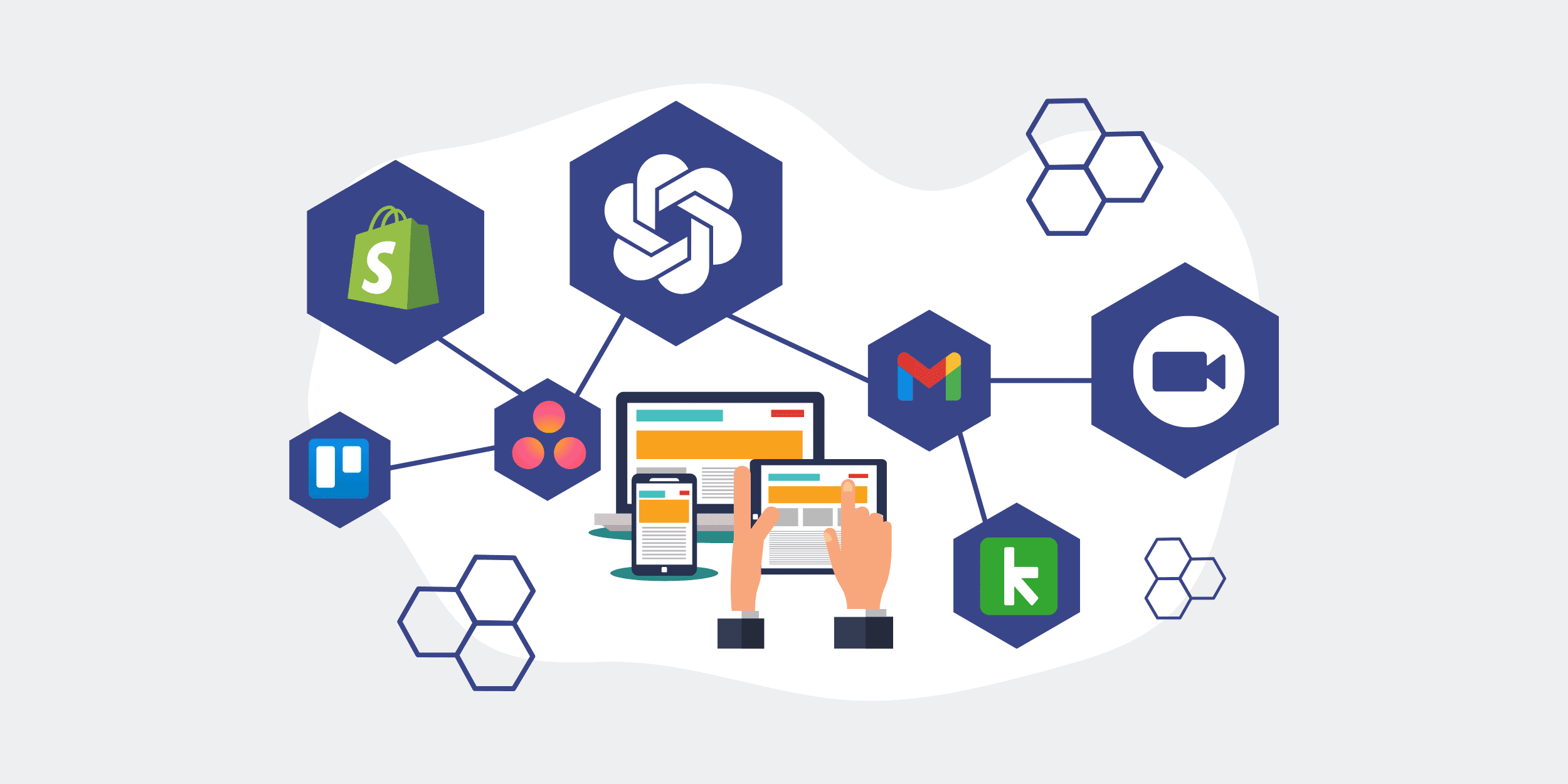
Make.com excels at orchestrating these webhook-driven workflows. It acts as the central hub, connecting dozens of disparate SaaS systems that HR departments rely on daily – from Applicant Tracking Systems (ATS) and Human Resources Information Systems (HRIS) to CRMs like Keap, document management tools, and communication platforms. Instead of manual data entry or clunky CSV exports, Make.com listens for webhook events and then intelligently routes data, triggers actions, and updates records across your entire HR tech stack, all without human intervention.
Consider the onboarding process. A new hire accepts an offer, triggering a webhook from your ATS. Make.com intercepts this, then automatically: creates a new employee record in your HRIS, initiates document signing workflows in PandaDoc, sets up their email and access permissions, and sends a welcome notification to their manager. What once took hours or even days across multiple departments can now be accomplished in minutes, consistently and without error. This is not just automation; it’s architecting a Single Source of Truth for your HR data.
Charting Your Course with 4Spot Consulting: From Strategy to Scale
Migrating HR processes to Make.com webhooks isn’t a one-size-fits-all endeavor. It requires a strategic-first approach that begins with a deep understanding of your current operational bottlenecks and your desired business outcomes. This is where 4Spot Consulting’s OpsMap™ comes into play – a strategic audit designed to uncover inefficiencies, surface opportunities for automation, and roadmap profitable, ROI-focused solutions. We don’t just build; we plan before we build.
Our OpsBuild™ framework then translates this strategy into robust, scalable automation and AI systems. We leverage Make.com’s flexibility to connect your HR systems, ensuring data flows seamlessly and securely. Our expertise lies not just in technical implementation, but in understanding the nuanced requirements of HR processes to design solutions that genuinely save you 25% of your day, eliminate human error, and significantly reduce operational costs. We’ve helped clients save hundreds of hours monthly in resume processing alone, turning manual drudgery into automated precision.
The transition to automated HR via Make.com webhooks is a strategic investment in your organization’s future. It’s about moving beyond reactive administrative tasks to proactive, data-driven HR leadership. If your HR team is still wrestling with manual processes, it’s time to explore how intelligent automation can unlock unprecedented levels of efficiency, accuracy, and strategic impact. We invite you to discover how a well-designed automation strategy can transform your HR operations from a cost center into a powerful engine for growth and employee satisfaction.
If you would like to read more, we recommend this article: Webhook vs. Mailhook: Architecting Intelligent HR & Recruiting Automation on Make.com