Post: Case Study: Nick’s Recruiting Team Reclaims 150 Hours Per Month
Nick’s 3-person recruiting team at a small firm deployed an AI resume parser and reclaimed 150 hours per month across the team — 50 hours per recruiter. The case covers the architecture, the training, and the audit pattern that made the savings durable.
Starting condition
Before deployment, Nick’s team processed 800 to 1,200 resumes per week across 15 open requisitions. Each recruiter spent 18 to 20 hours per week on initial screening alone. The team owned no parser, no taxonomy, and no structured audit log. The AI Resume Parsing for High-Volume Hiring — Complete 2026 Guide expands the architecture context Nick adopted.
The deployment plan
The deployment ran 12 weeks. Weeks 1 through 4 — vendor proof-of-value with the 9-signal checklist. Weeks 5 through 8 — taxonomy build (500 entries) and ATS write-back testing. Weeks 9 through 10 — recruiter training (the 4-session plan). Weeks 11 through 12 — practice and certification. The tailored training adoption guide covers the training plan Nick’s team ran.
The architecture
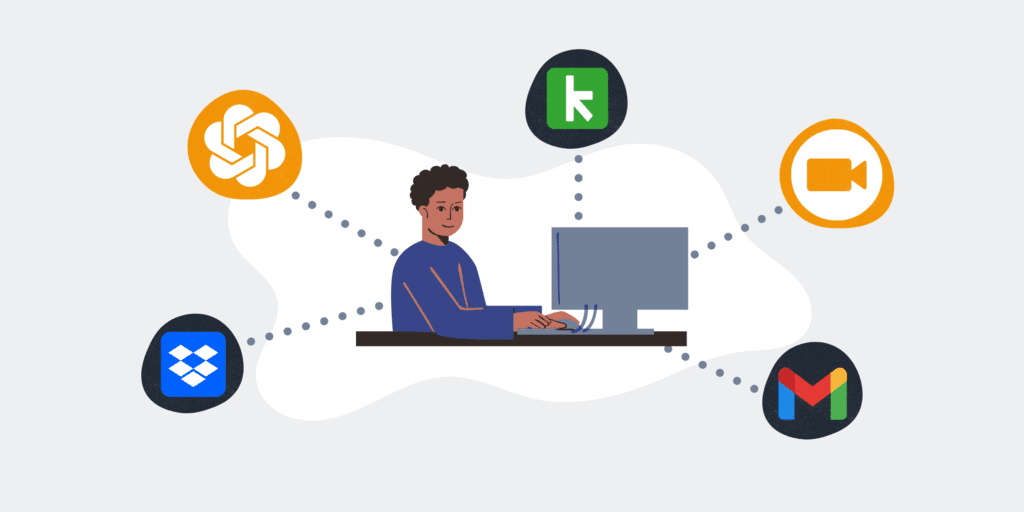
The stack used AWS Textract for OCR, an off-the-shelf NER service tuned for recruiting, a custom 500-entry taxonomy mapped to ESCO, rule-based scoring, and Make.com as the orchestration layer. The ATS was Greenhouse; the write-back ran via a single Make.com scenario. The Make.com HR hyper-automation guide covers the orchestration pattern.
What changed in week 13
Each recruiter dropped from 18 to 20 hours of screening per week to 5 to 6 hours. The reclaimed 15 hours per recruiter per week landed against requisition outreach, candidate experience improvements, and intake meeting prep. The 150 hours per month aggregated across the 3-person team. The Make.com HR reporting guide covers the dashboard Nick used to track the savings.
The audit pattern
Nick’s team runs the quarterly bias audit on the first Monday of the quarter. The first audit (Q2 deployment year) flagged a 12 percent disparity on one role family; the taxonomy added 8 entries and the disparity closed in Q3. The audit is now part of the operating rhythm, not a separate initiative.
Expert Take — small teams capture the largest per-recruiter gain
The TalentEdge engagement at the mid-market scale captured $312K in year one and 207% ROI. Nick’s small-firm deployment did not produce a comparable dollar headline, but the per-recruiter time savings were higher — 50 hours per month per recruiter versus the 30 to 35 hours typical for mid-market teams. Small teams are over-burdened by manual screening; the AI parser produces a larger relative shift. The math favors small recruiting teams deploying parsers as much as it favors large ones.
FAQ
How much did the deployment cost Nick’s firm?
The deployment costs are excluded from this case write-up. The relevant number is the 150 hours per month reclaimed, which translates to recruiter capacity reinvested in higher-value work.
What went wrong during the deployment?
The taxonomy v1 was too narrow — 350 entries instead of the 500 the team eventually needed. The Q1 expansion to 500 closed the gap. The recovery took 4 weeks.
How does Nick’s team handle parser-rejected candidates?
Every rejected candidate runs through a 90-second recruiter review with override capability. The override rate sits at 8 percent. The ATS-HRIS-payroll integration guide covers the downstream integration pattern.


RELATED POST