
Post: Keap Selective Restore Risks: Breaking Connected Apps
Keap Integration Challenges: How Selective Restore Impacts Connected Apps
In today’s fast-paced business environment, the integrity and continuity of your data are paramount. For many high-growth B2B companies, Keap serves as a central nervous system, connecting sales, marketing, and customer service operations. But what happens when that system faces a disruption, and the path to recovery leads you down the seemingly efficient, yet perilous, route of a “selective restore”? The implications for your interconnected applications can be far more complex and damaging than often anticipated.
The Interconnected Web of Keap Integrations
Few businesses operate with Keap in isolation. In fact, its power is often amplified by its integration with a myriad of other critical business tools. Think about your HR systems, recruiting platforms, project management software, accounting packages, and even your telephony solutions. Tools like Make.com, a platform we frequently leverage at 4Spot Consulting, enable a sophisticated dance between Keap and these dozens of other SaaS systems, automating workflows, transferring data, and ensuring a seamless operational flow.
Every automated sequence, every triggered email, every contact update across your ecosystem relies on a precise understanding of data and its relationships. A new lead in Keap might trigger an internal notification in Slack, create a task in Asana, and initiate a personalized email sequence through another marketing tool. This intricate web is designed to eliminate human error, reduce operational costs, and increase scalability, directly impacting your bottom line and freeing up your high-value employees from low-value work.
The Double-Edged Sword of Data Restoration
The need for data backup and recovery is undisputed. Accidents happen, data can be corrupted, and human error is an ever-present risk. When faced with a data incident in Keap, the immediate instinct might be to restore only the affected contacts or fields – a “selective restore.” On the surface, this approach appears logical and resource-efficient: why restore everything when only a small portion is compromised?
However, this perceived efficiency can mask a deeper, more insidious problem. While selective restoration might fix the immediate symptom within Keap, it can inadvertently wreak havoc on the entire network of connected applications. The true cost isn’t just the time spent identifying and rectifying the original error, but the cascading failures, data inconsistencies, and operational bottlenecks that emerge across your entire tech stack.
Unforeseen Ripple Effects of a Partial Restore
When you selectively restore data in Keap, you’re essentially reintroducing a piece of the past into a present-day system that has continued to evolve. The consequences can be significant:
- Missing or Mismatched Data Fields: A partial restore might bring back a contact’s name and email, but omit crucial custom fields that are essential for connected HR or recruiting applications. Imagine an applicant’s Keap record being restored without the `Application ID` field that links to their profile in your ATS. Workflows break, and critical information is lost, requiring laborious manual intervention to reconcile.
- Workflow Breakage and Incorrect Triggers: Automated sequences often rely on specific data states or field values within Keap. A selective restore could reintroduce an “old” status for a contact, causing them to re-enter a workflow they’ve already completed, or worse, miss critical follow-ups because the system believes they are still in an earlier stage. This isn’t just inefficient; it can lead to missed opportunities and a degraded customer experience.
- Duplication and Data Inconsistencies: A restored record might conflict with a newer version of that contact in an integrated marketing automation tool or a support ticketing system. This can lead to duplicate records, fragmented customer views, and a ‘single source of truth’ becoming a ‘single source of confusion.’
- Compliance and Reporting Issues: In industries like HR and recruiting, data accuracy is not just an operational necessity but a compliance mandate. Incomplete or inconsistent data resulting from a partial restore can lead to inaccurate reporting, making it difficult to demonstrate compliance or derive reliable business intelligence.
Beyond Reactive Fixes: A Proactive Strategy for Data Integrity
The solution isn’t to fear data restoration, but to approach it strategically. At 4Spot Consulting, we advocate for a holistic view of your data and its lifecycle. Before any restore operation, it’s crucial to understand the intricate dependencies between Keap and your other systems.
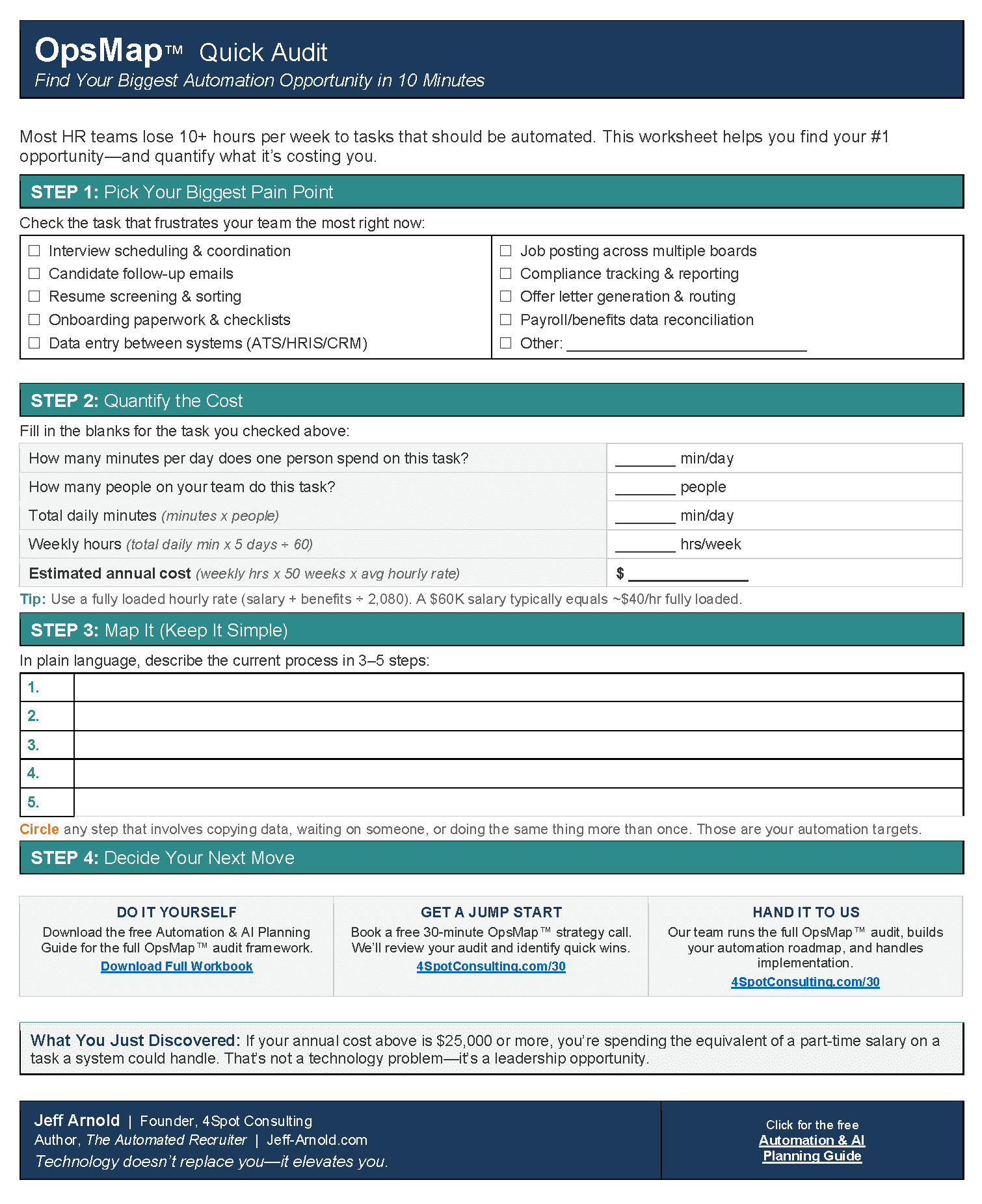
Our OpsMap™ strategic audit is designed precisely for this: to uncover inefficiencies, surface integration opportunities, and roadmap profitable automations that account for data integrity and resilience. We don’t just build; we plan. This involves mapping out how data flows, what fields are critical, and how changes in one system will impact another. Building a truly resilient Keap ecosystem means ensuring that your data backup and recovery strategy is as integrated and thoughtful as your operational automations.
Safeguarding Your Operations with a Holistic Approach
Protecting your business from the ripple effects of a selective restore requires more than just good intentions. It demands:
- Comprehensive Backup Strategies: While selective restore tools have their place, relying solely on them for critical systems is a risk. Regular, full backups, coupled with a clear understanding of your restore points, provide a stronger safety net.
- Robust Integration Architecture: Designing integrations with resilience in mind, acknowledging potential data loss or discrepancies, is crucial. This is where expertise in platforms like Make.com, and an understanding of API limits and data synchronization methods, becomes invaluable.
- Expert Consultation: Before any restore, consult with integration specialists who understand the full scope of your connected applications. A quick fix can often lead to a much larger problem down the line. We help you design systems where your Keap data truly acts as a reliable single source of truth across your entire business.
The lesson is clear: a selective restore in Keap, without a comprehensive understanding of its integration landscape, is akin to repairing one plank on a bridge without checking if the repair will compromise the entire structure. For businesses seeking to automate operations, eliminate human error, and scale efficiently, safeguarding your data’s integrity across all connected apps is not an option—it’s a strategic imperative.
If you would like to read more, we recommend this article: Keap Selective Contact Field Restore: Essential Data Protection for HR & Recruiting



RELATED POST