Post: Stop Keap Data Duplication with Real-Time Alerts
Setting Up Alerts for New Keap Duplicate Entries: Stay Ahead of the Mess
The silent killer of efficiency and profitability in many high-growth B2B companies isn’t always a market downturn or a talent shortage; often, it’s something far more insidious and preventable: data duplication. Within a CRM like Keap, duplicate entries don’t just represent redundant information; they are anchors dragging down your sales, marketing, and operational teams. Each duplicate can lead to wasted ad spend, inaccurate reporting, embarrassing client interactions, and a significant drain on valuable employee time spent on manual cleanup. At 4Spot Consulting, we’ve seen firsthand how crucial it is to move beyond reactive data management to a proactive stance, ensuring your Keap environment remains a clean, reliable single source of truth. The key to this proactive approach? Setting up intelligent alerts for new duplicate entries.
The Hidden Costs of Data Duplication in Keap
The impact of duplicate data extends far beyond a cluttered database. Consider an HR or recruiting firm: a duplicate candidate profile could mean multiple recruiters contacting the same individual, leading to confusion, a poor candidate experience, and a perception of disorganization. For client-facing teams, sending the same marketing email twice to a prospect or customer, or having two sales reps unknowingly pursue the same lead, can damage credibility and waste precious resources. These inefficiencies directly translate to financial losses, whether through ineffective marketing campaigns, higher operational costs due to manual reconciliation, or lost sales opportunities from mismanaged leads. The longer duplicates persist, the more entrenched they become, making the cleanup process exponentially more difficult and expensive.
Beyond Manual Cleanup: Why Proactive Alerts Are Essential
Many organizations operate under the assumption that occasional data audits and manual deduplication efforts are sufficient. However, this reactive strategy is akin to bailing water out of a leaky boat without patching the hole. New duplicates are constantly being introduced through various channels—website forms, manual entry errors, system integrations, or even bulk imports. Relying on periodic cleanups means you’re always playing catch-up, allowing the problem to grow and fester between audits. The real solution lies in catching these duplicates at or near the point of entry. Proactive alerts serve as an early warning system, allowing teams to address new duplicates immediately, before they can propagate across your systems and impact your operations. This shift from reactive to proactive is a cornerstone of an efficient, scalable business.
Crafting Your Keap Duplicate Alert System
Implementing an effective duplicate alert system in Keap requires a strategic approach, not just a tactical fix. It involves understanding your data, leveraging the right automation tools, and designing a clear response protocol.
Identifying What Constitutes a Duplicate
The first step is to define what a “duplicate” means for *your* business. Is it simply the same email address? Or does it extend to matching phone numbers, or combinations of first name, last name, and company? For an HR firm, a candidate might be duplicated by a different email or phone number but with the same name and employer. These criteria must be clearly established and consistently applied across your system. A robust alert system needs to be intelligent enough to assess these varying definitions and flag potential matches based on your specific rules.
The Role of Automation Platforms (e.g., Make.com)
While Keap offers some internal deduplication features, for advanced, real-time alerting that integrates across various touchpoints, a low-code automation platform like Make.com becomes invaluable. Make.com can continuously monitor Keap for new contact or company entries. When a new record is created or updated, Make.com can be configured to perform a quick search within Keap (or even connected systems) based on your defined duplicate criteria. For instance, it can search for existing contacts with the same email, phone number, or a similar combination of identifiers. If a match is found, conditional logic within Make.com triggers the next step: the alert. This powerful intermediary allows for highly customized and intelligent monitoring that Keap’s native features might not fully support.
Designing Effective Alert Mechanisms
An alert is only useful if it reaches the right person, in the right way, at the right time, with actionable information. Consider who needs to know about a potential duplicate: is it the data administrator, the sales rep responsible for the account, or the hiring manager? The alert itself can take many forms: an email notification to a specific team, a message in a dedicated Slack channel, the creation of a task within a project management tool, or even an internal note added to the Keap record itself. The key is to provide enough context – which records are suspected duplicates, what criteria triggered the alert, and direct links to the relevant Keap entries – to allow for quick investigation and resolution. This ensures that the alert is not just a notification, but a prompt for immediate, informed action.
The 4Spot Consulting Approach: Integrating Keap Alerts into an OpsMesh™
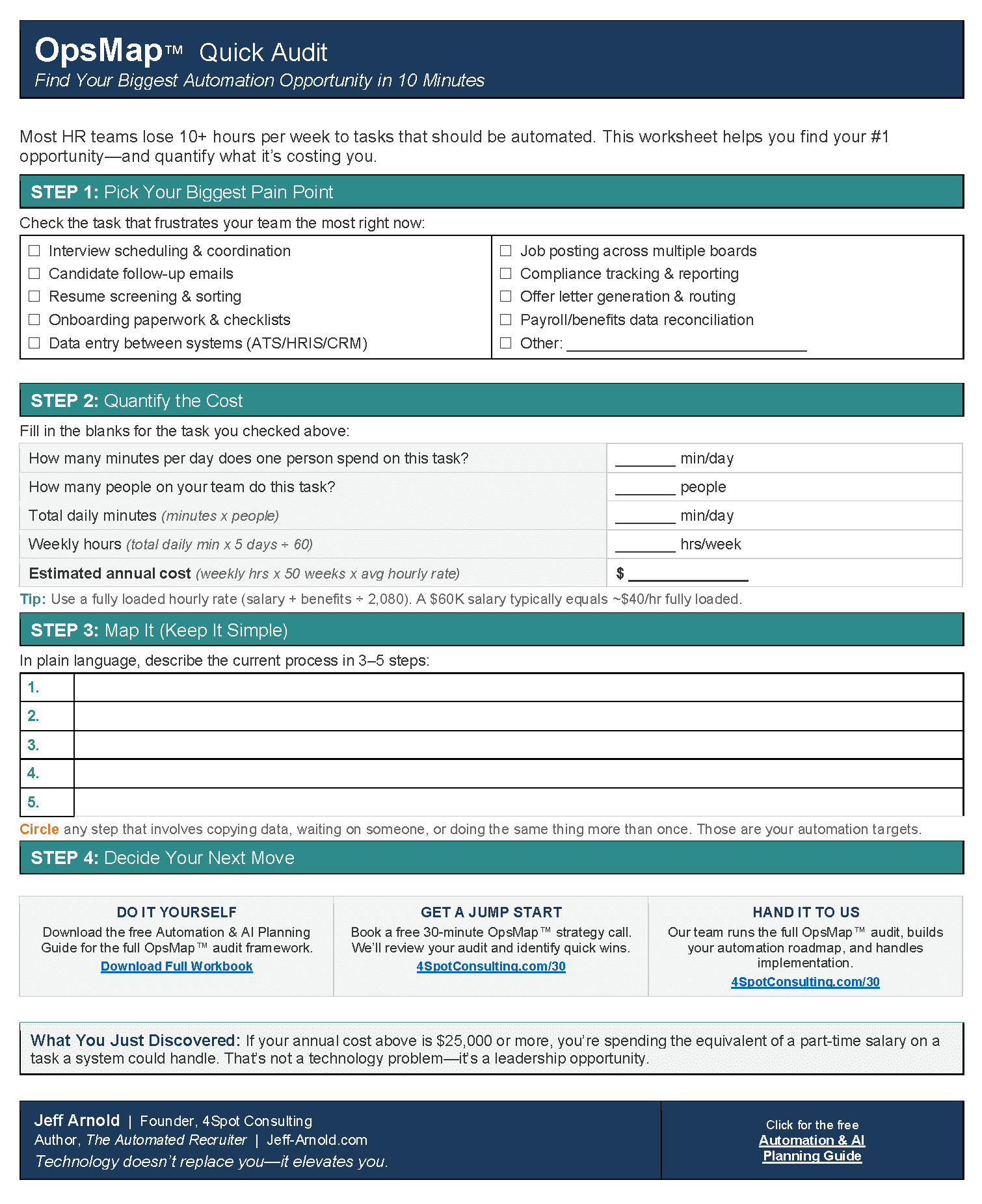
At 4Spot Consulting, we view a Keap duplicate alert system not as a standalone fix, but as an integral component of a larger, interconnected automation ecosystem – what we call an OpsMesh™. Our OpsMap™ diagnostic helps identify these critical data integrity pain points and maps out a comprehensive solution. We then leverage OpsBuild™ to implement sophisticated automation workflows using tools like Make.com, ensuring that your Keap alerts are not only effective but also seamlessly integrated with your broader operational processes. This strategic approach minimizes human error, reduces operational costs, and significantly increases the scalability of your business by providing clean, reliable data that fuels confident decision-making.
Proactive data integrity through intelligent alerting transforms Keap from a static database into a dynamic, reliable command center for your business. By staying ahead of the mess, you empower your teams, protect your brand, and ensure that every action you take is based on the most accurate information available, ultimately driving efficiency and bottom-line growth.
If you would like to read more, we recommend this article: Keap Data Recovery Best Practices: Minimizing Duplicates for HR & Recruiting Firms

RELATED POST