Reporting and Analytics: Turning Alert Data into Actionable Insights
In the fast-paced world of modern business, alerts are a ubiquitous part of our digital ecosystem. From CRM notifications to system health warnings, they constantly vie for our attention. But how often do these pings and pop-ups translate into tangible improvements or strategic shifts? Far too often, they become background noise, a stream of reactive data points that never coalesce into something truly meaningful. At 4Spot Consulting, we see this not as an inevitability, but as a critical missed opportunity to transform raw alert data into the actionable insights that drive significant business growth and efficiency.
The core challenge isn’t a lack of data; it’s the lack of a system to contextualize, analyze, and act upon that data. Many organizations are drowning in information, yet starving for wisdom. An alert that a key integration failed, or that a customer service ticket has been open too long, is valuable in the moment. But when you aggregate that alert data over weeks or months, patterns emerge that can reveal systemic bottlenecks, operational inefficiencies, or even opportunities for proactive customer engagement. This is where reporting and analytics become the bridge from mere notification to strategic advantage.
Beyond Reactive: Establishing a Proactive Alert Intelligence Framework
A truly effective alert strategy moves beyond simply notifying you when something goes wrong. It establishes a framework that collects, categorizes, and analyzes alert data to identify underlying causes and predict future issues. Imagine knowing that your CRM data backups are failing on Tuesdays, or that a specific lead source consistently triggers data validation errors. These aren’t just one-off problems; they’re indicators of structural weaknesses that, if left unaddressed, will compound into significant operational drag and revenue leakage.
We’ve found that companies operating at $5M+ ARR are particularly susceptible to this challenge. As complexity grows, so does the volume of alerts. Without a strategic approach, high-value employees waste precious hours triaging and reacting, diverting their focus from scalable, revenue-generating activities. This is precisely the kind of low-value work that our automation and AI solutions are designed to eliminate, freeing up your team to innovate and grow.
The Architecture of Insight: Aggregation and Visualization
The first step in transforming alert data is robust aggregation. Alerts from disparate systems—Keap CRM, HighLevel, project management tools, HR platforms, custom applications—need to flow into a central repository. This isn’t just about dumping data; it’s about structuring it in a way that allows for meaningful analysis. Tools like Make.com are instrumental here, acting as the connective tissue that brings all these data streams together, normalizes them, and prepares them for the next stage: visualization.
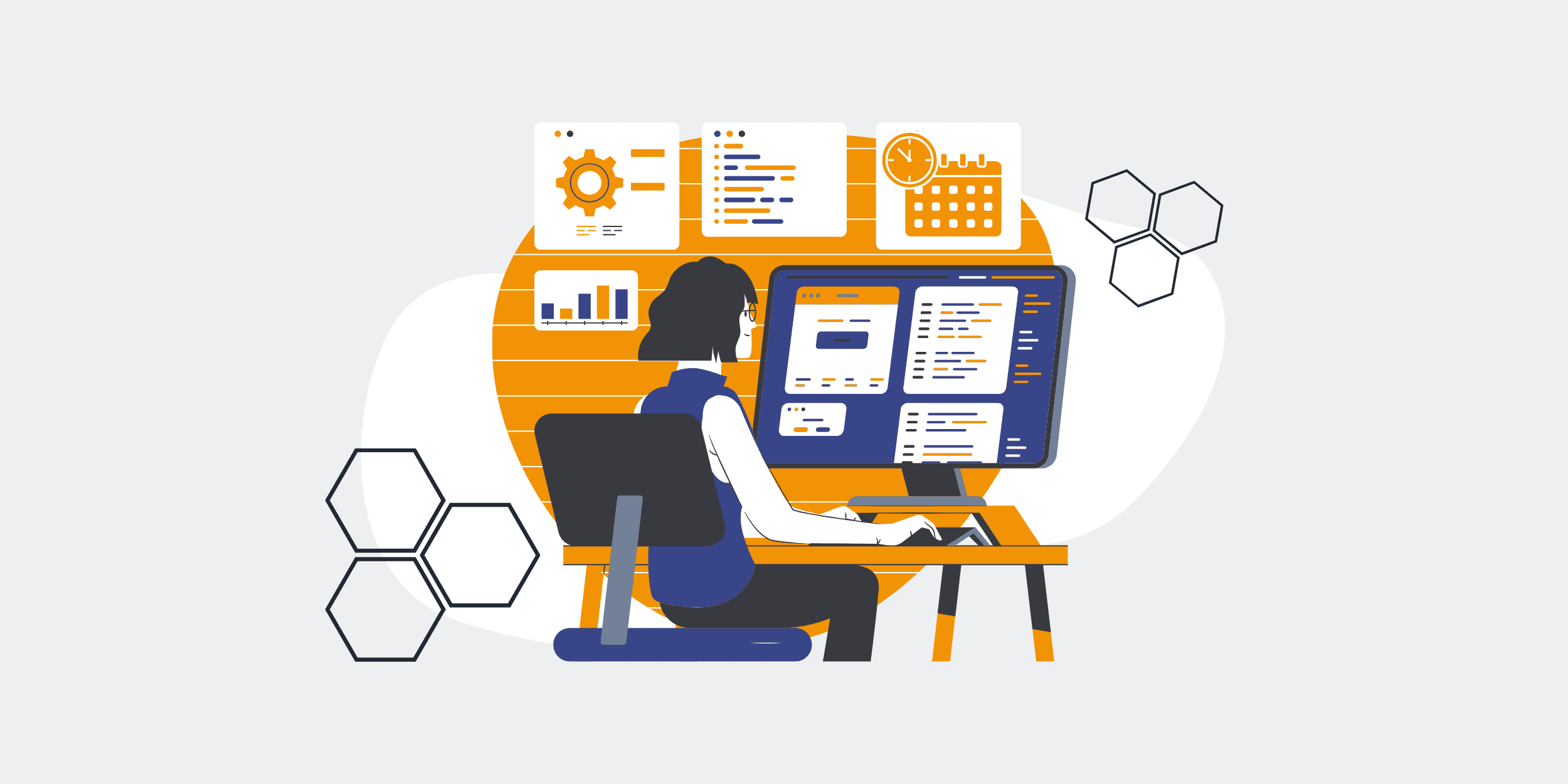
Visualization is where the magic happens. Turning rows of alert logs into dynamic dashboards, trend graphs, and heat maps makes patterns immediately apparent. A sudden spike in failed API calls, a gradual increase in abandoned cart notifications, or consistent delays in onboarding process steps—these become visible narratives rather than hidden statistics. This empowers business leaders, COOs, and HR directors to quickly grasp the health of their operations and pinpoint areas requiring immediate attention or strategic overhaul. Our OpsMap™ diagnostic often uncovers these exact blind spots, revealing where automation can turn overwhelming data into clear, actionable intelligence.
From Data Points to Decision Points: Crafting Actionable Strategies
Once you have a clear view of your alert landscape, the objective shifts from merely understanding to actively responding and optimizing. This means moving beyond manual fixes for individual alerts and instead, designing automated workflows that address the root causes identified through your analysis. For instance, if reporting shows a recurring issue with incomplete client data in Keap, an automated workflow can be designed using Make.com to proactively flag incomplete entries, trigger follow-up tasks, or even enrich data from external sources.
This strategic application of alert analytics can lead to profound impacts. We’ve seen clients achieve significant reductions in operational costs, improve data integrity, and drastically increase the speed and accuracy of their business processes. For example, an HR tech client, bogged down by manual resume parsing and CRM entry, saved over 150 hours per month by automating their intake process using Make.com and AI enrichment, syncing directly into Keap. The alerts about data discrepancies or processing delays became signals for system refinement, not just isolated problems. This approach—strategic-first, ROI-driven, and centered on eliminating human error—is the hallmark of 4Spot Consulting.
In essence, reporting and analytics provide the intelligence layer for your automated alert systems. They tell you not just what happened, but why, and more importantly, what you can do about it to save 25% of your day. By leveraging these insights, businesses can transition from a reactive posture to a proactive, predictive one, safeguarding business continuity and fueling scalable growth.
If you would like to read more, we recommend this article: Automated Alerts: Your Keap & High Level CRM’s Shield for Business Continuity