Post: Master Keap CRM Automation: 12 Strategic Ways to Scale
12 Strategic Ways to Leverage Keap CRM for Maximum Business Impact
In today’s fast-paced business environment, a CRM isn’t just a database; it’s the central nervous system of your customer operations. For many growing B2B companies, Keap (formerly Infusionsoft) stands out as a powerful platform, but merely having it installed isn’t enough. The true magic happens when you move beyond basic contact management and strategically embed Keap into the very fabric of your business processes. At 4Spot Consulting, we’ve seen countless organizations underutilize this robust tool, leaving significant ROI on the table. Many struggle with integrating it seamlessly, automating critical workflows, or simply understanding its full potential to drive revenue and dramatically reduce operational drag. This isn’t about chasing the latest tech fad; it’s about intelligent application that saves you 25% of your day by eliminating human error, reducing costs, and boosting scalability. We’ve built entire systems around Keap, using its inherent strengths and augmenting them with powerful low-code automation, to turn it into a revenue-generating, time-saving machine.
Our experience, honed over 35 years of leadership from startups to Fortune 500s, has shown us that optimizing Keap is less about its features and more about a strategic framework for implementation. This listicle isn’t just a collection of tips; it’s a roadmap drawing from our OpsMesh framework, designed to help HR leaders, COOs, and founders unlock the deep capabilities within Keap. We’ll explore practical, actionable strategies that integrate automation and AI to transform your sales, marketing, and customer service operations, turning Keap into your most valuable asset. Each point is designed to provide real-world examples and deliver ROI-focused insight, helping you harness Keap to hire faster, engage smarter, and scale more profitably.
1. Implement a Strategic CRM Setup and Customization Aligned with Business Goals
Many businesses treat CRM setup as a one-and-done task, ticking boxes without truly aligning the system with their unique operational flows and strategic objectives. A truly impactful Keap implementation begins with an OpsMap™-level audit, dissecting your existing sales, marketing, and service processes. This involves identifying key touchpoints, data requirements, and desired outcomes. For instance, instead of just using standard contact fields, we custom-build fields and tags that reflect specific stages in your sales pipeline, industry-specific client attributes, or even internal operational statuses. This level of customization ensures that Keap isn’t just storing data; it’s organizing it in a way that directly supports your team’s workflow, automates handoffs between departments, and provides meaningful insights. Think about segmenting clients by product interest, geographic region, or their engagement level with your content. Properly customized fields allow for dynamic reporting and trigger highly personalized automations, transforming Keap into a predictive tool rather than a reactive database. We’ve seen clients save hundreds of hours annually by tailoring Keap to mirror their actual business, rather than forcing their business to conform to a generic CRM template.
2. Deploy Advanced Automated Lead Nurturing Workflows
The days of generic email blasts are over. Keap’s automation capabilities, when properly configured, allow for highly sophisticated and personalized lead nurturing sequences. This goes beyond a simple welcome series. Consider designing campaigns that adapt based on a lead’s behavior: what emails they open, what links they click, and even what pages they visit on your website. For example, if a prospect downloads a whitepaper on AI in HR, Keap can automatically enroll them in a follow-up sequence that provides more specific case studies, invites them to relevant webinars, and even assigns a task to a sales rep to reach out with tailored information. Leveraging Keap’s campaign builder, you can map out complex “if-then” scenarios that ensure every lead receives relevant, timely communication. This not only builds trust and demonstrates expertise but also significantly warms leads before they ever reach a sales representative, making the sales cycle more efficient and increasing conversion rates. This kind of intelligent nurturing, often powered by our OpsBuild processes, eliminates the need for manual follow-ups, freeing up your high-value employees for more strategic tasks.
3. Leverage Advanced Segmentation for Hyper-Targeted Marketing Campaigns
Keap excels at allowing granular segmentation of your contact database, but many users only scratch the surface. Moving beyond basic tags, strategic segmentation involves using a combination of custom fields, lead scores, purchase history, and engagement data to create highly specific audience groups. Imagine segmenting your Keap contacts not just by “prospect” or “customer,” but by “prospect interested in AI recruiting automation, attended last webinar, decision-maker role, high lead score.” This level of detail enables the creation of marketing campaigns that resonate deeply because they address specific needs and pain points. For instance, you could run a targeted email campaign exclusively for clients who purchased a particular service two years ago, offering an upgrade or a complementary solution. This precision marketing drastically improves open rates, click-through rates, and ultimately, conversion rates, proving a much higher ROI for your marketing spend. It’s about ensuring the right message reaches the right person at the right time, making every interaction more effective and valuable.
4. Integrate Keap with External Systems for Enhanced Functionality via Make.com
While powerful, Keap isn’t designed to be an island. Its true strength is unlocked when integrated with other essential business applications. This is where tools like Make.com (formerly Integromat) become indispensable. At 4Spot Consulting, we use Make.com as a core component of our OpsMesh framework to create seamless data flows between Keap and dozens of other SaaS systems – from project management tools like Asana, to HR platforms, document generators like PandaDoc, and even custom internal databases. For example, when a new lead fills out a form on your website, Make.com can not only push that data into Keap but also create a new client folder in Google Drive, add them to a sales pipeline in another CRM, or trigger a custom Slack notification for your team. This eliminates manual data entry, reduces human error, and ensures that all your systems are working in concert, maintaining a “single source of truth” for critical business data. Such integrations can automate complex multi-step processes that span different departments, drastically improving efficiency and data accuracy across your entire organization.
5. Establish Robust Data Management and Hygiene Protocols
A CRM is only as valuable as the data it holds. Poor data quality – duplicate records, incomplete information, outdated contacts – can cripple your marketing efforts, lead to inaccurate reporting, and waste valuable sales team time. Implementing robust data management and hygiene protocols within Keap is non-negotiable for maximizing its impact. This involves regular audits of your Keap database, setting up automated de-duplication rules, and establishing clear guidelines for data entry across your team. Utilize Keap’s built-in tools for identifying and merging duplicates, but also consider external services or custom Make.com scenarios to cross-reference data with other systems. For instance, you might use an automation to regularly check for invalid email addresses or update contact information from a verified source. Clean data ensures that your automations fire correctly, your segments are accurate, and your team is always working with the most reliable information. It’s a foundational element of any effective automation strategy, preventing costly mistakes and ensuring the integrity of your customer relationships.
6. Map and Automate the Personalized Customer Journey
Understanding and automating the entire customer journey, from initial awareness to loyal advocacy, is critical for sustained growth. Keap provides the perfect platform for mapping out these journeys and then automating the touchpoints within each stage. Start by visually outlining your ideal customer’s path, identifying all interactions they have with your brand. Then, use Keap’s campaign builder to create automated sequences that guide them through each stage. This could include automated welcome emails post-purchase, check-in calls scheduled at key milestones, personalized product recommendations based on past purchases, or even automated requests for testimonials at the right moment. The goal is to ensure a consistent, personalized experience at scale. By proactively automating these touchpoints, you build stronger customer relationships, reduce churn, and increase lifetime value. This framework allows you to deliver a premium customer experience without requiring constant manual intervention, a cornerstone of 4Spot Consulting’s approach to scalable operations.
7. Optimize Sales Pipeline Automation and Forecasting
For sales teams, Keap can be much more than a contact manager; it’s a powerful sales acceleration tool. Optimizing your sales pipeline within Keap involves automating key stages and follow-up tasks to ensure no lead falls through the cracks and your sales team remains focused on high-value activities. This might include automatically moving opportunities through pipeline stages based on specific actions (e.g., proposal sent, demo completed), triggering automated reminders for follow-up calls, or sending personalized resources based on the deal stage. Furthermore, Keap’s reporting capabilities can be customized to provide accurate sales forecasting, allowing you to predict revenue more reliably. By standardizing your sales process within Keap and automating the tedious administrative work, your sales team gains valuable time to focus on building relationships and closing deals. This direct impact on revenue and efficiency is a clear indicator of Keap’s potential when properly configured and integrated into your OpsMesh strategy.
8. Leverage Keap for Post-Sale Customer Success and Retention
The relationship doesn’t end when the sale closes; in fact, that’s often where the most critical work begins. Keap is an invaluable tool for automating post-sale customer success processes, leading to higher retention rates and increased customer lifetime value. Consider setting up automations for client onboarding sequences, delivering essential resources, scheduling welcome calls, and providing training materials. Beyond onboarding, Keap can track customer usage patterns, identify at-risk clients based on activity levels, and trigger proactive outreach campaigns. For example, if a client hasn’t logged into their portal in 30 days, Keap could send a personalized email offering assistance or tips. You can also automate the collection of feedback through surveys, manage support tickets (if integrated with a helpdesk system via Make.com), and even prompt for renewals or upsells at opportune moments. This continuous engagement ensures clients feel supported and valued, transforming them into loyal advocates and reducing the significant cost associated with acquiring new customers.
9. Extract Actionable Insights Through Robust Reporting and Analytics
Keap offers a wealth of data, but without proper reporting and analysis, it’s just numbers. Strategic use of Keap involves configuring custom reports and dashboards that provide clear, actionable insights into your marketing, sales, and service performance. This goes beyond default reports; it’s about tailoring reports to answer specific business questions: Which lead sources are most profitable? What is the average sales cycle length for different product lines? Which automation campaigns have the highest conversion rates? By regularly reviewing these customized reports, leaders can make data-driven decisions about resource allocation, campaign optimization, and strategic planning. We often integrate Keap data with external business intelligence tools via Make.com to create more comprehensive dashboards, giving our clients a holistic view of their operations. This allows for continuous improvement and ensures that Keap is not just tracking activities but actively informing your business strategy, providing the intelligence needed to scale profitably.
10. Implementing AI for Enhanced Keap Efficiency and Personalization
The integration of AI takes Keap’s capabilities to an entirely new level, pushing the boundaries of efficiency and personalization. While Keap has its own AI features, leveraging external AI tools via Make.com allows for unparalleled customization. Imagine using AI to score leads based on their likelihood to convert, analyzing email responses to determine sentiment and prioritize follow-ups, or even dynamically generating personalized content snippets for your Keap campaigns. For example, using AI-powered natural language processing, we can extract key information from unstructured data (like resume text or customer service notes) and populate custom fields in Keap, ensuring richer, more actionable profiles. Tools like Unipile can consolidate communication, and Bland AI can power intelligent voice interactions, all feeding data back into Keap. This isn’t about replacing human intuition but augmenting it, providing sales and marketing teams with AI-driven insights and automations that reduce low-value work and enable them to focus on high-impact interactions, ultimately saving significant time and driving better outcomes.
11. Ensuring Keap Data Security and Implementing Automated Backups
Data is the lifeblood of your business, and securing it within Keap, coupled with robust backup strategies, is paramount. While Keap provides strong access controls, relying solely on a vendor’s native security features is a common pitfall. Our experience highlights the critical need for a comprehensive data protection strategy that extends beyond basic permissions. This includes establishing clear user roles and permissions, regularly auditing access, and, most importantly, implementing automated, independent backups of your Keap data. Think about scenarios like accidental deletions, data corruption, or even malicious insider activity – Keap’s native recovery options may have limitations. Using tools integrated via Make.com, we can automate the daily or weekly export of your critical Keap data (contacts, opportunities, campaign history) to an independent, secure cloud storage solution. This layered approach ensures that even in the event of an unforeseen data loss or system issue, your business-critical information is recoverable, safeguarding your operations and ensuring business continuity. Proactive data protection is not an option; it’s an essential strategic safeguard.
12. Foster Team Proficiency Through Ongoing Training and Adoption
The most sophisticated Keap implementation means nothing if your team isn’t using it effectively. A common challenge is low user adoption, often stemming from inadequate training or a lack of understanding regarding the “why” behind the system. Maximizing your ROI on Keap requires an ongoing commitment to team proficiency. This involves more than just a one-time training session; it requires continuous education, creating clear process documentation, and establishing internal champions who can support their peers. We often recommend creating custom training modules that reflect your specific Keap setup and workflows, rather than relying on generic tutorials. Encourage team members to provide feedback and suggest improvements, fostering a sense of ownership. When employees understand how Keap streamlines their tasks, improves their efficiency, and contributes to overall business success, adoption rates soar. Ultimately, an engaged and proficient team is the biggest differentiator, transforming Keap from a tool into a powerful, collective asset that drives your business forward.
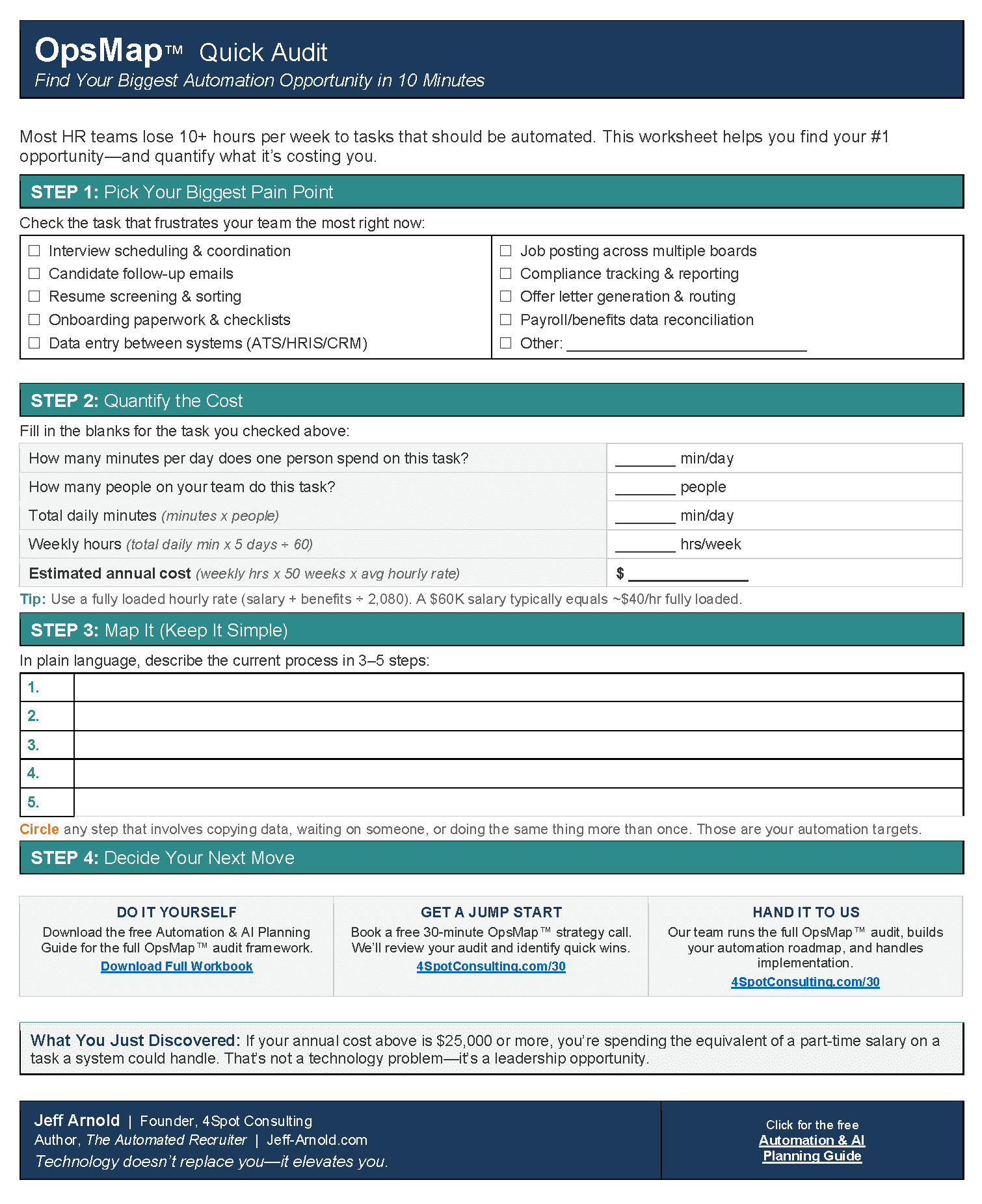
Harnessing Keap’s full potential is not a quick fix; it’s a strategic journey that intertwines thoughtful customization, intelligent automation, robust data management, and continuous team engagement. By implementing these 12 strategies, your business can transcend basic CRM usage, transforming Keap into a dynamic engine for growth, efficiency, and unparalleled customer experiences. The path to saving 25% of your day and scaling your operations effectively lies in these practical, ROI-focused applications. At 4Spot Consulting, we’ve repeatedly seen the power of a well-orchestrated Keap system, freeing up high-value employees from low-value work and dramatically improving business outcomes. If you’re ready to unlock these benefits and ensure your Keap investment delivers its maximum impact, the next step is to assess your current setup. Our OpsMap™ diagnostic can pinpoint exactly where to start, uncovering inefficiencies and surfacing automation opportunities unique to your business.
If you would like to read more, we recommend this article: Keap Data Protection: Why Automated Backups Are Essential Beyond Access Controls


RELATED POST