Post: Custom User Roles: Granular Access Control for HR Teams
Customizing User Roles: Tailoring Access for Diverse HR Functions
In the complex ecosystem of modern human resources, the days of one-size-fits-all access permissions are long gone. HR departments are dynamic, multifaceted operations, each segment handling sensitive data and specific workflows. Without meticulously customized user roles, businesses risk not only security vulnerabilities and compliance breaches but also significant operational inefficiencies that erode productivity and trust. At 4Spot Consulting, we understand that true control and efficiency stem from a granular approach to managing who sees what and who does what within your HR systems.
The Imperative of Granular Access Control in Modern HR
Imagine a scenario where every member of your HR team has full administrative access to your entire HRIS, payroll system, and applicant tracking software. While it might seem convenient initially, this approach is a ticking time bomb. It exposes sensitive employee data, financial records, and proprietary recruitment strategies to unnecessary risk. Generic roles often lead to over-privileging, where individuals have access to information or functions they neither need nor are authorized to handle for their day-to-day responsibilities. This oversight not only contravenes best practices for data security but can also lead to costly human errors and compliance headaches in regulated industries.
Beyond Basic Permissions: Understanding HR’s Varied Needs
The HR function is not a monolith. Consider the distinct requirements of different HR roles: a recruiter needs access to candidate profiles and interview schedules but not necessarily full payroll details. A benefits administrator requires comprehensive information about employee enrollments and vendor contracts, while a learning and development specialist primarily interacts with training modules and performance review data. An HR generalist might need a broader view, but still not the keys to every kingdom. Tailoring access means understanding these nuances and building a system that reflects the organizational structure and functional segregation of duties. This isn’t just about limiting access; it’s about empowering each team member with precisely what they need to excel, nothing more, nothing less.
The Strategic Advantages of Custom User Roles
Implementing a robust framework for custom user roles extends far beyond mere compliance; it becomes a strategic asset that underpins security, efficiency, and accountability across your entire HR operation.
Enhancing Security and Compliance
In an era defined by data breaches and stringent privacy regulations like GDPR and CCPA, protecting Personally Identifiable Information (PII) is paramount. Custom user roles enforce the principle of least privilege, dramatically reducing the attack surface for internal and external threats. By compartmentalizing access, a breach in one area doesn’t automatically compromise the entire system. This targeted security posture not only safeguards your organization from potential financial penalties and reputational damage but also builds trust with your employees and candidates, assuring them their data is handled with the utmost care.
Boosting Operational Efficiency
When HR professionals are presented with only the tools and data relevant to their specific tasks, their focus sharpens, and their workflow streamlines. Custom roles eliminate digital clutter, reducing the time spent navigating irrelevant menus or sifting through unnecessary information. This clarity translates directly into increased productivity, faster task completion, and a reduction in errors caused by unintentional access or misinterpretation of data. Ultimately, it means your high-value HR employees can dedicate more time to strategic initiatives rather than administrative overhead.
Driving Accountability and Auditability
A well-defined user role system creates a clear audit trail for every action taken within your HR platforms. When an issue arises, it’s easier to identify who had access to what, when, and where. This level of transparency fosters a culture of accountability, encouraging responsible data handling and system usage. It also simplifies internal and external audits, demonstrating a commitment to governance and best practices, which is crucial for business services and regulated sectors.
How Automation and AI Elevate User Role Management
At 4Spot Consulting, we leverage powerful low-code automation platforms like Make.com, integrated with core systems like Keap, to revolutionize how user roles are managed. Our OpsMesh framework allows for the automated provisioning and deprovisioning of access based on employee lifecycle events (hiring, promotion, termination) and dynamic role adjustments. This eliminates manual configuration, which is prone to human error and delays, ensuring that access is always current and compliant. By connecting dozens of SaaS systems, we can ensure that a change in one system propagates correctly across all integrated platforms, maintaining a single source of truth for user permissions. AI-powered operations can further enhance this by intelligently suggesting optimal role configurations based on usage patterns and security policies.
Implementing a Robust User Role Framework with 4Spot Consulting
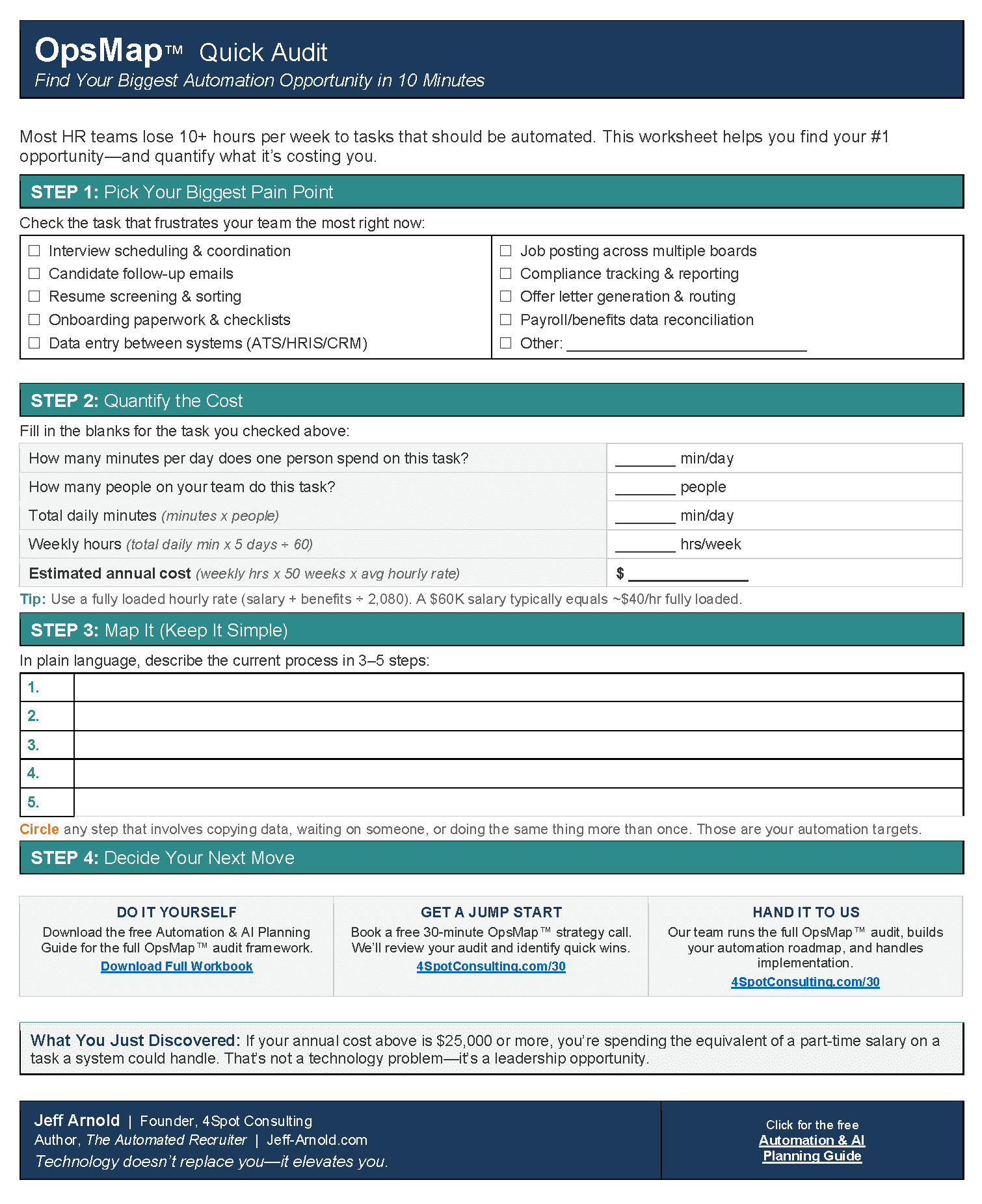
Our approach begins with an OpsMap™—a strategic audit to uncover existing inefficiencies and identify precise opportunities for automation and role customization. We map out your current HR functions, data sensitivities, and workflow dependencies. This diagnostic allows us to design a tailored OpsBuild™ implementation plan that leverages automation to not only define and assign custom roles but also to manage their entire lifecycle seamlessly. The goal is to eliminate low-value work for your high-value employees, saving your HR team countless hours and significantly reducing operational costs and risks. We’ve seen firsthand how an HR tech client saved over 150 hours per month by automating their resume intake and parsing process, syncing enriched data to Keap CRM with precise user access controls. This strategic-first approach ensures every solution is tied directly to measurable ROI and tangible business outcomes, giving you back 25% of your day.
If you would like to read more, we recommend this article: Keap Data Protection: Why Automated Backups Are Essential Beyond Access Controls



RELATED POST