Post: Shift to Proactive Talent Strategy: Minimize Future Gaps
From Reactive to Proactive: Shifting Your Talent Strategy to Minimize Future Gaps
In today’s dynamic business landscape, the talent pipeline is often viewed through a reactive lens – a frantic scramble to fill open requisitions when a critical role becomes vacant. This approach, while common, is akin to patching holes in a leaky boat instead of building a sturdy vessel from the outset. For high-growth B2B companies, particularly those with revenues exceeding $5M ARR, this reactive stance isn’t just inefficient; it’s a significant impediment to sustained growth, operational efficiency, and long-term scalability. At 4Spot Consulting, we see firsthand how a fundamental shift from reactive to proactive talent strategy can not only minimize future gaps but also redefine an organization’s capacity for innovation and resilience.
The Hidden Costs of Perpetual Reactivity
The immediate consequence of a reactive talent strategy is the constant pressure of urgent hiring, which often leads to compromised decisions, higher recruitment costs, and longer time-to-fill metrics. Yet, the true costs run far deeper. A chronic state of understaffing or misaligned talent can erode team morale, increase burnout among existing employees who are forced to carry extra loads, and directly impact productivity. More subtly, it starves innovation by preventing the strategic allocation of resources to future-focused projects. When leadership is perpetually consumed with immediate staffing crises, there’s little bandwidth left for forward-thinking initiatives that drive competitive advantage. This cycle creates bottlenecks that slow down revenue growth and leave valuable employees performing low-value work, ultimately undermining your entire operational framework.
Embracing Proactivity: A Strategic Imperative for Sustainable Growth
Shifting to a proactive talent strategy requires a fundamental re-evaluation of how an organization views its workforce – not as a static resource, but as a dynamic asset to be cultivated, anticipated, and optimized. This strategic imperative moves beyond mere forecasting; it involves building an agile talent ecosystem capable of adapting to evolving business needs.
Anticipating Needs Through Data and Foresight
A proactive approach begins with robust data analysis. This isn’t just about tracking current headcount; it’s about understanding attrition patterns, identifying critical skills trending within your industry, and leveraging internal performance data to predict future requirements. By integrating HR data with business intelligence, companies can anticipate where skill gaps are likely to emerge, which roles will become critical as the company scales, and how market shifts might impact talent availability. This foresight allows for strategic planning, such as developing internal upskilling programs or establishing long-term talent pipelines, rather than waiting for a crisis to strike. We help our clients create a “Single Source of Truth” by connecting disparate HR and operations data, making this kind of foresight not just possible, but automated.
Building a Talent Ecosystem, Not Just a Pipeline
Proactivity extends beyond external hiring. It encompasses nurturing a vibrant internal talent ecosystem through continuous learning and development, robust internal mobility programs, and clear succession planning. By understanding the capabilities of your current workforce and identifying individuals with high potential, organizations can develop talent from within, reducing reliance on external markets and fostering greater employee loyalty. This involves mapping existing skills, identifying areas for growth, and strategically investing in training and mentorship. For companies, this means fewer disruptions and a more resilient workforce, capable of pivoting with market demands.
Automation as the Proactive Enabler
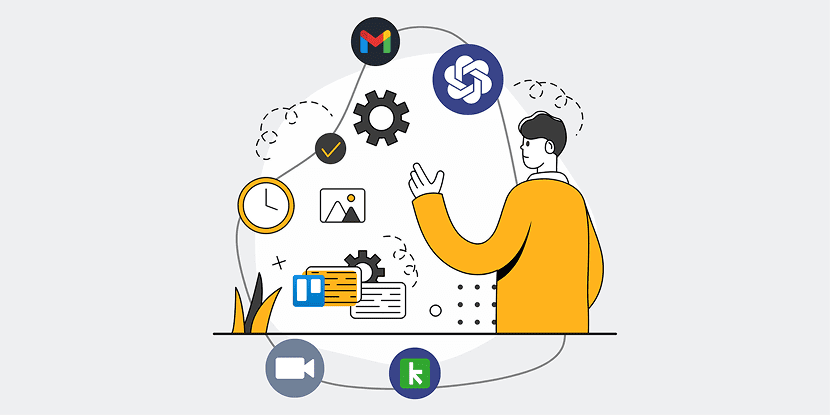
The true game-changer in a proactive talent strategy is the intelligent application of automation and AI. Many organizations still rely on manual processes for everything from initial candidate screening to employee onboarding and skills inventory management. This not only consumes valuable time but also introduces human error and delays. Imagine a system where AI-powered tools can automatically analyze resumes for specific skills, identify internal candidates for new roles based on their performance and development history, or even predict attrition risk based on employee engagement data. Automation, expertly implemented by 4Spot Consulting, transforms these manual bottlenecks into seamless, predictive workflows. We leverage tools like Make.com and AI to connect your HR tech stack, automate candidate nurturing within your CRM (like Keap or HighLevel), and even streamline the entire hiring lifecycle, saving you 25% of your day and allowing your high-value employees to focus on strategic initiatives rather than administrative tasks.
Operationalizing Proactive Talent Management
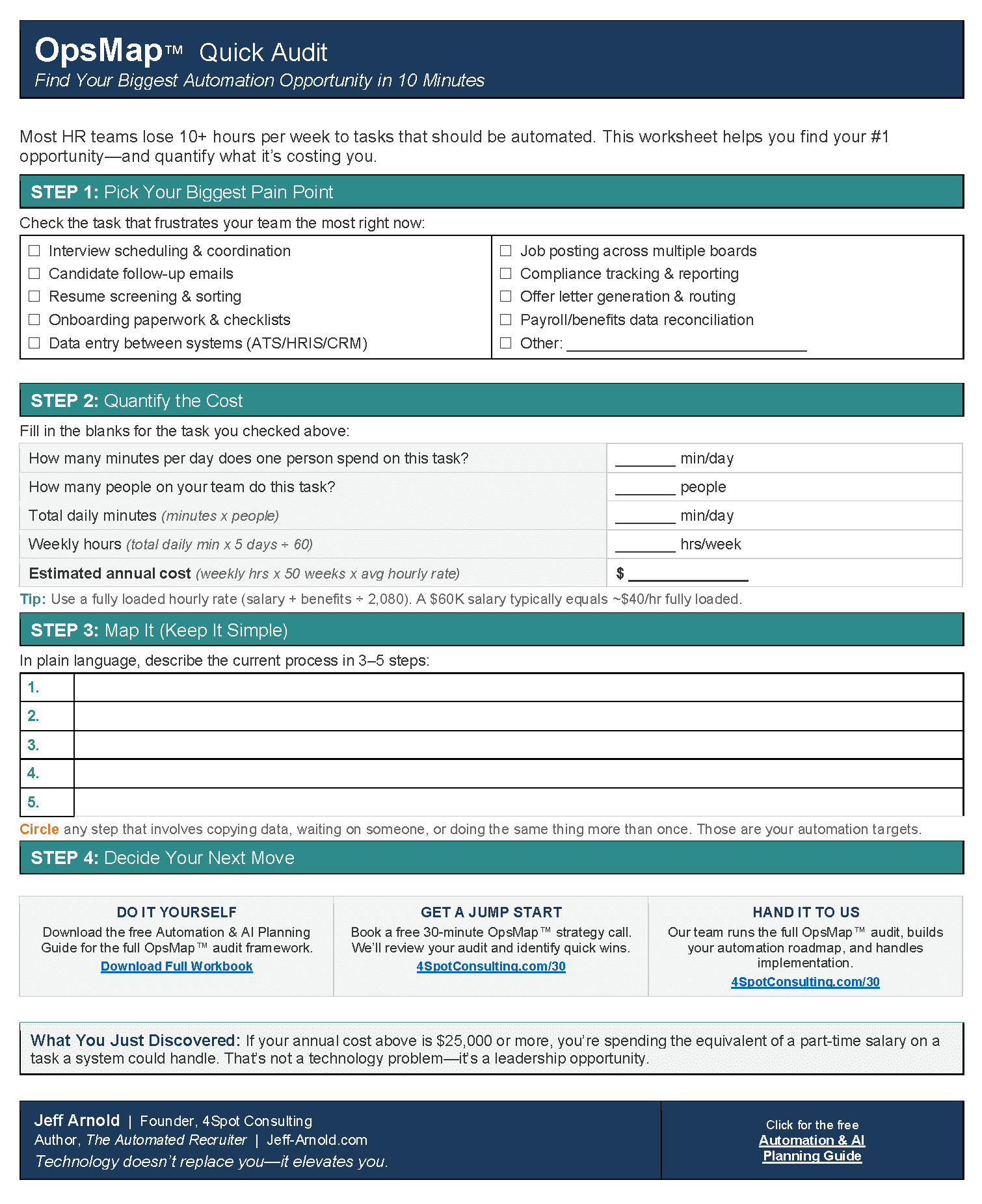
To operationalize this shift, organizations must adopt frameworks that embed proactivity into their very culture. This includes regular workforce planning sessions informed by data, developing a skills matrix that maps current capabilities against future needs, and creating automated feedback loops that inform talent development. It also means integrating your HR and recruiting systems with broader operational platforms – ensuring that talent data isn’t siloed but contributes to a holistic understanding of your business’s health. Our OpsMap™ diagnostic is precisely designed to uncover these inefficiencies and identify opportunities for strategic automation, helping you transition from a reactive scramble to a predictable, optimized talent flow. This strategic audit illuminates how to eliminate human error and reduce operational costs associated with talent management, increasing scalability across the board.
A proactive talent strategy isn’t a luxury; it’s a necessity for any business striving for sustained growth and market leadership. By anticipating future needs, cultivating internal talent, and leveraging the power of automation and AI, organizations can move beyond simply filling roles to strategically building the workforce of tomorrow. This not only minimizes disruptive talent gaps but also frees up critical resources and leadership focus to drive innovation and capitalize on new opportunities.
If you would like to read more, we recommend this article: Safeguarding HR & Recruiting Performance with CRM Data Protection