Post: FIPS 140-2: Secure HR Data Backups for Government & Defense
Understanding FIPS 140-2: Fortifying HR Encrypted Backups for Government & Defense
In the high-stakes realm of government and defense, data security isn’t just a best practice; it’s a national imperative. For HR departments within these critical sectors, managing sensitive personnel information demands an uncompromising approach to encryption and data integrity. The challenge intensifies when considering data backups – often an overlooked vulnerability that can expose an entire organization to catastrophic breaches and compliance failures. This is where the Federal Information Processing Standard (FIPS) 140-2 becomes not merely a guideline, but the bedrock of trust and operational resilience.
The Mandate of FIPS 140-2 in Sensitive Environments
FIPS 140-2 is a U.S. government computer security standard used to approve cryptographic modules. It specifies rigorous requirements for hardware and software modules that handle sensitive (but unclassified) data. For government agencies and their defense contractors, adherence to FIPS 140-2 isn’t optional; it’s a non-negotiable prerequisite for securing information systems. This standard ensures that the cryptographic processes used to protect data are robust, validated, and free from known vulnerabilities, providing a quantifiable level of assurance against compromise.
The relevance to HR data in government and defense cannot be overstated. Personnel files, security clearances, background check results, and even basic employee PII are prime targets for adversaries. A breach of this data can lead to identity theft, espionage, or even disruption of critical operations. FIPS 140-2 offers a framework to ensure that the encryption protecting these crown jewels is of the highest caliber, safeguarding both individual privacy and national security interests.
Why HR Data is a Prime Target
Consider the rich trove of information held within an HR department: employee addresses, social security numbers, medical histories, financial data, and highly sensitive security clearance information. This data isn’t just valuable to identity thieves; it’s a goldmine for state-sponsored actors seeking to compromise personnel, gain intelligence, or disrupt operations. An unencrypted or poorly encrypted HR database, or worse, its backup, presents an irresistible target. Securing this data with FIPS 140-2 validated encryption is a fundamental defense against these pervasive threats, ensuring that the cryptographic modules used truly protect the information as intended.
Beyond Compliance: The Operational Imperative of Secure Backups
Achieving FIPS 140-2 compliance isn’t a one-time checkbox activity, especially when it comes to data backups. Many organizations invest heavily in securing their live operational data, only to neglect the same stringent requirements for their backup solutions. An unencrypted or inadequately encrypted backup effectively nullifies all front-end security efforts, creating a gaping hole in the security posture. If a system is compromised, adversaries will often seek out backups, knowing they can contain valuable data with less stringent security.
The operational imperative is clear: every copy of sensitive HR data, whether primary or secondary, live or archived, must adhere to the same FIPS 140-2 validation standards. This means ensuring that the cryptographic modules within backup systems, cloud storage solutions, and archival processes are all compliant. Without this holistic approach, organizations face not only potential data breaches but also severe penalties, reputational damage, and a complete erosion of trust.
The Pitfalls of Traditional Backup Approaches
Many traditional backup solutions, while effective for data recovery, often fall short of the specialized security requirements demanded by FIPS 140-2. Common pitfalls include using encryption algorithms that are not FIPS-validated, lacking proper key management strategies, or failing to ensure that all stages of the backup lifecycle—from data at rest to data in transit—are secured by compliant modules. Off-the-shelf software or generic cloud backup services might offer encryption, but without FIPS 140-2 validation, they simply do not meet the mandated security assurances for government and defense entities. These gaps expose organizations to significant audit risks, operational disruptions, and the ever-present threat of data exfiltration.
4Spot Consulting’s Strategic Approach to FIPS 140-2 Compliant Backups
At 4Spot Consulting, we understand that navigating the complexities of FIPS 140-2 compliance for HR data, especially across diverse platforms like Keap and HighLevel CRMs, requires a strategic, integrated approach. Our expertise in automation and AI allows us to engineer solutions that not only meet stringent security standards but also streamline operations, eliminating human error and freeing up valuable resources. Our `OpsMesh` framework guides us in creating robust, secure, and compliant `Single Source of Truth systems` that protect your most sensitive HR information, from initial input to secure backup and recovery.
We go beyond simply identifying problems; we implement verifiable solutions. By leveraging FIPS 140-2 validated cryptographic modules within custom-built automation workflows, we ensure that your HR data, whether stored in a CRM or archived, is consistently protected to government standards. This involves meticulously designing data flows that encrypt sensitive information before it leaves your primary systems, securing it in transit, and maintaining its encrypted state in all backup repositories.
Building Resilient, Compliant HR Data Systems
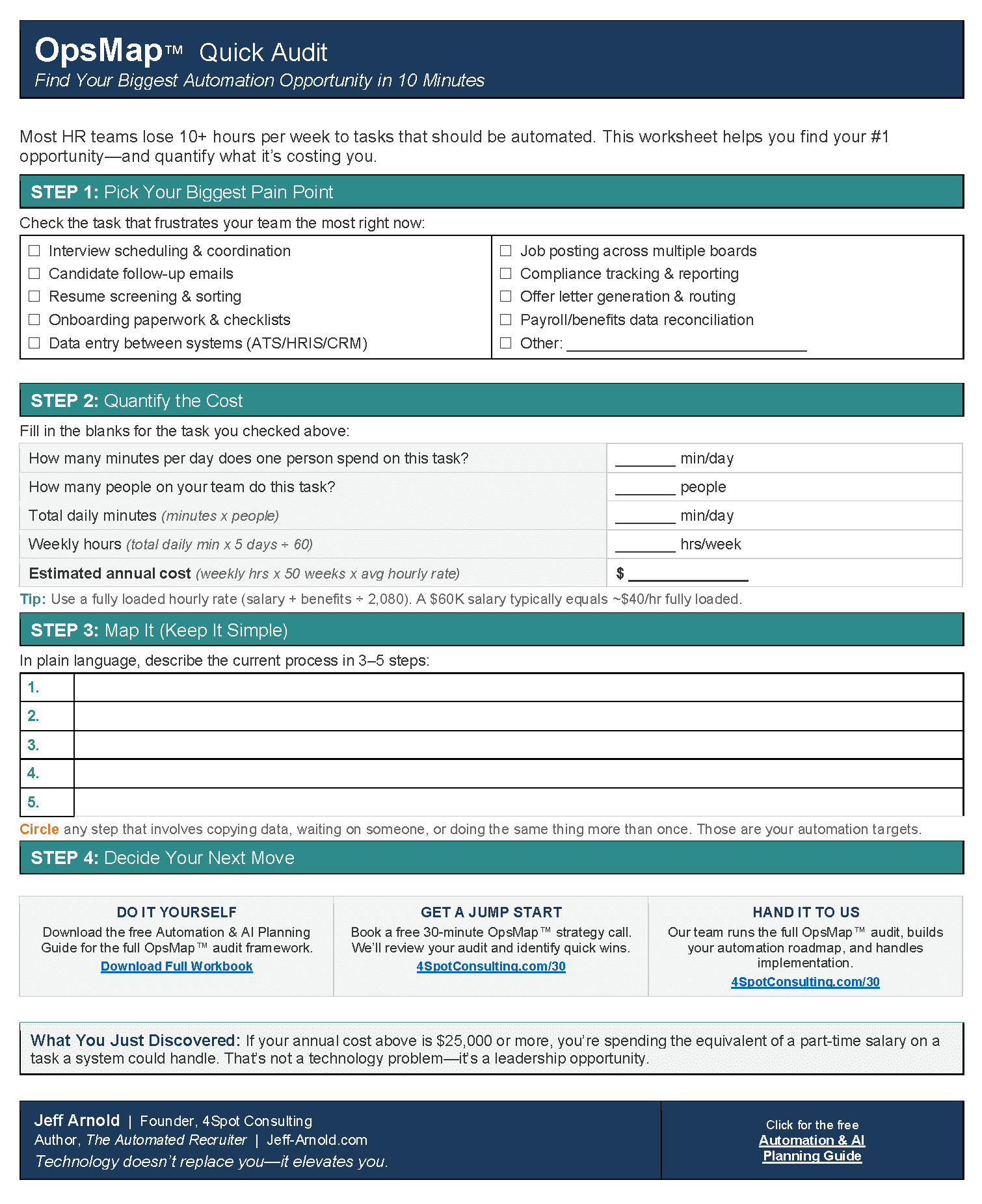
Our process begins with an `OpsMap™`, a strategic audit that uncovers every inefficiency and vulnerability in your current HR data management and backup systems. We identify where your processes fall short of FIPS 140-2 and other compliance requirements. From there, our `OpsBuild` phase kicks in. We implement tailored automation and AI systems that integrate FIPS-validated encryption modules into your backup workflows, ensuring secure, automated, and compliant data replication for your HR data. This includes secure key management practices and verifiable integrity checks.
Finally, our `OpsCare` program provides ongoing support, optimization, and iteration. This ensures your systems remain compliant as regulations evolve and technology advances, giving you peace of mind. The outcome is not just compliance, but a more resilient, scalable HR operation where data security is automated, validated, and consistently maintained. This strategic investment protects your organization from devastating breaches and regulatory penalties, ultimately saving your team countless hours and safeguarding national security interests.
For government and defense contractors, understanding and implementing FIPS 140-2 for HR encrypted backups is a mission-critical endeavor. It’s an investment in the operational integrity of your organization and the security of the nation. By adopting a comprehensive, automated approach, organizations can move beyond basic compliance to achieve true data resilience and peace of mind.
If you would like to read more, we recommend this article: Fortify Your Keap & High Level CRM: Encrypted Backups for HR Data Security & Compliance


RELATED POST