Post: AI Resume Analysis: Cut Time-to-Hire and Boost Talent Quality
Reducing Time-to-Hire: The Direct Impact of AI-Powered Resume Analysis
In today’s fiercely competitive talent landscape, the speed at which an organization can identify, engage, and ultimately hire top talent is a critical differentiator. Yet, many businesses, particularly those scaling rapidly, find themselves bogged down by protracted hiring cycles. This isn’t just an administrative headache; it translates directly into lost productivity, increased operational costs, and missed opportunities. The traditional resume screening process, often a laborious manual task, stands as one of the most significant bottlenecks. But what if there was a way to dramatically shrink this time-to-hire without compromising on candidate quality? The answer lies in the strategic application of AI-powered resume analysis.
The Hidden Costs of Manual Resume Screening
For decades, human resource departments and recruiting teams have shouldered the monumental task of sifting through hundreds, if not thousands, of resumes for each open position. This process is inherently flawed. It’s time-consuming, prone to human error, and susceptible to unconscious biases. A recruiter, under pressure to fill a role quickly, might spend mere seconds on a resume, potentially overlooking a highly qualified candidate whose experience isn’t immediately obvious, or conversely, spending too much time on a poorly matched one. The sheer volume of applications can lead to burnout, decreased morale, and, crucially, a slower time-to-hire that puts your organization at a disadvantage.
Beyond Keywords: AI’s Deeper Understanding
Early iterations of resume parsing were rudimentary, often relying on simple keyword matching. While an improvement, this approach still missed much of the nuance essential for identifying truly exceptional candidates. Modern AI-powered resume analysis systems, however, operate on a fundamentally different level. These advanced algorithms go beyond mere keywords, employing natural language processing (NLP) and machine learning to understand context, infer skills from experience descriptions, and even predict cultural fit based on a candidate’s previous roles and company environments. They can analyze unstructured data, identify transferable skills, and cross-reference information with job descriptions to provide a holistic, objective assessment of a candidate’s suitability.
Accelerating the Pipeline with Precision
The immediate and most palpable benefit of AI in resume analysis is speed. What once took hours or days of manual effort can now be accomplished in minutes. AI can process vast volumes of applications, extract relevant data, and score candidates against predefined criteria with unparalleled efficiency. This rapid sifting allows recruiters to focus their valuable time on qualified candidates much earlier in the process. Instead of drowning in administrative tasks, they can dedicate their expertise to meaningful candidate engagement, interviews, and relationship building – activities that truly drive successful hires.
Furthermore, AI brings a level of consistency and objectivity that manual review simply cannot match. By standardizing the initial screening process, organizations can ensure that every applicant is evaluated fairly against the same set of criteria, reducing bias and promoting diversity. This not only improves the quality of hires but also enhances the candidate experience, as applicants are more likely to receive timely feedback, even if it’s automated, which reflects positively on the employer brand.
Eliminating Bottlenecks and Boosting ROI
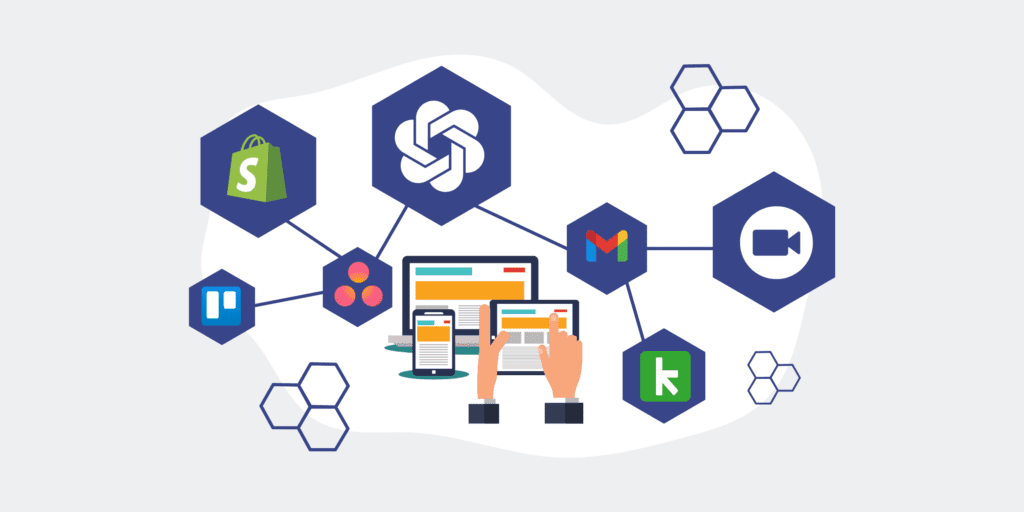
The impact of AI-powered resume analysis extends beyond just the initial screening phase. When integrated with broader automation strategies – such as syncing parsed data directly into CRM systems like Keap or HighLevel – it creates a streamlined, end-to-end recruiting workflow. This eliminates manual data entry, reduces the likelihood of human error, and ensures that a “single source of truth” for candidate data is maintained. For high-growth businesses, this integration is not merely a convenience; it’s a strategic imperative. It frees up high-value employees from low-value, repetitive work, allowing them to focus on tasks that directly impact revenue and strategic growth. Our experience with clients demonstrates that automating these critical initial steps can save hundreds of hours per month, directly translating into tangible ROI through faster hires, reduced operational costs, and improved talent acquisition outcomes.
Strategic Advantage in a Competitive Landscape
Ultimately, reducing time-to-hire through AI-powered resume analysis is about gaining a strategic advantage. In a market where top talent is frequently courted by multiple organizations, being able to move quickly and decisively can mean the difference between securing a star employee and losing them to a competitor. By intelligently automating the initial stages of the recruitment funnel, companies can position themselves as efficient, forward-thinking employers. This allows HR and recruiting leaders to transition from reactive administrative roles to proactive, strategic partners who leverage technology to build stronger, more resilient teams.
The direct impact of AI-powered resume analysis is clear: it’s not just about speed, but about precision, objectivity, and a profound shift in how organizations approach talent acquisition. It empowers businesses to find the right people, faster, and with greater confidence, setting the stage for sustained growth and innovation.
If you would like to read more, we recommend this article: Mastering CRM Data Protection & Recovery for HR & Recruiting (Keap & High Level)





RELATED POST