Post: AI Resume Parsing: Cost, Benefits, and Recruitment ROI
The Cost-Benefit Analysis of Implementing AI Resume Parsing Solutions
In today’s competitive talent landscape, the speed and accuracy of recruitment can make or break a company’s growth trajectory. For HR leaders, COOs, and recruitment directors, the manual processing of resumes often feels like an unavoidable bottleneck – a time-consuming, error-prone task that diverts valuable resources from strategic initiatives. Imagine a process where every incoming resume is not just stored, but intelligently understood, categorized, and matched against open roles with unparalleled efficiency. This isn’t a futuristic fantasy; it’s the tangible reality offered by AI resume parsing solutions.
At 4Spot Consulting, we regularly encounter businesses struggling to scale their hiring without exponentially increasing their operational costs. The fundamental problem is often rooted in inefficient data handling. Manual resume review, while seemingly thorough, is inherently limited by human capacity and potential bias. It’s an administrative burden that high-value employees should not be spending their precious time on. A robust cost-benefit analysis reveals that AI resume parsing isn’t merely an upgrade; it’s a strategic imperative for businesses aiming to save 25% of their day and achieve scalable growth.
Understanding the Tangible Benefits: Beyond Simple Keyword Matching
Implementing an AI resume parsing solution delivers a cascade of benefits, far exceeding the simplistic notion of keyword matching. Here’s what intelligent parsing brings to the table:
- Unprecedented Efficiency and Speed: AI can process hundreds, even thousands, of resumes in the time it takes a human recruiter to review a handful. This dramatically accelerates the initial screening phase, allowing your team to engage with qualified candidates faster. No more sifting through irrelevant applications; the system does the heavy lifting, pre-qualifying candidates based on defined parameters.
- Enhanced Accuracy and Data Consistency: Manual data entry is notorious for human error. AI parsing extracts crucial data points – skills, experience, education, contact information – with high accuracy, standardizing this data for immediate use within your CRM (like Keap) or ATS. This creates a clean, reliable “single source of truth” for candidate information, eliminating discrepancies and improving data integrity.
- Reduced Operational Costs: By automating the initial screening and data entry, companies can significantly reduce the labor hours dedicated to these administrative tasks. This frees up recruiters to focus on interviews, candidate engagement, and strategic talent acquisition, ultimately lowering cost-per-hire and increasing overall HR productivity.
- Improved Candidate Experience: A faster, more streamlined application process leads to a better candidate experience. Applicants are often frustrated by lengthy waits or feeling their application disappears into a black hole. AI parsing ensures quicker responses and more relevant interactions, enhancing your employer brand.
- Bias Mitigation: While AI is not entirely free of bias (depending on how it’s trained), well-implemented systems can help reduce unconscious human bias inherent in manual screening processes. By focusing on objective qualifications and skills, AI can broaden the talent pool and promote diversity.
- Scalability: As your company grows, so does the volume of applications. AI parsing scales effortlessly, handling increased demand without requiring a proportional increase in headcount for screening, making your recruitment operations inherently more scalable.
The Investment Side: What Are the Costs and Considerations?
Like any strategic technology investment, AI resume parsing comes with its own set of costs and considerations:
- Initial Software Investment: This includes licensing fees for the parsing software or platform. Costs vary widely based on vendor, features, and volume of resumes processed.
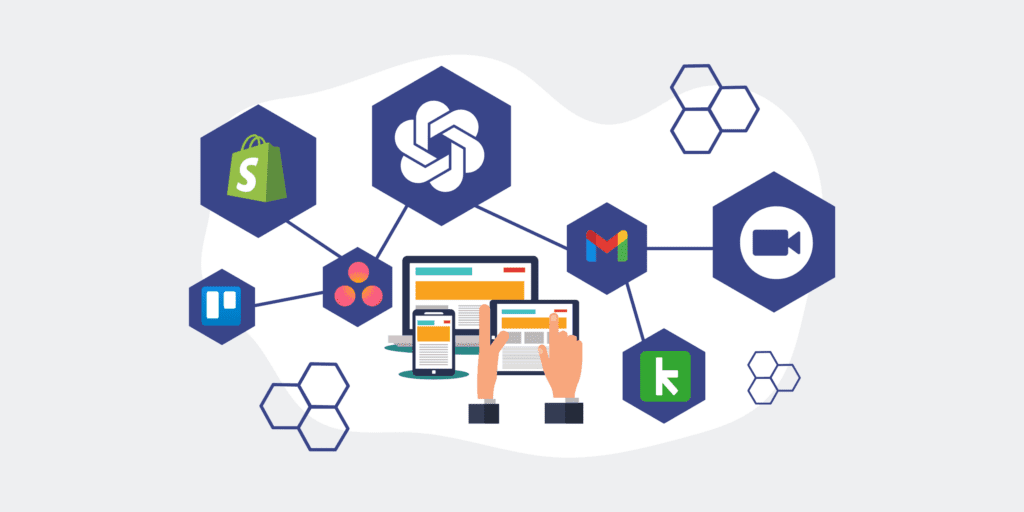
- Integration Complexity: The parser needs to seamlessly integrate with your existing Applicant Tracking System (ATS), CRM, and other HR tech stack components. This can require development work, API integrations, and careful configuration to ensure data flows smoothly. For companies leveraging platforms like Make.com, this integration can be significantly streamlined and customized.
- Data Security and Privacy: Handling sensitive candidate data requires robust security protocols and compliance with regulations like GDPR or CCPA. Ensuring your chosen solution meets these standards is paramount.
- Training and Adoption: While AI simplifies tasks, your team will need training on how to effectively use the new system, interpret its outputs, and leverage the insights it provides. Change management is crucial for successful adoption.
- Customization and Optimization: Out-of-the-box solutions may not perfectly fit your unique needs. There might be costs associated with customizing parsing rules, refining algorithms, or optimizing the system for specific job roles or industries.
The 4Spot Consulting Approach: Strategic Implementation for ROI
Navigating the implementation of AI resume parsing, much like any significant automation, requires a strategic-first approach. At 4Spot Consulting, we don’t just build; we plan before we build. Our OpsMap™ diagnostic is designed to uncover inefficiencies in your current hiring process, surface the specific opportunities AI parsing presents, and roadmap a profitable automation strategy. We evaluate your existing systems, identify critical data points, and then orchestrate the integration using tools like Make.com to connect your parsing solution with your CRM and ATS seamlessly. Our goal is to eliminate human error, reduce operational costs, and increase scalability, turning your recruitment into a competitive advantage.
Realizing ROI: A Case in Point
We recently assisted an HR tech client facing overwhelming manual resume intake. By implementing an AI resume parsing solution integrated with their Keap CRM via Make.com, we automated their entire resume intake and enrichment process. The outcome? They saved over 150 hours per month, allowing their team to focus on high-value candidate engagement rather than data entry. As one leader from the firm put it, “We went from drowning in manual work to having a system that just works.” This tangible time saving directly translates into increased capacity, faster placements, and reduced operational overhead – a clear demonstration of ROI.
Conclusion: An Investment in Future Talent Acquisition
The cost-benefit analysis of AI resume parsing solutions strongly favors implementation for forward-thinking organizations. The initial investment in technology and integration is quickly overshadowed by the long-term gains in efficiency, accuracy, cost reduction, and scalability. It’s about transforming your recruitment engine from a reactive, manual process into a proactive, intelligent system that consistently delivers the right talent at the right time. For businesses striving to reduce low-value work from high-value employees and secure a competitive edge, AI resume parsing is not just an option—it’s the intelligent path forward.
Ready to uncover automation opportunities that could save you 25% of your day? Book your OpsMap™ call today.
If you would like to read more, we recommend this article: Protect Your Talent Pipeline: Essential Keap CRM Data Security for HR & Staffing Agencies


RELATED POST