Post: AI Resume Parsing: Essential for Modern Talent Acquisition
The Future of Talent Acquisition: Why AI Resume Parsing is Non-Negotiable
In the relentless pursuit of top talent, the landscape of talent acquisition has undergone a seismic shift. The days of sifting through countless resumes manually, painstakingly trying to identify the perfect fit, are rapidly becoming relics of a bygone era. Today, the sheer volume of applications and the complexity of modern roles demand a more sophisticated approach. This isn’t just about efficiency; it’s about competitive advantage, strategic foresight, and the very health of your talent pipeline. At the heart of this transformation lies AI resume parsing, a technology that is no longer a luxury but an absolute necessity for any organization serious about securing its future workforce.
The Undeniable Flaws of Traditional Resume Screening
For decades, recruiters have grappled with the inherent limitations of manual resume review. It’s a process fraught with challenges: the immense time commitment, the risk of human error leading to missed opportunities, and the undeniable potential for unconscious bias. A human eye, no matter how trained, can only process so much information before fatigue sets in. Critical keywords might be overlooked, valuable experience might be misinterpreted, and subjective judgments can inadvertently sideline perfectly qualified candidates.
Moreover, the modern resume itself has evolved. Candidates, leveraging optimization techniques, often craft documents designed to bypass basic ATS filters, making it even harder for human reviewers to discern genuine fit from clever formatting. This bottleneck not only slows down the entire hiring cycle but also leads to a frustrating candidate experience, resulting in top talent abandoning applications due to a lack of timely engagement.
Enter AI: Revolutionizing the First Touchpoint
AI resume parsing fundamentally redefines this critical first stage of talent acquisition. Instead of a human spending precious minutes (or even hours) per resume, AI-powered systems can scan, extract, and categorize information from hundreds, even thousands, of resumes in mere seconds. This isn’t just about speed; it’s about precision.
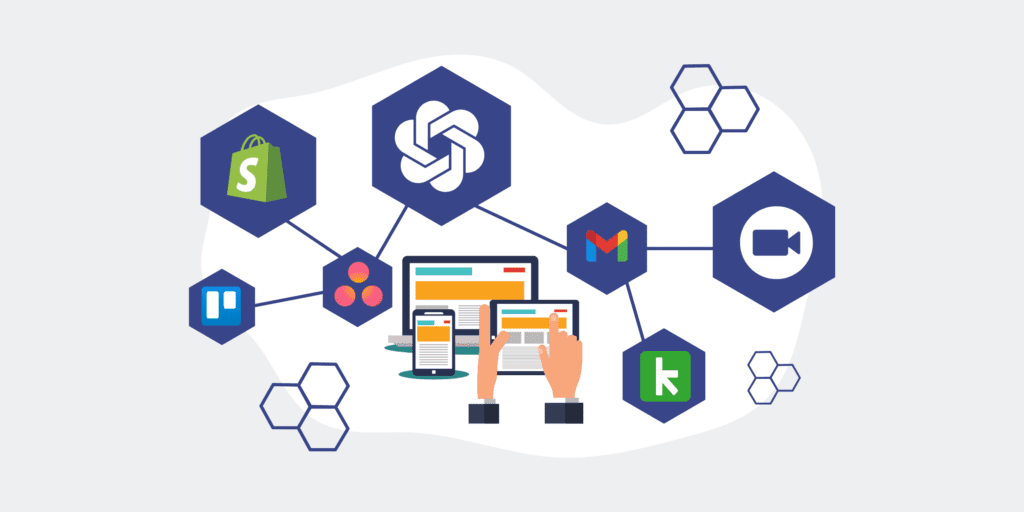
These intelligent systems are designed to identify and pull out key data points: skills, experience, education, work history, certifications, and even soft skills inferred from various descriptions. This data is then standardized and structured, transforming unstructured text into actionable insights. Imagine having a clean, consistent database of candidate profiles, ready for immediate comparison and analysis, integrated seamlessly with your CRM like Keap.
Beyond Speed: The Strategic Advantages of AI Parsing
The benefits of AI resume parsing extend far beyond mere efficiency:
Enhanced Accuracy and Consistency: AI eliminates human oversight and provides a consistent, objective lens through which every resume is evaluated. This reduces errors and ensures that all candidates are processed based on predefined, objective criteria.
Significant Time and Cost Savings: By automating the most labor-intensive part of the hiring process, recruiters are freed from administrative burden. This allows them to focus on high-value activities: engaging with promising candidates, building relationships, and strategizing talent pipelines. The operational cost savings quickly become substantial.
Reduced Bias in Early Screening: When configured correctly, AI parsing can significantly mitigate unconscious bias. It focuses purely on skills and experience, rather than names, photos, or formatting that might trigger human preconceptions. This fosters a more diverse and inclusive talent pool.
Scalability for High-Volume Recruiting: Whether you’re hiring for five roles or 500, AI parsing scales effortlessly. It handles surges in applications without compromising speed or accuracy, ensuring that your talent acquisition team can always keep pace with your organizational growth.
Improved Candidate Experience: Faster processing means quicker responses to candidates. This improved responsiveness contributes to a positive impression of your company, enhancing your employer brand and ensuring top talent remains engaged.
Data-Driven Insights: With all resume data structured and centralized, organizations gain invaluable insights into their applicant pools. Recruiters can analyze trends, identify skills gaps, and refine their sourcing strategies based on concrete data rather than guesswork.
Why AI Resume Parsing is Now Non-Negotiable
In today’s competitive talent landscape, relying solely on traditional methods is akin to bringing a knife to a gunfight. Organizations that fail to adopt AI resume parsing will find themselves at a severe disadvantage. They will struggle with longer time-to-hire, higher recruitment costs, a less diverse workforce, and the constant risk of missing out on exceptional candidates simply because their process couldn’t keep up.
AI resume parsing isn’t just a technological upgrade; it’s a strategic imperative. It’s about building a resilient, adaptable, and highly efficient talent acquisition function that can identify, attract, and secure the best human capital. It’s about leveraging automation to empower your team, allowing them to focus on the human elements of recruiting – connection, negotiation, and integration – while the AI handles the data processing with unmatched speed and accuracy.
The future of talent acquisition is here, and it’s powered by intelligent automation. Embracing AI resume parsing isn’t just about staying relevant; it’s about thriving, scaling, and ensuring your organization is equipped with the talent it needs to innovate and succeed.
If you would like to read more, we recommend this article: Protect Your Talent Pipeline: Essential Keap CRM Data Security for HR & Staffing Agencies
RELATED POST