Automating the Unseen: AI’s Profound Impact on Back-End Recruitment Tasks
In the relentless pursuit of top talent, most recruitment conversations focus on visible challenges: sourcing, interviewing, and candidate experience. Yet, beneath the surface lies a complex web of back-end tasks—the unseen administrative burden—that silently saps efficiency, introduces error, and ultimately slows down the entire hiring process. For high-growth B2B companies, these hidden inefficiencies are not just minor annoyances; they are significant bottlenecks hindering scalability and draining valuable resources. This is where AI, applied strategically, isn’t just augmenting front-end efforts but fundamentally transforming the very foundation of your recruitment operations.
Beyond the Resume: Unearthing the Real Bottlenecks
While AI’s role in parsing resumes and matching keywords is well-established, its true power in recruitment extends far deeper into the operational plumbing. Consider the myriad tasks that occupy recruiters’ time but rarely see the light of day:
- Meticulous interview scheduling and rescheduling across multiple stakeholders.
- Rigorous background checks and verification processes.
- Ensuring compliance with ever-evolving labor laws and internal policies.
- Manual data entry into various HRIS and CRM systems.
- Crafting and sending follow-up communications, offer letters, and onboarding documents.
- Maintaining candidate pipelines, especially for silver medalists who might be a fit for future roles.
These are the tasks that, while critical, are repetitive, prone to human error, and consume an alarming amount of high-value recruiter time. They are the ‘unseen’ inefficiencies that, left unaddressed, can derail even the most robust talent acquisition strategies.
The Silent Drain: Costs of Manual Back-End Processes
The cost of neglecting back-end automation is far-reaching:
- Delayed Time-to-Hire: Every manual step adds days, sometimes weeks, to the hiring cycle, increasing the risk of losing top candidates to competitors.
- Increased Operational Costs: High-value recruiters spending hours on administrative tasks is an inefficient allocation of resources.
- Human Error: Manual data entry, verification, and compliance checks are fertile ground for mistakes that can lead to miscommunication, legal issues, or poor candidate experiences.
- Recruiter Burnout: The relentless administrative grind leads to exhaustion and reduces time available for actual candidate engagement and strategic planning.
These issues don’t just impact recruitment; they ripple across the entire organization, affecting project timelines, team productivity, and ultimately, your bottom line.
AI as the Invisible Hand: Transforming Operations
AI’s true potential in back-end recruitment lies in its ability to act as an invisible hand, automating these critical yet mundane tasks with precision and speed. It’s not about replacing human judgment but about freeing it to focus where it matters most: building relationships and making strategic hiring decisions.
Intelligent Scheduling & Coordination
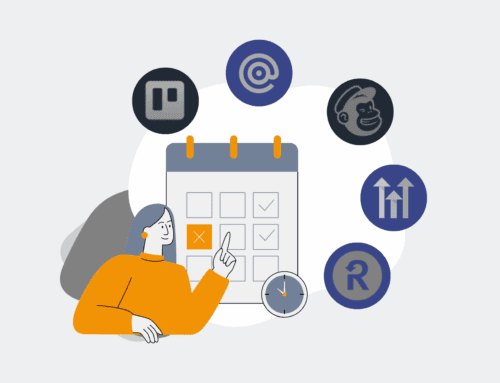
Imagine AI algorithms managing complex interview schedules across different time zones, factoring in interviewer availability, candidate preferences, and room bookings, all without a single email exchange. Beyond initial scheduling, AI can proactively handle reschedules, send reminders, and update calendars, significantly reducing no-shows and administrative overhead.
Automated Data Verification & Compliance
AI-powered tools can swiftly cross-reference candidate data against public records, verify credentials, licenses, and certifications, and even flag potential compliance risks. This drastically reduces the time and effort spent on background checks and ensures adherence to regulatory requirements, minimizing legal exposure.
Proactive Candidate Engagement & Nurturing
Even after an interview, the back-end communication can be automated. AI can trigger personalized follow-up emails, send relevant company updates, and even re-engage silver medalist candidates for future roles, ensuring your talent pipeline remains warm and active. This continuous, automated engagement creates a superior candidate experience without requiring constant manual oversight.
Streamlined Onboarding Data Flow
The transition from candidate to employee often involves extensive data re-entry. AI-driven automation can seamlessly transfer verified candidate data from your ATS to your HRIS, payroll, and other internal systems, eliminating manual data entry, reducing errors, and accelerating the onboarding process. This holistic approach, which we at 4Spot Consulting refer to as an OpsMesh strategy, connects disparate systems like Make.com, Keap, and PandaDoc to create a single source of truth, eliminating friction and ensuring data integrity from the first touchpoint to post-hire. We’ve seen first-hand how automating these processes can save our HR tech clients over 150 hours per month, enabling them to scale without adding headcount.
The Strategic Advantage: Empowering Recruiters to Recruit
By delegating the ‘unseen’ administrative burdens to AI, organizations don’t just save time and money; they fundamentally transform the role of their recruitment teams. Recruiters are freed from the drudgery of data entry and scheduling, allowing them to:
- Spend more time engaging with candidates on a personal level.
- Focus on strategic sourcing and talent mapping.
- Build stronger relationships with hiring managers.
- Develop deeper insights into market trends and talent pools.
This isn’t about replacing humans; it’s about elevating their role, empowering them to focus on high-value, human-centric tasks that truly differentiate your organization in a competitive talent landscape.
Future-Proofing Your Talent Pipeline
Implementing AI-driven back-end automation is a strategic investment in the future of your talent acquisition. It builds a resilient, scalable, and error-resistant system that can adapt to growth and market changes. It allows your business to reduce operational costs, increase scalability, and eliminate human error, ensuring your talent pipeline is robust and ready for whatever challenges lie ahead.
If you’re a high-growth B2B company looking to save 25% of your day by eliminating human error and increasing scalability, don’t let the unseen inefficiencies cripple your growth. Our OpsMap™ strategic audit is designed to uncover these exact opportunities and roadmap profitable automations tailored to your unique business needs.
If you would like to read more, we recommend this article: Protect Your Talent Pipeline: Essential Keap CRM Data Security for HR & Staffing Agencies