Post: 6 Critical Mistakes in AI Candidate Personalization
6 Critical Mistakes to Avoid When Personalizing Candidate Journeys with AI
The promise of AI in HR and recruiting is undeniable: hyper-personalized candidate experiences, streamlined processes, and a competitive edge in attracting top talent. For organizations striving to differentiate themselves in a crowded market, leveraging AI to tailor every interaction seems like the logical next step. Imagine an onboarding journey where every touchpoint feels custom-built for an individual, addressing their specific concerns and celebrating their unique strengths. This isn’t science fiction; it’s increasingly within reach thanks to advancements in AI. However, the path to truly effective AI-powered personalization is fraught with potential missteps. Many organizations, eager to capitalize on the technology’s potential, rush into implementation without a clear strategy, adequate data governance, or a deep understanding of the human element involved. The result can be counterproductive: a sterile, impersonal experience that alienates candidates, erodes trust, and ultimately undermines your employer brand. At 4Spot Consulting, we’ve seen firsthand how a strategic approach to AI and automation can save businesses 25% of their day, but we’ve also witnessed the pitfalls of poorly executed initiatives. Avoiding these common mistakes isn’t just about optimizing technology; it’s about safeguarding your reputation, ensuring fairness, and creating genuinely engaging candidate journeys that lead to stronger hires and a more resilient workforce.
1. Over-Automating and Losing the Human Touch
In the pursuit of efficiency and scale, it’s tempting to automate every single touchpoint in the candidate journey. AI can handle initial screenings, answer FAQs, schedule interviews, and even deliver automated feedback. While these capabilities offer significant advantages in reducing manual workload and speeding up time-to-hire, an over-reliance on AI can strip the process of its essential human element. Candidates often feel disconnected and undervalued when every interaction is with a bot or an automated system, leading to a perception that the company doesn’t care about individual applicants. This is particularly true for high-value roles or for candidates who are seeking a personal connection with their potential employer. The mistake here isn’t using AI, but using it indiscriminately. A personalized journey, by definition, requires empathy and a nuanced understanding of individual needs, which often necessitates human intervention at critical junctures. For instance, while AI can pre-screen for essential qualifications, a follow-up call from a recruiter to discuss career aspirations or clarify nuanced experience can make all the difference. The key is to identify moments where human judgment, compassion, or direct communication are irreplaceable, and to design AI systems that augment, rather than replace, these interactions. Automation should free up your recruiting team to focus on these high-value, human-centric activities, ensuring that candidates feel seen, heard, and genuinely valued throughout their journey. Failing to strike this balance can result in a personalized journey that paradoxically feels profoundly impersonal, driving away the very talent you’re trying to attract.
2. Amplifying Biases Through Uncontrolled Data
One of the most insidious mistakes in personalizing candidate journeys with AI is inadvertently amplifying existing biases present in your historical data. AI systems learn from the data they’re fed, and if that data reflects past discriminatory hiring practices, unconscious biases, or skewed demographic representation, the AI will learn and perpetuate those biases. For example, if your historical hiring data shows a preference for candidates from specific universities or with particular demographic profiles, an AI designed to personalize outreach might inadvertently deprioritize or filter out highly qualified candidates who don’t fit that historical mold. This doesn’t just create an unfair and unethical recruiting process; it also severely limits your talent pool and starves your organization of diverse perspectives and innovative ideas. Avoiding this mistake requires a proactive and rigorous approach to data auditing and ethical AI development. Organizations must meticulously review their input data for bias, implement techniques for bias detection and mitigation, and continuously monitor the AI’s outputs for any signs of discriminatory patterns. Furthermore, the design of the personalization algorithms themselves needs to be transparent and explainable, allowing HR and recruiting professionals to understand *why* certain recommendations or decisions are being made. This isn’t a one-time fix but an ongoing commitment to fairness and equity. Investing in responsible AI development and auditing practices is non-negotiable for building truly inclusive and effective candidate journeys.
3. Neglecting Data Privacy and Security Standards
Personalizing the candidate journey with AI inherently involves collecting and processing a vast amount of sensitive personal data, from professional backgrounds and skills to communication preferences and even behavioral patterns. A critical mistake many organizations make is underestimating or neglecting the paramount importance of data privacy and security. Failure to adhere to global regulations like GDPR, CCPA, or even industry-specific compliance standards can lead to severe legal penalties, significant financial fines, and, perhaps most damagingly, a catastrophic loss of trust among candidates and the public. Candidates are increasingly aware of their data rights and are wary of companies that don’t demonstrate a strong commitment to protecting their information. A data breach, even a minor one, involving candidate information can instantly erode your employer brand, making it incredibly difficult to attract top talent in the future. Personalization must never come at the expense of privacy. Organizations must implement robust data governance frameworks, including secure data storage, stringent access controls, encryption protocols, and clear data retention policies. Candidates should be informed explicitly about what data is being collected, how it will be used for personalization, and how it will be protected. Transparency is key. This also means regularly auditing your AI systems and integrated platforms for vulnerabilities and ensuring that all third-party tools used for personalization are fully compliant. At 4Spot Consulting, we emphasize the “Single Source of Truth” principle and robust CRM & Data Backup strategies to ensure data integrity and security, recognizing that protecting candidate data is not just a compliance issue, but a fundamental pillar of ethical and effective AI-powered recruiting.
4. Failing to Integrate AI Tools with Existing HR Tech Stack
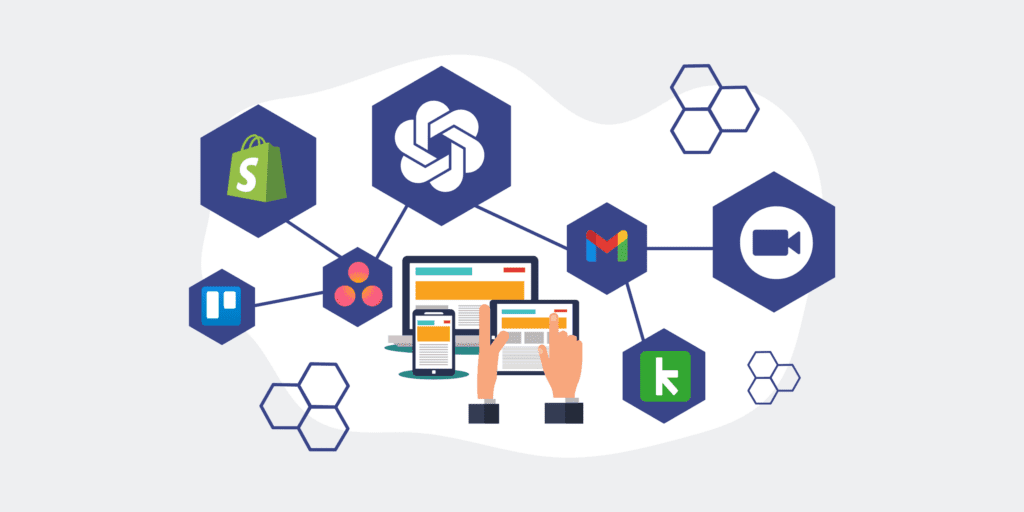
Many organizations, in their excitement to adopt AI for personalization, make the mistake of implementing point solutions without considering their compatibility or integration with the existing HR technology ecosystem. This often results in a fragmented candidate journey, siloed data, and a convoluted experience for both candidates and recruiters. Imagine an AI chatbot that provides excellent initial screening but can’t seamlessly transfer candidate information to the Applicant Tracking System (ATS), forcing manual data entry. Or a personalization engine that recommends tailored content but doesn’t integrate with your CRM, preventing a unified view of candidate interactions. Such disconnections lead to inefficiencies, duplicate efforts, and a broken experience. Instead of creating a smooth, intelligent journey, you end up with a series of disconnected steps that add friction rather than reduce it. The true power of AI in personalization comes when it’s part of a cohesive, integrated system that allows for a continuous flow of data and insights. This means strategic planning before implementation, ensuring that new AI tools can “talk” to your ATS, CRM, HRIS, and communication platforms. Using integration platforms like Make.com, as we do at 4Spot Consulting, is crucial for connecting these disparate systems, creating a unified “OpsMesh” where data flows freely and intelligently. This not only provides a holistic view of each candidate but also ensures that every personalized interaction is informed by the complete journey history, making the personalization genuinely impactful and efficient for both the candidate and your recruiting team.
5. Ignoring Candidate Feedback and Iteration
The promise of AI personalization is to create a delightful and effective experience for candidates. However, a significant mistake is to launch an AI-powered personalization strategy and then fail to continuously gather feedback from the very people it’s designed to serve: the candidates themselves. Without active listening and a commitment to iterative improvement, even the most sophisticated AI can quickly become misaligned with candidate expectations and preferences. What seems like personalized efficiency from a system design perspective might feel intrusive, irrelevant, or even frustrating to a candidate. For example, if an AI constantly recommends roles or content that don’t match a candidate’s expressed interests, or if the tone of automated messages feels overly generic despite personalization efforts, it indicates a disconnect. Organizations must establish clear channels for candidate feedback—surveys, direct interviews, A/B testing of AI interactions, and even sentiment analysis of candidate communications. This feedback is invaluable. It provides the real-world data needed to fine-tune AI algorithms, adjust communication strategies, and refine the overall candidate experience. Ignoring this input is akin to designing a product without ever asking your customers what they think. The beauty of AI is its capacity to learn and adapt, but it needs quality, real-time feedback to do so effectively. Embedding a feedback loop into your AI personalization strategy ensures that the journey evolves in a way that genuinely resonates with candidates, constantly optimizing for engagement, satisfaction, and ultimately, successful hires. This iterative approach is a hallmark of successful digital transformation.
6. Lack of Clear KPIs and ROI Measurement
Implementing any advanced technology, especially AI, without clear Key Performance Indicators (KPIs) and a robust framework for measuring Return on Investment (ROI) is a fundamental mistake. When it comes to personalized candidate journeys, simply “doing AI” isn’t enough; you need to demonstrate its tangible impact on your recruiting efforts and business outcomes. Many organizations deploy AI-driven personalization tools because it’s a trend, or because they believe it “should” work, but they fail to define what success actually looks like. Is it reducing time-to-hire? Improving candidate satisfaction scores? Increasing offer acceptance rates? Enhancing the quality of hires? Lowering cost-per-hire? Without specific, measurable goals tied to these metrics, it’s impossible to evaluate the effectiveness of your AI investments. This lack of clear measurement can lead to continued investment in underperforming tools, an inability to justify the technology to stakeholders, and missed opportunities to optimize your strategies. Before rolling out any AI personalization initiatives, HR and recruiting leaders must sit down and define precise KPIs. Then, they must implement tracking mechanisms to monitor these metrics consistently. This allows for data-driven decision-making: understanding what’s working, what’s not, and where adjustments are needed. At 4Spot Consulting, our strategic approach always ties technology adoption to clear business outcomes, helping clients quantify the impact of automation and AI on their operations. By focusing on measurable ROI, you transform AI from a speculative expense into a strategic asset that demonstrably contributes to your organization’s talent acquisition goals and overall scalability.
Personalizing candidate journeys with AI holds immense potential, but realizing that potential requires more than just adopting the latest tech. It demands a thoughtful, strategic approach that prioritizes human connection, ethical data practices, seamless integration, continuous improvement, and measurable outcomes. The mistakes outlined above, from over-automation to neglecting data privacy and failing to measure ROI, are not just technical blunders; they are strategic misalignments that can undermine your entire talent acquisition strategy. By consciously avoiding these pitfalls, HR and recruiting leaders can harness AI to create genuinely engaging, fair, and efficient candidate experiences that not only attract top talent but also strengthen your employer brand and contribute directly to your organization’s growth. The future of recruiting is personalized, but it must be personalized wisely and with purpose.
If you would like to read more, we recommend this article: CRM Data Protection: Non-Negotiable for HR & Recruiting in 2025


RELATED POST