Post: Use AI for Skills-Based Hiring to Cut Bias and Costs
Skills-Based Hiring: How AI Transforms Resume Data into Actionable Insights
The traditional resume, a relic from a bygone era, once served as the gatekeeper to career opportunities. Today, in an increasingly dynamic talent landscape, its limitations are glaring. Businesses are no longer just looking for buzzwords and chronological work histories; they demand demonstrable skills, potential, and a genuine fit. This shift heralds the rise of skills-based hiring, a paradigm propelled forward by the transformative power of artificial intelligence. At 4Spot Consulting, we understand that leveraging AI is not merely about adopting new tools; it’s about fundamentally reshaping how you identify, evaluate, and integrate talent, ultimately saving valuable time and reducing costly errors.
The conventional hiring process, often mired in manual review and subjective interpretation, is notoriously inefficient. Recruiters spend countless hours sifting through resumes that are frequently optimized for keyword matching rather than genuine skill representation. This method often overlooks hidden gems, perpetuates biases, and struggles to keep pace with the rapid evolution of job roles and necessary competencies. For high-growth B2B companies, this inefficiency translates directly into higher operational costs, prolonged time-to-hire, and a compromised ability to scale effectively. The solution lies in moving beyond the static resume to a dynamic, data-driven understanding of talent.
Beyond Keywords: The AI Revolution in Skills Extraction
AI’s capability to analyze vast datasets far surpasses human capacity, making it an indispensable ally in skills-based hiring. When integrated with advanced automation frameworks, AI can parse resume data not just for explicit keywords, but for implicit skills, transferable experiences, and even indicators of learning agility. This process goes far deeper than a simple text search, leveraging natural language processing (NLP) and machine learning to understand context, semantics, and relevance.
Unlocking Granular Insights from Unstructured Data
Consider the typical resume—a mix of structured fields and free-form text. AI models are trained to extract skills from project descriptions, achievements, and even cover letters, categorizing them into a standardized taxonomy. This means an AI system can identify “agile project management” from a bullet point detailing “led scrum sprints for software development,” even if the exact phrase isn’t present. This granular extraction creates a rich profile of a candidate’s abilities, moving beyond generic job titles to a nuanced understanding of their true capabilities.
Mitigating Bias and Enhancing Objectivity
One of the most significant advantages of AI in skills-based hiring is its potential to mitigate unconscious bias. Human reviewers, despite their best intentions, can be influenced by factors such as university prestige, gender-coded language, or a candidate’s name. AI, when properly configured and trained on diverse datasets, can focus purely on skills and experiences, providing a more objective assessment. By standardizing the evaluation criteria and reducing human subjectivity in the initial screening phases, AI helps build a more equitable and diverse talent pipeline.
Transforming Data into Actionable Talent Insights
The real power of AI isn’t just in extracting data; it’s in transforming that raw data into actionable insights that inform strategic hiring decisions. AI platforms can identify skill gaps within your existing teams, predict future talent needs based on business growth projections, and even match candidates to roles where their less obvious, but highly relevant, skills would be a significant asset.
Predictive Analytics for Optimal Talent Matching
Imagine an AI system that not only tells you what skills a candidate possesses but also predicts how well those skills align with the specific demands of a role and the culture of your organization. By analyzing performance data of successful employees, AI can develop predictive models that identify candidates most likely to excel. This moves beyond simple keyword matching to a sophisticated understanding of fit, reducing turnover and accelerating onboarding. For our clients, this means a significant reduction in the low-value work of manual matching and a greater focus on high-value candidate engagement.
Automating the Talent Pipeline: A Strategic Advantage
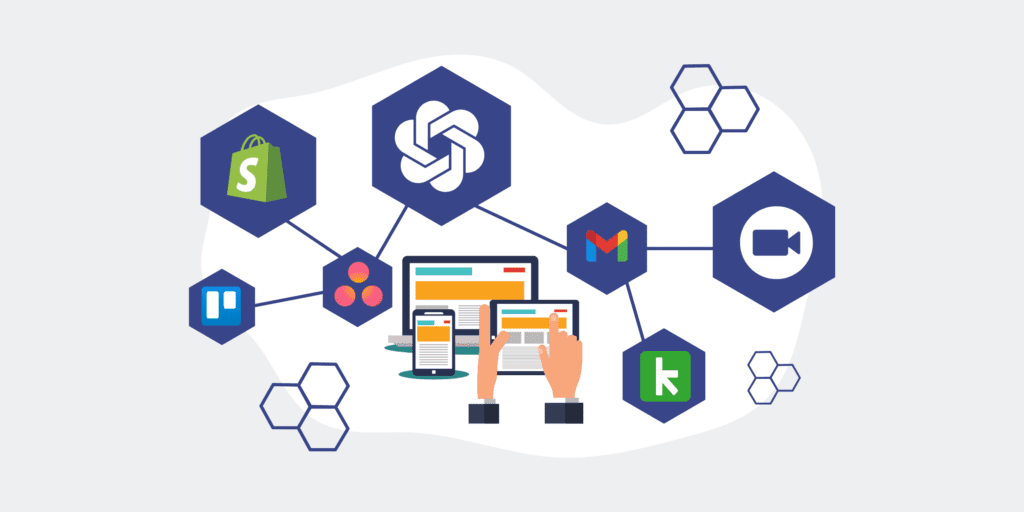
Integrating AI with automation platforms like Make.com allows companies to create seamless talent pipelines. From initial resume parsing and skills extraction to automated candidate shortlisting and even initial communication, AI can manage the repetitive, time-consuming tasks. This frees up HR and recruiting teams to focus on strategic initiatives, candidate experience, and critical decision-making. Our OpsMesh framework is designed precisely to build these interconnected, intelligent systems that eliminate bottlenecks and drive efficiency.
Consider an HR firm we worked with: by automating their resume intake and parsing process using Make.com and AI enrichment, then syncing to their CRM, they saved over 150 hours per month. This wasn’t just about saving time; it was about transforming their recruiting process from reactive and manual to proactive and data-driven, allowing them to focus on what truly matters: connecting with the right talent faster.
The Future is Skills-Based and AI-Powered
Skills-based hiring, powered by intelligent AI, is not just a trend; it’s the inevitable evolution of talent acquisition. For high-growth B2B companies, embracing this shift means gaining a critical competitive advantage. It allows you to build more resilient teams, foster greater diversity, and make hiring decisions that are truly aligned with strategic business outcomes. By moving beyond traditional resume scrutiny to a deeper, AI-driven understanding of skills, organizations can unlock hidden talent, accelerate growth, and ensure their most valuable asset—their people—are perfectly positioned for success.
If you would like to read more, we recommend this article: The Essential Guide to CRM Data Protection for HR & Recruiting with CRM-Backup
RELATED POST