Post: AI Resume Parsing ROI: Reduce Time-to-Hire and Costs
The ROI of AI Resume Parsing: Quantifying Efficiency in Hiring
In today’s competitive talent landscape, the speed and accuracy of your hiring process are not just operational concerns—they are strategic imperatives that directly impact your bottom line. For HR leaders, COOs, and recruitment directors, the sheer volume of applications can quickly overwhelm traditional manual screening methods, leading to missed opportunities, increased costs, and ultimately, a less efficient organization. This is where AI resume parsing moves beyond a trendy buzzword to become a quantifiable asset, delivering a clear return on investment (ROI) that progressive companies cannot afford to ignore.
At 4Spot Consulting, we’ve seen firsthand how the bottlenecks created by manual resume review can silently erode profitability. The time spent by high-value recruiters sifting through unqualified candidates, the human errors that lead to overlooking top talent, and the delayed time-to-hire all represent tangible costs. AI resume parsing directly addresses these inefficiencies, offering a streamlined, data-driven approach that fundamentally changes the economics of talent acquisition.
Beyond the Hype: Tangible Benefits of AI in Candidate Screening
The core value proposition of AI resume parsing lies in its ability to automate and optimize the initial stages of candidate screening. Instead of relying on human eyes to scan countless documents for keywords and qualifications, AI algorithms can process applications at unparalleled speeds, extracting relevant data points, identifying key skills, and even assessing cultural fit based on predefined parameters. But what does this mean in practical, quantifiable terms?
Reducing Time-to-Hire and Operational Costs
One of the most immediate and impactful benefits is the dramatic reduction in time-to-hire. Each day a position remains open represents lost productivity and potential revenue. AI parsing accelerates the initial screening process from days to minutes, allowing your recruiting team to engage with qualified candidates much faster. This efficiency translates directly into cost savings by reducing recruiter workload, minimizing the need for extensive overtime during peak hiring periods, and shortening the duration positions remain unfilled.
Consider the average cost of an open position or the fully loaded cost of a recruiter’s time spent on manual tasks. By automating the front-end, companies can redeploy these valuable human resources to higher-value activities like candidate engagement, strategic sourcing, and improving the candidate experience. We helped an HR tech client, for example, save over 150 hours per month by automating their resume intake and parsing process using Make.com and AI enrichment, then syncing to Keap CRM. This wasn’t just about saving time; it was about transforming their operational capacity.
Enhancing Accuracy and Mitigating Bias
Human error is an inevitable part of any manual process. When reviewing hundreds or thousands of resumes, even the most meticulous recruiter can miss critical details or introduce unconscious biases. AI parsing, when properly configured, operates with consistent accuracy, ensuring that all applications are evaluated against the same objective criteria. This not only improves the quality of your candidate pool but also helps build a more diverse and equitable workforce by reducing the impact of subjective judgment. This objective filtering means your talent pipeline is protected from inadvertent exclusions.
Improving Candidate Experience and Brand Reputation
In a competitive market, candidate experience is paramount. Protracted application processes and delayed responses can deter top talent, sending them to competitors who offer a more efficient and respectful experience. AI resume parsing facilitates quicker acknowledgment and faster progression through the initial stages, demonstrating to applicants that their time is valued. A positive experience, even for those not selected, contributes to a strong employer brand, making your organization more attractive to future candidates.
Implementing AI Resume Parsing: A Strategic Approach
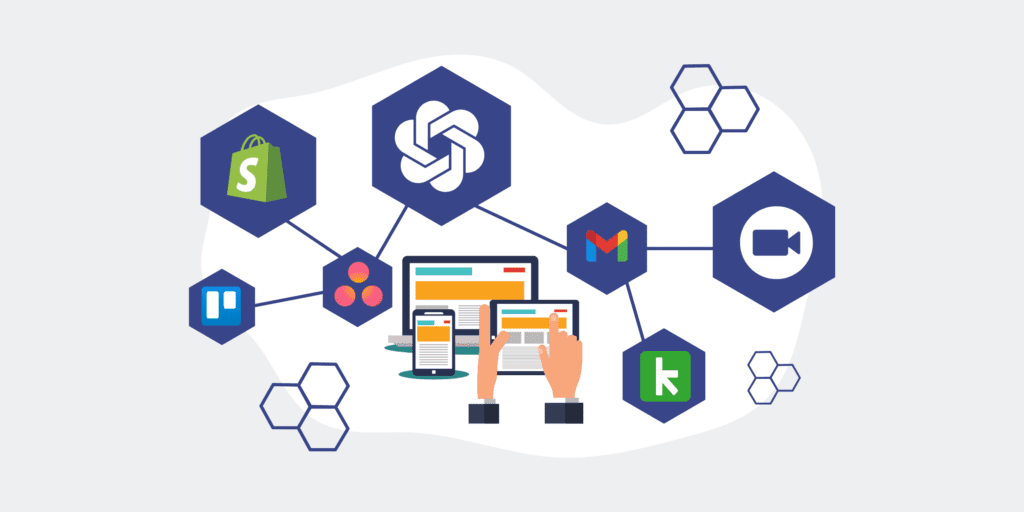
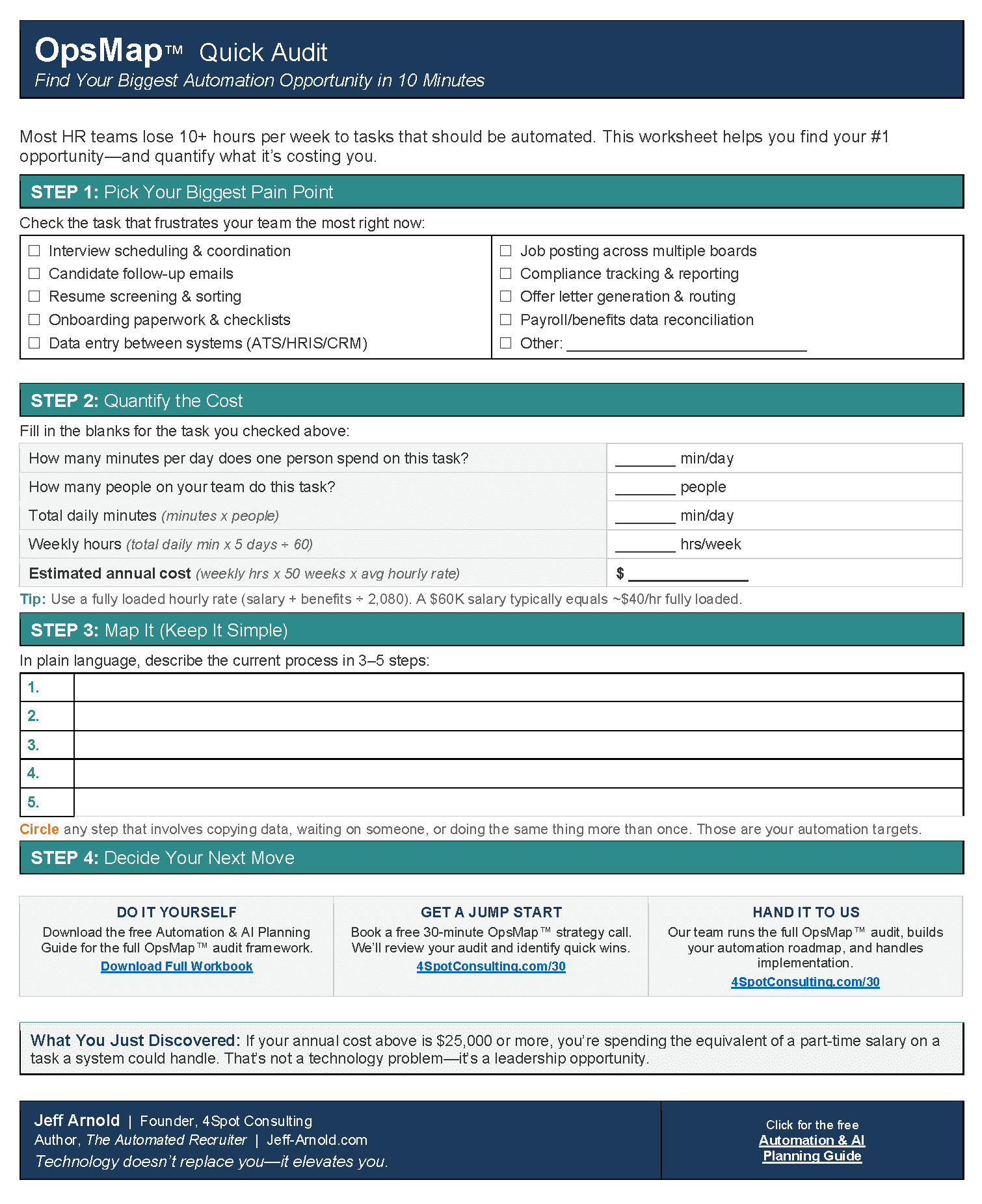
While the benefits are clear, successfully integrating AI resume parsing requires a strategic approach. It’s not simply about plugging in a tool; it’s about defining your hiring criteria, configuring the AI to align with your organizational needs, and integrating it seamlessly into your existing tech stack. This often involves connecting disparate systems—your applicant tracking system (ATS), CRM like Keap, and other HR platforms—to create a unified, automated workflow. Our OpsMap™ diagnostic helps companies identify these exact integration points and develop a clear roadmap for profitable automation.
The ROI of AI resume parsing isn’t just about cutting costs; it’s about strategic growth. It’s about empowering your recruiting team to be more strategic, reducing the risk of human error, and ensuring you’re attracting and securing the best talent faster than your competitors. For business leaders looking to eliminate bottlenecks, reduce operational costs, and increase scalability, embracing AI in recruiting is no longer optional—it’s essential.
Ready to uncover automation opportunities that could save you 25% of your day and transform your hiring processes? Book your OpsMap™ call today.
If you would like to read more, we recommend this article: Protecting Your Talent Pipeline: The HR & Recruiting CRM Data Backup Guide



RELATED POST