Post: Master Keap Website Integration: API & Make.com Strategy
Integrating Keap CRM with Your Website: A Technical Guide for Seamless Business Operations
In today’s hyper-connected digital landscape, a website isn’t merely a static brochure; it’s a dynamic hub for customer interaction, lead generation, and ultimately, revenue growth. For businesses leveraging Keap CRM, the synergy between your website and your CRM system is not just beneficial, it’s foundational to building an efficient, scalable operation. This isn’t about simple form embeds; it’s about crafting a sophisticated, automated ecosystem where your website feeds intelligence directly into your Keap instance, eliminating bottlenecks and manual data entry that cripple high-growth B2B companies.
The Imperative of Deep Integration: Beyond Basic Forms
Many businesses mistakenly believe that simply embedding a Keap web form on their contact page constitutes “integration.” While a starting point, true integration goes far deeper. It involves a continuous, intelligent flow of data that powers personalized customer journeys, automated follow-ups, and insightful analytics. Without this deep integration, critical customer data remains siloed, sales opportunities are missed, and valuable employee time is wasted on reconciliation tasks. We’ve seen firsthand how a disconnected website and CRM can cost businesses significant time and money, creating friction points that directly impact scalability.
Understanding the Data Flow: What Needs to Connect?
Consider the various touchpoints on your website where customer data is generated: lead magnet downloads, webinar registrations, product inquiries, support requests, e-commerce purchases, and even user behavior tracking. Each of these interactions represents a valuable data point that, when seamlessly captured and synchronized with Keap, can inform your sales, marketing, and service strategies. This isn’t just about names and email addresses; it’s about understanding preferences, intent, and journey progression.
For instance, when a visitor downloads a specific whitepaper, that action should trigger an automation in Keap that segments them into a relevant campaign. If they view a particular service page multiple times, this behavioral data can be pushed to Keap to alert a sales representative or initiate a tailored follow-up sequence. The goal is to move beyond reactive responses to proactive, data-driven engagement.
Architecting the Integration: Key Technical Considerations
Achieving this level of integration requires a strategic approach, often leveraging various technical tools and methodologies. Relying solely on Keap’s native web forms or basic integrations may suffice for simple use cases, but for comprehensive operational excellence, a more robust architecture is often necessary.
Leveraging Keap’s API for Custom Solutions
At the heart of any advanced Keap integration lies its Application Programming Interface (API). The API allows developers to programmatically interact with Keap, creating, updating, and querying records, managing tags, notes, tasks, and triggering campaigns. This opens the door to truly custom solutions:
- Custom Form Submissions: Instead of Keap’s native forms, you might use your website’s existing form builder (e.g., Gravity Forms, Elementor Forms) and use a custom script or a middleware platform to send data directly to Keap via its API. This allows for greater design flexibility and more complex data validation.
- User Behavior Tracking: Implementing custom tracking scripts that capture specific user actions (e.g., page views, button clicks, time on page) and pushing this data to Keap via the API for advanced segmentation and personalized follow-ups.
- E-commerce Integration: Synchronizing order data, customer purchases, and product preferences from your e-commerce platform (e.g., WooCommerce, Shopify) directly into Keap, enabling targeted post-purchase sequences and upsell opportunities.
The Role of Middleware and Automation Platforms
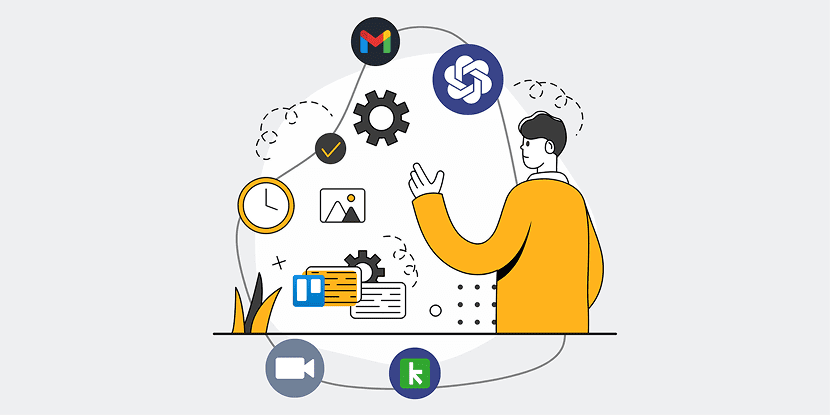
For many businesses, building direct API integrations from scratch can be resource-intensive and require specialized development skills. This is where middleware platforms like Make.com (formerly Integromat) become invaluable. Make.com acts as a bridge, allowing you to connect your website with Keap and hundreds of other applications without writing a single line of code. It empowers you to create complex, multi-step workflows that:
- Capture data from website forms (e.g., from WordPress, Webflow, custom HTML).
- Process that data, enrich it (e.g., lookup company details), and apply business logic.
- Send the processed data to Keap, creating or updating contacts, applying tags, initiating campaigns, and creating tasks for your sales team.
- Synchronize data bi-directionally, ensuring that updates in Keap are reflected on your website where necessary (e.g., client portal access).
This approach allows for incredible flexibility and scalability, enabling businesses to react quickly to changing requirements and implement sophisticated automation without heavy reliance on developers. It’s about building a robust OpsMesh, where all your systems communicate intelligently and autonomously.
Ensuring Data Integrity and Security
As you integrate your website with Keap, data integrity and security must be paramount. Implement strong validation rules on your website forms, sanitize all incoming data, and ensure that sensitive information is transmitted securely (e.g., via HTTPS). Regular audits of your integration points are crucial to prevent data corruption or breaches. This is a critical aspect of business continuity and trust, particularly for B2B companies handling client data.
Ultimately, a deeply integrated website and Keap CRM system transforms your digital presence from a mere information source into a powerful, automated sales and marketing engine. It enables hyper-personalization, eliminates manual drudgery, and frees your high-value employees to focus on strategic initiatives rather than administrative tasks. This is the operational efficiency and scalability that 4Spot Consulting helps B2B firms achieve.
If you would like to read more, we recommend this article: Keap CRM Data Protection: A Blueprint for Unbreakable Business Continuity

RELATED POST