Post: Best Practices: AI in HR Document Management
Best Practices for Implementing AI in HR Document Management
The modern HR landscape is constantly evolving, driven by the relentless pace of digital transformation and the increasing demand for efficiency and compliance. For high-growth B2B companies, managing the sheer volume of HR documentation—from onboarding papers and performance reviews to policy acknowledgments and offboarding forms—can quickly become a significant drain on resources. This isn’t just about storage; it’s about accuracy, accessibility, security, and the strategic value locked within these documents. Manually navigating this labyrinth not only introduces human error but also detracts from HR’s core mission: empowering people, not processing paperwork. This is where the intelligent application of AI in HR document management moves from a futuristic concept to an immediate, strategic imperative.
The Paradigm Shift: From Clutter to Clarity
AI’s true power in HR document management lies in its ability to transform unstructured data into actionable intelligence. It’s no longer about simply digitizing documents; it’s about making them intelligent, responsive, and seamlessly integrated into the broader operational fabric of your business. The days of hunting through shared drives or physical folders for a specific clause in an employment contract or a historical performance record are becoming obsolete. AI brings a level of precision and speed that manual systems simply cannot match.
Automation Beyond Basic Filing
At its core, AI automates the mundane, repetitive tasks that consume valuable HR time. Think about the initial intake of a new hire’s documents: a signed offer letter, non-disclosure agreements, tax forms, and benefits enrollments. Traditionally, each document requires manual review, data entry into various systems, and meticulous filing. AI-powered solutions can intelligently classify these diverse document types, extract relevant data points (like names, dates, addresses, and key clauses), and then automatically route them to the correct digital repository or even trigger subsequent workflows—such as updating an HRIS, initiating payroll setup, or scheduling compliance training. This isn’t just optical character recognition; it’s semantic understanding, enabling systems to make sense of context and content.
Ensuring Compliance and Security with AI Precision
In the heavily regulated world of HR, compliance is non-negotiable. Data privacy laws like GDPR and CCPA, industry-specific regulations, and internal policies all demand rigorous adherence, particularly concerning sensitive employee data. AI systems enhance compliance by creating an unalterable audit trail of document access, modifications, and retention. They can identify and flag documents nearing their retention expiration dates, ensuring timely archiving or deletion to minimize risk. Furthermore, AI can enforce access controls, ensuring that only authorized personnel view sensitive information, and detect anomalous access patterns that might indicate a security breach. This proactive approach significantly fortifies your data protection strategy, offering peace of mind to both the organization and its employees.
Operational Excellence Through AI
Beyond automating simple tasks, AI in HR document management contributes significantly to overall operational excellence, freeing up HR professionals to focus on strategic initiatives rather than administrative burdens.
Streamlining the Employee Lifecycle
Consider the full arc of an employee’s journey with your organization. From the moment they accept an offer, AI can orchestrate the document flow for onboarding, ensuring all necessary forms are signed, submitted, and correctly categorized. Throughout their tenure, AI can manage performance review documentation, training certifications, promotion letters, and policy updates, all while maintaining an accurate, accessible, and compliant record. When an employee departs, AI assists in the organized and compliant handling of offboarding documents, ensuring that all loose ends are tied up and data retention policies are followed. This end-to-end management reduces bottlenecks and improves the employee experience.
Unlocking Data for Strategic Insight
HR documents are often rich with latent data—information that, when properly extracted and analyzed, can offer profound strategic insights. AI-powered document analysis can identify trends in employee feedback from performance reviews, pinpoint common reasons for attrition by analyzing exit interview documents, or highlight skill gaps across the workforce by reviewing training records. This capability elevates HR from a purely administrative function to a data-driven strategic partner, informing talent development, retention strategies, and workforce planning decisions. It transforms stagnant data into dynamic intelligence that directly impacts business outcomes.
Best Practices for a Seamless Implementation
Embarking on an AI journey for HR document management requires a thoughtful, strategic approach to ensure success and maximize ROI. It’s not about jumping on the latest tech trend but about solving tangible business problems with intelligent solutions.
Start with a Strategic Audit
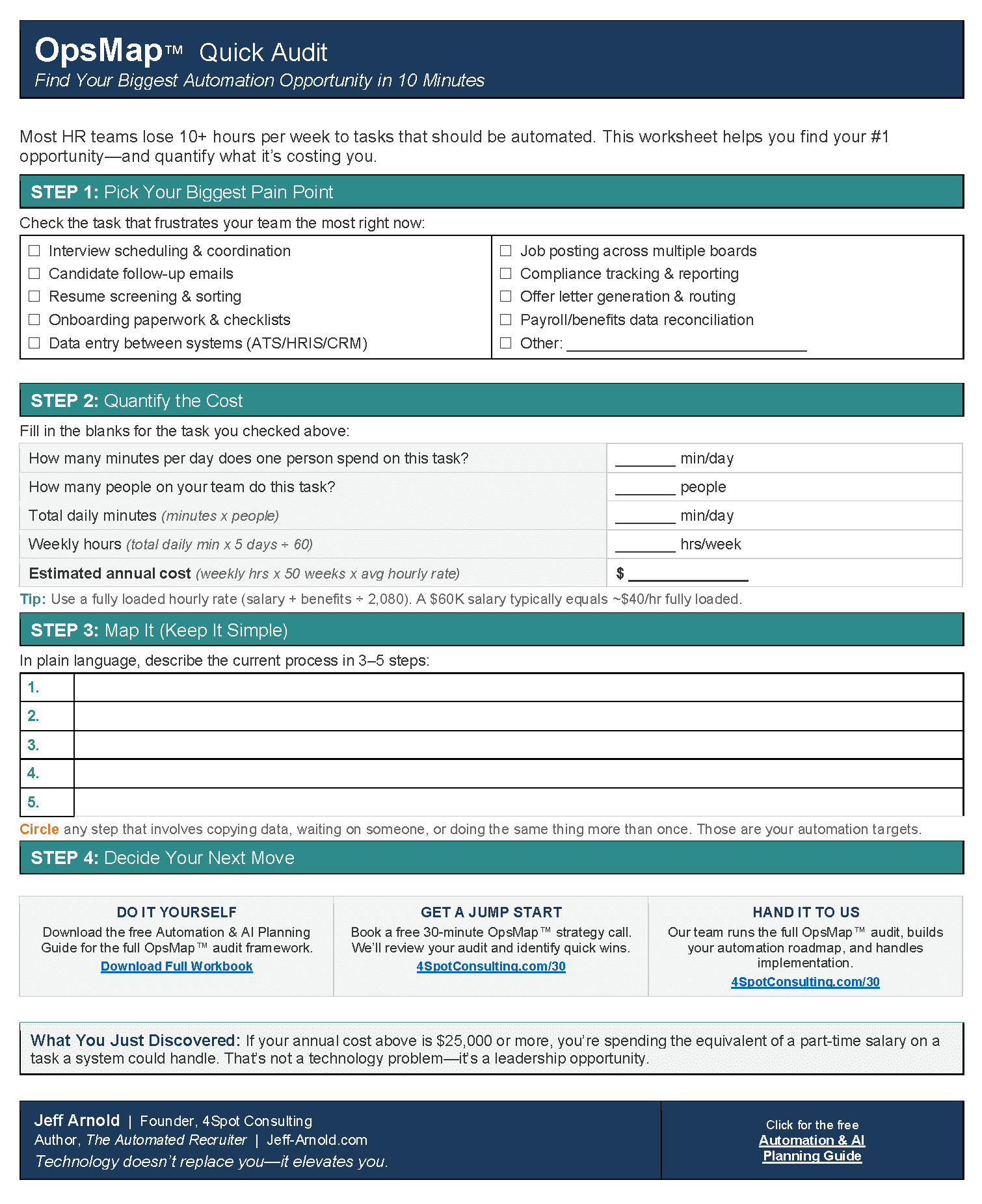
Before implementing any AI solution, it’s crucial to conduct a thorough audit of your existing HR document management processes. Identify the specific pain points, bottlenecks, and areas where manual effort is highest and error rates are significant. This strategic mapping helps define clear objectives for AI implementation and ensures that the technology addresses your most pressing needs, rather than being a solution in search of a problem. This initial assessment often reveals inefficiencies that AI can dramatically alleviate, paving the way for targeted and impactful deployment.
Integrate, Don’t Isolate
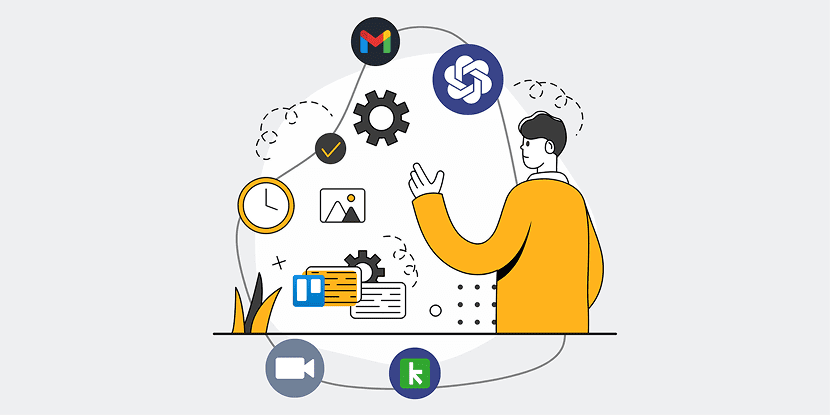
The true power of AI in HR document management is realized when it integrates seamlessly with your existing technology ecosystem. An isolated AI tool, no matter how advanced, will only create another silo. Ensure your chosen AI solution can connect with your HRIS, payroll systems, CRM (such as Keap for comprehensive contact management), and other operational platforms. Tools like Make.com are invaluable for orchestrating these complex integrations, creating a unified “single source of truth” for all HR-related data. This interconnectedness is vital for comprehensive data flow, eliminating duplicate entry and ensuring data consistency across all systems.
Prioritize Data Governance and Training
AI is a powerful tool, but its effectiveness is intrinsically linked to the quality of the data it processes and the understanding of the people who interact with it. Establish robust data governance policies from the outset, clearly defining data ownership, security protocols, and retention schedules. Equally important is providing comprehensive training for HR staff on how to use the AI system effectively, understand its capabilities, and interpret its outputs. Empowering your team with knowledge and ensuring responsible AI usage is paramount for successful adoption and long-term benefits.
The 4Spot Consulting Approach: Building Your AI Foundation
At 4Spot Consulting, we understand that implementing AI in HR isn’t just a tech project—it’s a strategic business transformation. Our OpsMap™ diagnostic identifies precisely where AI can eliminate human error, reduce operational costs, and increase scalability within your HR document workflows. We then leverage our OpsBuild™ framework to implement robust, integrated solutions, often utilizing platforms like Make.com to connect disparate systems and bring your vision to life. The goal is always to save you 25% of your day, freeing up your valuable HR talent to focus on what truly matters: your people.
The strategic implementation of AI in HR document management is no longer a luxury for pioneering companies; it’s a necessity for those committed to efficiency, compliance, and fostering a high-performing workforce. By embracing these best practices, businesses can transform their HR operations, turning administrative burdens into strategic advantages and laying a solid foundation for future growth.
If you would like to read more, we recommend this article: The Definitive Guide to CRM Data Protection and Recovery for Keap Users: Safeguarding Your Business Continuity