A Glossary of Key Terms in the Competitive Automation Landscape
In today’s fast-evolving business world, the intersection of automation, artificial intelligence, and strategic HR practices is no longer a luxury but a necessity for competitive advantage. For HR and recruiting professionals, understanding the core concepts of the “Competitive Automation Landscape” is paramount. This glossary provides clear, authoritative definitions for key terms that empower talent leaders to leverage technology effectively, streamline operations, and ultimately, save valuable time and resources.
Robotic Process Automation (RPA)
Robotic Process Automation, or RPA, refers to the use of software robots to automate repetitive, rule-based digital tasks that typically require human interaction. In an HR context, RPA can automate data entry into HRIS, process large volumes of applications, schedule interviews, or even manage onboarding checklists. By mimicking human clicks and keystrokes, RPA bots can perform tasks faster and with greater accuracy than manual methods, freeing up HR professionals to focus on strategic initiatives like candidate engagement and talent development. Implementing RPA reduces operational costs, minimizes errors, and ensures consistent execution of routine HR processes.
Artificial Intelligence (AI)
Artificial Intelligence (AI) encompasses technologies that enable machines to simulate human-like intelligence, including learning, problem-solving, decision-making, and understanding language. For HR, AI is transformative, powering tools like intelligent resume screening, chatbot assistants for candidate FAQs, predictive analytics for turnover risk, and personalized learning platforms. By analyzing vast datasets, AI can identify patterns and make recommendations that enhance the efficiency and effectiveness of recruiting, onboarding, and employee experience. It shifts HR from reactive to proactive, allowing for data-driven strategic planning and improved talent acquisition outcomes.
Machine Learning (ML)
Machine Learning (ML) is a subset of AI that allows systems to learn from data, identify patterns, and make decisions with minimal human intervention. Unlike traditional programming, ML algorithms improve their performance over time as they are exposed to more data. In recruiting, ML algorithms can analyze historical hiring data to predict which candidates are most likely to succeed, optimize job ad placement, or personalize candidate communications. This capability helps HR teams refine their hiring processes, reduce unconscious bias in initial screenings, and make more accurate predictions about candidate fit and long-term retention.
Natural Language Processing (NLP)
Natural Language Processing (NLP) is an AI discipline focused on enabling computers to understand, interpret, and generate human language. In the competitive automation landscape, NLP is critical for HR and recruiting. It powers tools that can parse resumes for relevant skills and keywords, analyze sentiment in employee feedback, summarize long documents, or facilitate conversational AI chatbots for applicant support. NLP helps extract valuable insights from unstructured text data, making it easier for HR teams to process applications, gauge candidate sentiment, and improve communication efficiency, ultimately enhancing the candidate and employee experience.
Application Programming Interface (API)
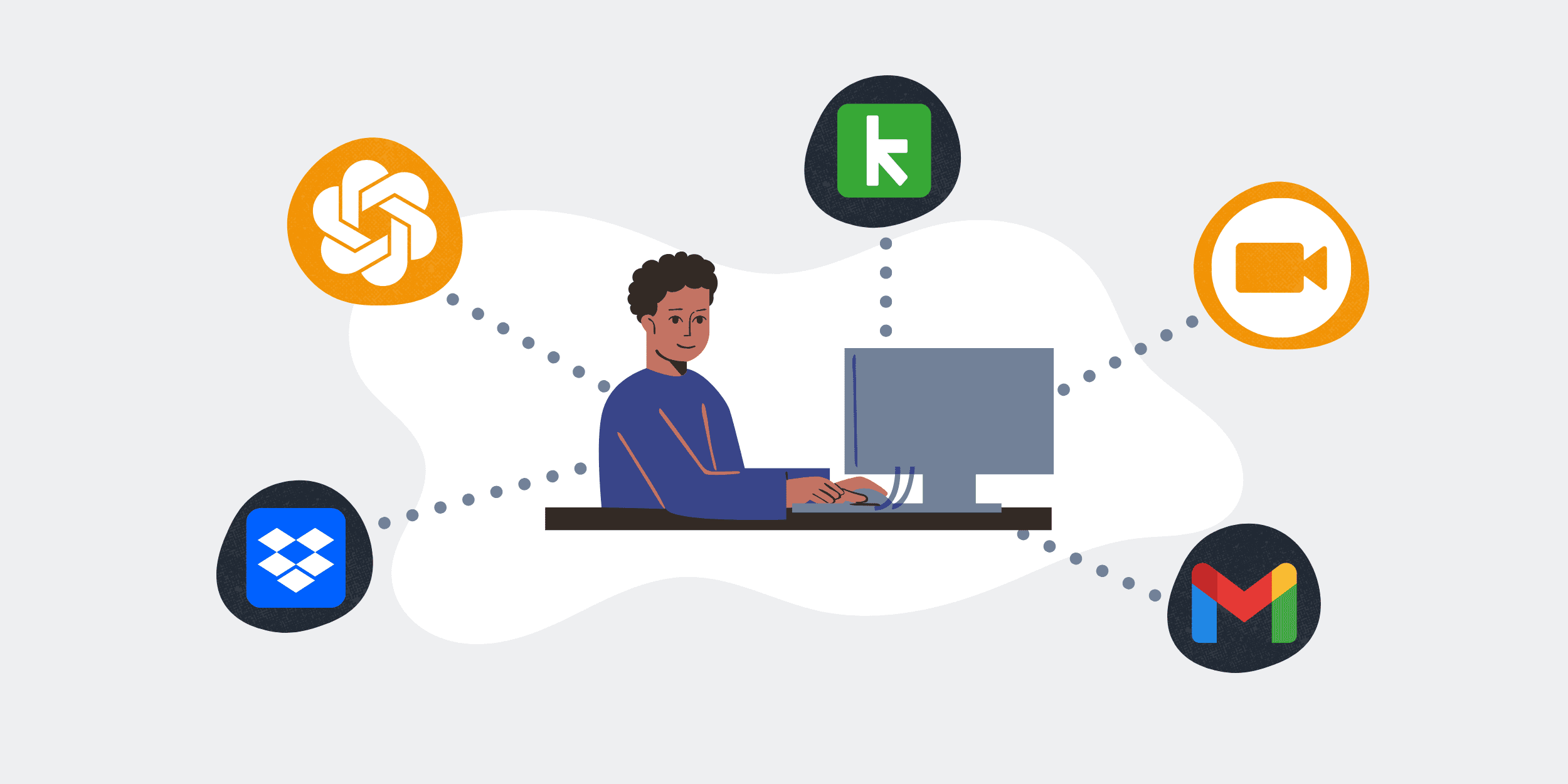
An Application Programming Interface (API) is a set of rules and protocols that allows different software applications to communicate and exchange data with each other. For HR and recruiting professionals, APIs are the backbone of integrated tech stacks. They enable an Applicant Tracking System (ATS) to seamlessly connect with an HRIS, a CRM, a background check provider, or a payroll system. This interoperability eliminates manual data entry, reduces discrepancies, and creates a unified view of candidate and employee data across various platforms. Effective API integration is essential for creating cohesive, automated HR workflows and a “single source of truth” for critical data.
Workflow Automation
Workflow Automation involves designing and implementing automated sequences of tasks that streamline business processes without human intervention. In HR and recruiting, this can range from automating the entire candidate journey—from application submission to offer letter generation—to managing employee onboarding or performance review cycles. By defining specific triggers and actions, workflow automation platforms (like Make.com) ensure tasks are completed consistently, efficiently, and according to established protocols. This reduces administrative burden, accelerates critical HR functions, and allows teams to focus on high-value, strategic work that requires human judgment.
Recruitment Process Automation (RPA in HR)
Recruitment Process Automation, a specific application of RPA within the HR domain, focuses on automating repetitive tasks inherent in the recruitment lifecycle. This includes activities such as initial resume screening against job requirements, sending automated interview invitations, performing background check requests, and generating offer letters. By offloading these high-volume, low-complexity tasks to bots, recruiters can dedicate more time to engaging with top talent, building relationships, and making strategic hiring decisions. RPA in HR significantly speeds up time-to-hire, reduces manual errors, and improves overall candidate experience through faster communication.
Applicant Tracking System (ATS)
An Applicant Tracking System (ATS) is a software application designed to help recruiters and employers manage the entire recruitment process. From posting job openings and collecting resumes to screening candidates, scheduling interviews, and tracking progress, an ATS centralizes all hiring activities. Modern ATS platforms often integrate with AI for better candidate matching and analytics. For HR professionals, an ATS is crucial for managing large applicant volumes, ensuring compliance, and providing an organized database of candidate information, ultimately optimizing the efficiency and effectiveness of their talent acquisition strategy.
Candidate Relationship Management (CRM)
A Candidate Relationship Management (CRM) system is a tool used by recruiting teams to manage and nurture relationships with potential candidates, similar to how sales teams use CRMs for customer leads. Unlike an ATS, which focuses on active applicants, a recruiting CRM is for proactive talent pooling and engagement, allowing companies to build a pipeline of qualified candidates for future roles. It tracks interactions, communication history, and candidate preferences, enabling personalized outreach and long-term engagement. For HR, a robust CRM is vital for strategic talent acquisition, fostering relationships with passive candidates, and building a strong employer brand.
HR Information System (HRIS)
An HR Information System (HRIS) is a software solution that combines a number of systems and processes to ensure the effective management of an organization’s human resources. It typically integrates functionalities such as payroll, benefits administration, time and attendance, talent management, and core HR data. For HR and recruiting professionals, an HRIS serves as the central repository for all employee data, from hiring to retirement. It streamlines administrative tasks, improves data accuracy, ensures compliance, and provides powerful analytics for workforce planning and strategic decision-making, serving as a single source of truth for employee information.
Low-Code/No-Code Platforms
Low-Code/No-Code platforms empower users, including HR professionals, to build applications and automate workflows with minimal or no traditional programming. Low-code platforms use visual interfaces with pre-built components and drag-and-drop functionality, while no-code solutions require no coding whatsoever. These platforms democratize automation, allowing HR teams to quickly create custom tools, integrate systems, and automate processes without relying heavily on IT departments. This agility enables rapid development of solutions for specific HR challenges, such as custom onboarding portals, streamlined approval processes, or ad-hoc data reporting, significantly speeding up digital transformation initiatives.
Digital Transformation
Digital Transformation refers to the adoption of digital technology to fundamentally change how an organization operates and delivers value to customers. For HR and recruiting, this means moving beyond paper-based processes and siloed systems to embrace integrated, automated, and AI-powered solutions across all talent functions. It’s not just about implementing new technology but about a cultural shift towards digital-first thinking. Successful digital transformation in HR leads to enhanced candidate experiences, increased operational efficiency, better data-driven insights, and the ability to attract and retain top talent in a rapidly changing competitive landscape.
Predictive Analytics (in HR)
Predictive Analytics in HR involves using statistical algorithms and machine learning techniques to analyze historical and current data to forecast future HR outcomes. This can include predicting employee turnover risk, identifying high-potential candidates, forecasting staffing needs, or assessing the impact of new HR initiatives. For HR and recruiting professionals, predictive analytics provides powerful insights that enable proactive decision-making. Instead of reacting to problems, HR can anticipate challenges, optimize talent strategies, and allocate resources more effectively, thereby reducing costs and improving overall organizational performance.
Hyperautomation
Hyperautomation is a business-driven approach to rapidly identify, vet, and automate as many business and IT processes as possible. It extends beyond traditional RPA by combining multiple advanced technologies like AI, Machine Learning, intelligent process automation (IPA), and process mining. In HR, hyperautomation means creating an interconnected ecosystem where various systems and AI tools work together seamlessly to automate complex, end-to-end processes, not just individual tasks. This holistic approach significantly boosts efficiency, reduces human error across the entire talent lifecycle, and unlocks new levels of operational agility for competitive advantage.
System Integrations
System Integrations refer to the process of connecting disparate IT systems, applications, or data sources so they can function together as a unified whole. In the HR and recruiting technology stack, integration is paramount for eliminating data silos and ensuring seamless information flow between an ATS, HRIS, payroll system, CRM, and other tools. Leveraging APIs and integration platforms (like Make.com), companies can automate data synchronization, trigger workflows across different systems, and ensure data consistency. Effective system integration is fundamental for creating efficient, error-free HR operations and providing a holistic view of talent data.
If you would like to read more, we recommend this article: Make.com Pricing: A Comprehensive Comparison