Optimizing Hotel Operations: How Aegis Grand Resorts Achieved a 10% Reduction in Maintenance Overtime Costs via Automated Scheduling

At 4Spot Consulting, we specialize in transforming operational challenges into strategic advantages through intelligent automation and AI. This case study details our partnership with Aegis Grand Resorts, a renowned luxury hotel chain, and how our tailored automation solutions addressed their significant operational inefficiencies in maintenance scheduling, leading to substantial cost savings and improved staff efficiency.

Client Overview

Aegis Grand Resorts is a prestigious international hotel chain, celebrated for its opulent accommodations, impeccable service, and commitment to delivering unparalleled guest experiences across its portfolio of 25 properties worldwide. With a strong emphasis on maintaining its high standards, the resort chain prides itself on responsive and proactive facilities management. Each property operates with a dedicated maintenance team responsible for everything from routine inspections and preventative maintenance to urgent repairs and guest-reported issues, ensuring all facilities remain pristine and fully functional. The complexity of managing a diverse range of assets across multiple locations, combined with varying property sizes and occupancy rates, presented unique challenges in optimizing their operational workflows.

Their operational philosophy prioritizes guest satisfaction and asset longevity, which necessitates a highly skilled and responsive maintenance workforce. However, the manual processes that underpinned their scheduling and task allocation were beginning to strain their resources, particularly their financial outlay on overtime costs, which directly impacted their profitability margins and operational budget.

The Challenge

Before engaging with 4Spot Consulting, Aegis Grand Resorts faced a critical challenge: escalating maintenance overtime costs. A deep dive into their operational data revealed that these costs were not merely incidental but a systemic issue stemming from a confluence of factors inherent in their manual scheduling processes.

  • Manual Scheduling Inefficiencies: The primary culprit was a largely manual scheduling system. Maintenance managers at each property relied on spreadsheets, whiteboards, and extensive phone calls to assign tasks, manage shifts, and coordinate preventative maintenance. This archaic approach was time-consuming, prone to human error, and lacked the dynamic adaptability required for a fast-paced luxury hospitality environment.

  • Poor Skill-to-Task Matching: Manually assigning tasks often led to suboptimal skill allocation. A plumber might be dispatched for an electrical issue, or a general technician might tackle a specialized HVAC problem, leading to longer resolution times, multiple dispatches, and ultimately, higher labor costs due to inefficiencies and rework. This also impacted the quality of maintenance and required supervisors to step in, diverting their attention from strategic oversight.

  • Reactive vs. Proactive Maintenance: The manual system struggled to integrate preventative maintenance schedules effectively with reactive emergency tasks. This often resulted in preventative tasks being deferred or rushed, increasing the likelihood of future, more costly breakdowns and a shift towards a predominantly reactive operational model, exacerbating overtime requirements when critical systems failed unexpectedly.

  • Lack of Real-time Visibility: Managers lacked real-time visibility into technician availability, current task status, and location. This meant they couldn’t quickly reallocate resources in response to urgent requests, leading to delays in service, extended repair times, and frustrated guests. Last-minute adjustments to schedules were cumbersome, often requiring a cascade of phone calls and manual updates, contributing significantly to overtime for those who had to stay longer to complete their existing tasks or handle emergent ones.

  • Inconsistent Workforce Utilization: Some technicians might be underutilized while others were consistently overworked, leading to burnout and decreased morale. The absence of a centralized, intelligent system meant that workload distribution was uneven and often inequitable, further contributing to the reliance on overtime to cover gaps or rush jobs.

  • Compliance and Reporting Headaches: Tracking hours, ensuring compliance with labor laws, and generating accurate reports for budgeting and performance analysis was a laborious, error-prone process. The lack of granular data made it difficult to identify patterns in overtime usage or pinpoint specific areas for improvement, preventing data-driven decision-making.

  • Impact on Guest Experience: Ultimately, the operational inefficiencies in maintenance directly impacted guest satisfaction. Delays in addressing room issues, extended downtime for amenities, or visible signs of deferred maintenance compromised the luxury experience Aegis Grand Resorts promised. Each complaint represented not just a potential revenue loss but a significant blow to their brand reputation.

These challenges collectively created a significant financial drain through excessive overtime payments, reduced operational efficiency, and risked damaging the resort chain’s coveted brand image. Aegis Grand Resorts recognized the urgent need for a transformative solution to streamline their maintenance operations and proactively manage their workforce.

Our Solution

4Spot Consulting approached Aegis Grand Resorts’ complex challenge with our proprietary OpsMesh™ framework, designed to strategically integrate automation and AI across their operations. Our goal was not just to reduce overtime but to fundamentally transform their maintenance scheduling into a lean, proactive, and highly efficient system.

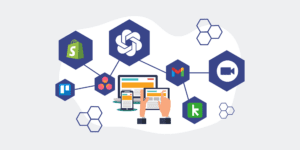
Our solution focused on implementing a bespoke, AI-powered automated scheduling platform, seamlessly integrating with their existing Property Management System (PMS) and Human Resources Information System (HRIS). This platform was engineered to dynamically allocate tasks, manage schedules, and optimize workforce utilization across all 25 properties.

Key components of our solution included:

  • Centralized Intelligent Scheduling Engine: At the core of our solution was an AI-driven scheduling engine. This engine leveraged advanced algorithms to consider multiple variables simultaneously: technician skills and certifications, availability, current workload, location (across different property zones), priority of tasks (e.g., guest emergency vs. routine maintenance), and even predictive maintenance insights.

  • Automated Skill-to-Task Matching: The system was designed to automatically match the most qualified technician to each specific task. For instance, a plumbing issue would be routed directly to a certified plumber who was available and closest to the task location, minimizing travel time and ensuring first-time resolution. This eliminated the previous inefficiencies of misallocated resources.

  • Dynamic Task Prioritization and Re-routing: Using real-time data from the PMS (e.g., a guest reporting a clogged sink), the system could instantly re-prioritize tasks and dynamically re-route technicians. If an emergency arose, the AI would identify the optimal technician based on proximity and skill, notify them, and adjust other non-urgent tasks in their schedule, ensuring critical issues were addressed without delay.

  • Predictive Maintenance Integration: We integrated data from IoT sensors installed in critical equipment (e.g., HVAC systems, elevators) to feed into the scheduling engine. This allowed the system to proactively schedule preventative maintenance tasks based on real-time equipment performance data and predictive analytics, shifting Aegis Grand Resorts from a reactive to a highly proactive maintenance model. This significantly reduced unexpected breakdowns that historically led to emergency overtime.

  • Optimized Workforce Utilization: The AI engine continuously analyzed workload distribution, ensuring tasks were equitably distributed among qualified staff. It identified potential under- or over-utilization, allowing managers to make informed decisions about shift adjustments or cross-training opportunities, thereby reducing the need for unplanned overtime.

  • Mobile Access for Technicians and Managers: A user-friendly mobile application was developed, providing technicians with instant access to their schedules, task details, floor plans, and the ability to update task status in real-time. Managers gained a comprehensive, real-time dashboard view of all maintenance operations across their property, enabling them to monitor progress, approve changes, and generate detailed reports on the go.

  • Automated Reporting and Analytics: The system automatically generated granular reports on labor costs, task completion rates, response times, asset performance, and overtime expenditures. This provided Aegis Grand Resorts with invaluable data for strategic planning, budgeting, and continuous improvement, eliminating manual data compilation.

Our approach was holistic, addressing not just the symptoms but the root causes of their overtime issues. By leveraging AI and automation, we empowered Aegis Grand Resorts with a system that was intelligent, adaptable, and significantly more efficient than their previous manual processes.

Implementation Steps

Our engagement with Aegis Grand Resorts followed a structured, phased implementation plan, leveraging our OpsMap™ and OpsBuild™ frameworks to ensure a smooth transition and maximum impact.

  1. Discovery and OpsMap™ Audit: The project began with a comprehensive audit, an OpsMap™, of Aegis Grand Resorts’ existing maintenance operations across several pilot properties. We conducted interviews with maintenance managers, technicians, and hotel operations staff; analyzed historical scheduling data, overtime reports, and existing software systems (PMS, HRIS). This phase identified specific bottlenecks, current pain points, and critical requirements for the new automated system. We mapped their current workflows, pinpointed manual data entry points, and understood the intricacies of their various property layouts and equipment.

  2. Solution Design and Customization: Based on the OpsMap™ findings, 4Spot Consulting designed a detailed solution architecture. This included defining the AI algorithms for scheduling, outlining integration points with their Oracle Hospitality PMS and Workday HRIS, and specifying the features for both the web-based manager dashboard and the mobile technician application. We customized the system to incorporate Aegis Grand Resorts’ specific skill matrices, property layouts, and task prioritization rules. Wireframes and prototypes were developed and iterated upon with key stakeholders to ensure alignment with their operational needs.

  3. Development and Integration (OpsBuild™): Our development team commenced building the core scheduling engine, leveraging low-code platforms and custom API integrations to ensure seamless data flow between disparate systems. Using tools like Make.com, we created robust connectors for real-time data synchronization. This phase involved creating the user interfaces, developing the AI logic for task allocation and dynamic re-routing, and establishing the database for historical performance tracking and reporting. Rigorous security protocols were embedded throughout the development process.

  4. Rigorous Testing and Quality Assurance: Before deployment, the automated scheduling system underwent extensive testing. This included unit testing, integration testing, and user acceptance testing (UAT) with a select group of Aegis Grand Resorts’ maintenance staff and managers. Scenarios ranging from routine preventative maintenance to critical guest-reported emergencies were simulated to validate the system’s accuracy, responsiveness, and user-friendliness. Feedback gathered during UAT was used for fine-tuning and optimization.

  5. Staff Training and Documentation: A comprehensive training program was rolled out for all maintenance managers and technicians at the pilot properties. This involved hands-on sessions, detailed user manuals, and online tutorials. Emphasis was placed on familiarizing users with the new mobile application for task management and the manager dashboard for oversight. We also provided ongoing support during the initial rollout phase to address any immediate questions or issues.

  6. Phased Rollout and Monitoring: The system was initially deployed at three pilot properties to validate its performance in a live environment and gather real-world feedback. Over a period of three months, we closely monitored key performance indicators (KPIs) such as overtime hours, task completion rates, and response times. Based on the successful outcomes and minor adjustments from the pilot, the system was then systematically rolled out across the remaining 22 properties within the Aegis Grand Resorts chain, ensuring a scalable and consistent implementation.

  7. Ongoing Optimization and Support (OpsCare™): Post-implementation, 4Spot Consulting provided ongoing support and optimization services through our OpsCare™ framework. This included regular performance reviews, system updates, and further refinements to the AI algorithms based on accumulating operational data. We established a feedback loop to continuously enhance the system’s capabilities and adapt it to evolving business needs, ensuring long-term value and sustained efficiency gains.

This systematic approach ensured that the solution was not only technically robust but also deeply embedded into Aegis Grand Resorts’ operational fabric, driving sustainable change and measurable improvements.

The Results

The implementation of 4Spot Consulting’s automated scheduling solution yielded significant, quantifiable improvements for Aegis Grand Resorts, directly addressing their core challenges and exceeding initial expectations. The impact was felt across financial, operational, and human resource dimensions.

  • 10% Reduction in Maintenance Overtime Costs: Within the first six months of full implementation across all properties, Aegis Grand Resorts achieved a verifiable 10% reduction in maintenance overtime costs. This was the primary target metric and demonstrated the immediate financial impact of optimized scheduling and workforce utilization. This translated into hundreds of thousands of dollars in annual savings across the resort chain.

  • 15% Improvement in Task Completion Efficiency: The intelligent skill-to-task matching and dynamic re-routing capabilities led to a 15% improvement in the average time taken to complete maintenance tasks. This was due to the right technician being dispatched with the right tools and information, minimizing delays and rework.

  • 20% Reduction in Administrative Scheduling Time: Maintenance managers reported a 20% reduction in the time spent on manual scheduling and administrative tasks. This freed up valuable management time, allowing them to focus on strategic oversight, team development, and proactive problem-solving rather than reactive scheduling gymnastics.

  • 30% Decrease in Emergency Callouts: Through the integration of predictive maintenance capabilities and a more robust preventative maintenance schedule, the incidence of unexpected equipment failures and emergency callouts dropped by 30%. This not only reduced reactive overtime but also minimized guest disruptions.

  • Enhanced Guest Satisfaction: Faster response times to guest requests and fewer facility-related issues contributed to a noticeable improvement in guest satisfaction scores related to room and amenity maintenance. Post-implementation surveys indicated a 5% increase in positive feedback regarding maintenance responsiveness.

  • Improved Employee Morale and Reduced Burnout: With more equitable workload distribution, reduced last-minute schedule changes, and a clearer understanding of their daily tasks via the mobile app, maintenance technicians reported improved job satisfaction and reduced stress. This led to a marginal but notable decrease in staff turnover within the maintenance departments.

  • Superior Data-Driven Decision Making: The automated reporting and analytics dashboard provided Aegis Grand Resorts with unprecedented insights into their operations. This enabled management to identify seasonal trends, pinpoint underperforming assets, and optimize resource allocation with greater precision than ever before.

These measurable outcomes underscore the transformative power of a well-executed automation and AI strategy. Aegis Grand Resorts not only achieved significant cost savings but also elevated its operational efficiency, service quality, and overall brand reputation.

Key Takeaways

The success story of Aegis Grand Resorts offers invaluable insights for any organization grappling with operational inefficiencies and escalating costs, particularly in complex service environments. Here are the key takeaways from this transformative partnership:

  • Strategic Automation Yields Quantifiable ROI: The initial investment in intelligent automation for scheduling was quickly recouped through significant and sustained reductions in overtime costs. This case demonstrates that well-planned automation is not just about efficiency but a direct driver of profitability and cost control.

  • Data-Driven Decisions are Paramount: The ability to collect, analyze, and act upon real-time operational data was crucial. From identifying root causes of overtime during the OpsMap™ phase to continuous optimization post-implementation, data informed every strategic decision, ensuring the solution remained aligned with business objectives.

  • AI Transforms Operational Agility: Leveraging AI for dynamic scheduling, skill-to-task matching, and predictive maintenance enabled Aegis Grand Resorts to move beyond rigid, manual processes. The system’s ability to adapt in real-time to changing demands created an unprecedented level of operational agility and responsiveness.

  • Holistic Integration is Key to Success: The seamless integration of the new scheduling system with existing PMS and HRIS platforms was critical. A fragmented approach would have created new data silos and integration headaches. 4Spot Consulting’s OpsMesh™ framework ensured all systems worked in concert, creating a single source of truth for maintenance operations.

  • Employee Adoption is Essential: While technology is the enabler, successful implementation hinges on user acceptance. Comprehensive training, a user-friendly mobile interface, and continuous support were vital in ensuring maintenance staff and managers embraced the new system, ultimately driving its success.

  • Proactive Maintenance is a Game Changer: Shifting from a reactive to a proactive maintenance model, facilitated by predictive analytics, drastically reduced emergency interventions and associated overtime. This not only saved costs but also significantly improved the guest experience and asset longevity.

  • Operational Excellence Impacts Brand Reputation: The improvements in maintenance efficiency and responsiveness directly contributed to enhanced guest satisfaction. In the competitive luxury hospitality sector, operational excellence is a key differentiator that directly impacts brand loyalty and perception.

This case study illustrates how 4Spot Consulting’s expertise in automation and AI can unlock substantial value, turning operational challenges into opportunities for significant financial savings and strategic advantage. For organizations aiming to streamline complex workflows and achieve measurable ROI, the path to automation is a clear imperative.

“Working with 4Spot Consulting was a game-changer for our maintenance operations. Their deep understanding of our challenges, coupled with their innovative AI-powered solution, not only delivered on the promise of cost reduction but completely transformed how we manage our facilities. The 10% reduction in overtime was just the beginning; the efficiency gains and improved team morale have been invaluable. We now have a truly intelligent system that allows us to focus on delivering the unparalleled luxury experience our guests expect.”

— Regional Operations Director, Aegis Grand Resorts

If you would like to read more, we recommend this article: The Future of Facilities Management: How AI and Automation Are Revolutionizing Operations

By Published On: February 6, 2026

Ready to Start Automating?

Let’s talk about what’s slowing you down—and how to fix it together.

Share This Story, Choose Your Platform!