Post: Boosting Employee Satisfaction: The AI HR Revolution
Elevating Employee Experience: The Direct Link Between AI HR Support and Satisfaction Scores
In today’s competitive landscape, employee experience (EX) has emerged as a critical differentiator, directly impacting retention, productivity, and overall business success. Yet, many organizations struggle to provide the seamless, responsive HR support that employees now expect, leading to frustration, disengagement, and a tangible dip in satisfaction scores. The traditional HR model, often bogged down by manual processes and repetitive queries, simply cannot keep pace with the demands of a modern workforce. This isn’t just an inconvenience; it’s a strategic bottleneck that saps valuable time from both employees seeking answers and HR professionals who could be focusing on higher-value initiatives.
The solution isn’t to hire more HR staff, nor is it to simply throw more tools at the problem. It lies in strategically integrating advanced technologies, particularly AI, to revolutionize HR support. At 4Spot Consulting, we’ve observed firsthand how intelligent automation can transform the HR function from a cost center into a powerful driver of employee satisfaction, delivering efficiency that resonates directly with the daily working lives of every team member. It’s about moving beyond simply answering questions to proactively enhancing every interaction an employee has with their organization’s support infrastructure.
The Unseen Burden on Employee Experience
Consider the typical employee journey: a new hire navigating onboarding paperwork, an established team member requesting time off, or someone seeking clarity on benefits. Each interaction, if clunky or delayed, chips away at their experience. Manual processes mean long wait times for answers, inconsistent information, and a sense that HR is a barrier, not a support system. When employees repeatedly encounter these friction points, their perception of the company’s commitment to their well-being dwindles. This isn’t just anecdotal; studies consistently show a strong correlation between efficient internal support systems and higher employee satisfaction and engagement. The hidden cost of a subpar HR experience manifests in reduced morale, increased absenteeism, and ultimately, a higher turnover rate, costing businesses substantial amounts in recruitment and training.
Traditional HR systems, while digitizing some processes, often fall short of true automation and intelligent interaction. They might store documents online, but they rarely provide intuitive, instantaneous access to personalized information or proactive support. This creates an invisible layer of administrative burden that employees are forced to shoulder, detracting from their core responsibilities and leaving them feeling undervalued. Our work with various organizations, from startups to Fortune 500s, consistently reveals that the most significant pain points in HR are often rooted in these manual, repetitive tasks that consume disproportionate time and effort, for both the employee and the HR department.
How AI Transforms HR Support from Reactive to Proactive
Artificial intelligence offers a transformative approach to these challenges, shifting HR support from a reactive, bottlenecked function to a proactive, empowering one. Imagine employees receiving instant, accurate answers to common queries through an AI-powered chatbot, available 24/7. This immediate access to information, from policy details to benefits inquiries, significantly reduces frustration and allows employees to resolve issues quickly, without waiting for an HR representative to become available. Beyond simple FAQs, AI can personalize responses based on an employee’s role, location, or past interactions, creating a more relevant and efficient support experience.
But AI’s impact extends far beyond chatbots. It can automate routine administrative tasks like payroll processing, leave requests, and document generation, freeing up HR professionals to focus on strategic initiatives such as talent development, employee relations, and culture building. AI-driven analytics can also identify trends in employee sentiment and HR query patterns, allowing organizations to proactively address systemic issues before they escalate. This data-driven insight enables HR departments to move from merely reacting to problems to strategically shaping a better employee experience. For example, if a surge in queries about a specific benefit is detected, AI can prompt HR to provide clearer communication or conduct a town hall to address concerns.
From Efficiency to Engagement: The Satisfaction Dividend
The direct link between AI-powered HR support and elevated satisfaction scores is clear: when employees feel heard, supported, and unburdened by administrative hurdles, their engagement and loyalty naturally increase. Efficient HR processes translate into less time spent on non-core activities, allowing employees to dedicate more energy to their primary roles and strategic objectives. This improved efficiency doesn’t just save time; it fosters a sense of psychological safety and value. Employees perceive the organization as caring about their well-being and investing in tools that make their work life easier.
When HR can operate with greater agility and focus on strategic initiatives, it cultivates a more positive and productive work environment. The cumulative effect of timely responses, personalized support, and seamless administrative processes is a workforce that feels empowered, respected, and connected to the company’s mission. Higher satisfaction scores become a natural outcome, leading to reduced turnover, enhanced collaboration, and ultimately, a stronger bottom line. This is a crucial shift: AI in HR isn’t just about cutting costs; it’s about investing in the human capital that drives organizational success, creating an environment where employees can thrive.
Strategic Implementation: Beyond the Hype, Towards Outcomes
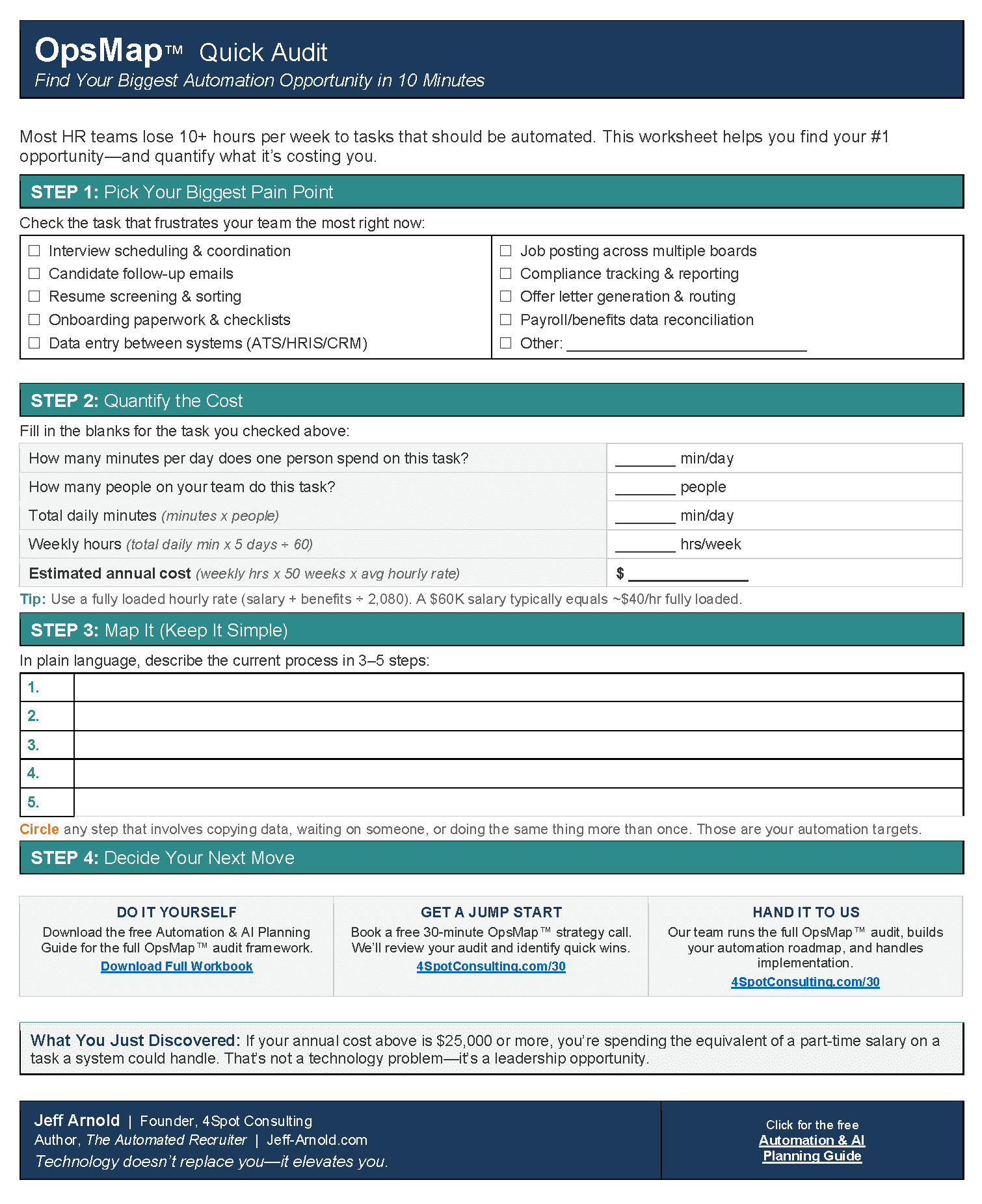
Implementing AI in HR isn’t a one-size-fits-all endeavor. It requires a strategic, outcomes-focused approach that goes beyond simply adopting new technology. At 4Spot Consulting, our OpsMap™ framework begins with a deep dive into your existing HR workflows, identifying inefficiencies and pinpointing opportunities where AI and automation can deliver the greatest ROI. We don’t just recommend tools; we craft comprehensive solutions tailored to your unique organizational structure and employee needs.
Our methodology, embodied in the OpsMesh™ strategy, ensures that AI-powered HR support systems are seamlessly integrated with your existing infrastructure, creating a cohesive and intelligent ecosystem. This means connecting dozens of SaaS systems via platforms like Make.com, ensuring a single source of truth for employee data, and building automations that eliminate human error. The goal is to create systems that just work, allowing your HR team to elevate their role from administrative burden-bearers to strategic partners in employee success. We’ve seen firsthand how an HR tech client saved over 150 hours per month by automating resume intake and parsing using Make.com and AI, demonstrating the tangible impact of well-executed automation.
Unlock a Superior Employee Experience
Elevating employee experience is no longer a luxury; it’s a strategic imperative for any organization aiming for sustained growth and a competitive edge. By leveraging AI to provide responsive, personalized, and efficient HR support, businesses can significantly boost employee satisfaction, foster greater engagement, and ultimately build a more resilient and productive workforce. This isn’t just about technology; it’s about strategically investing in your most valuable asset: your people. Ready to transform your HR function and deliver an unparalleled employee experience? Book your OpsMap™ call today to uncover the automation opportunities within your organization.
If you would like to read more, we recommend this article: Mastering HR Automation: Your Blueprint for Modern Employee Experience

RELATED POST