Post: AI-Powered HR Self-Service: Instant Answers, Strategic Impact
Employee Self-Service 2.0: Leveraging AI for Instant HR Answers
The modern workplace operates at an unprecedented pace. Employees expect immediate answers, personalized experiences, and frictionless access to information. Yet, for many organizations, the HR department remains a bottleneck, often swamped with repetitive queries about benefits, policies, time-off requests, or payroll. This isn’t merely an inconvenience; it’s a drag on productivity, a source of employee frustration, and a significant drain on valuable HR resources.
Traditional Employee Self-Service (ESS) portals were a step in the right direction, providing static repositories of information. But their limitations are glaring in today’s dynamic environment. Users often struggle to navigate complex menus, find outdated policies, or simply can’t locate the specific answer they need amongst a sea of documents. The result? Employees default to calling HR, creating a never-ending cycle of low-value, high-volume tasks that prevent HR professionals from focusing on strategic initiatives.
The Evolution to ESS 2.0: Beyond Static FAQs
At 4Spot Consulting, we believe that true efficiency comes from intelligently automating the mundane. This philosophy drives our approach to what we call “Employee Self-Service 2.0.” This isn’t just an upgraded portal; it’s a paradigm shift, powered by the transformative capabilities of Artificial Intelligence. Imagine a system that doesn’t just store information but understands queries, learns from interactions, and delivers precise, instant answers – 24/7.
ESS 2.0 leverages AI, specifically natural language processing (NLP) and machine learning, to create intelligent virtual assistants or chatbots that act as the first line of defense for employee queries. These AI agents can interpret nuanced questions, pull relevant information from various internal systems (HRIS, payroll, knowledge bases), and even initiate workflows for common requests, all without human intervention. This radically streamlines the employee experience and liberates HR teams from the tyranny of the inbox.
How AI Transforms the Employee Experience
Consider the typical employee journey. A new hire might have dozens of questions about onboarding, company culture, or IT setup. A seasoned employee might need clarification on a specific benefits package, a form for a leave of absence, or details about a new company policy. In a traditional setup, each of these queries means either searching through an unwieldy portal or contacting HR directly, leading to delays and potential miscommunications.
With AI-powered ESS 2.0, these interactions are transformed:
- Instant Gratification: Employees receive immediate, accurate answers to their questions, often within seconds, eliminating waiting times and improving satisfaction.
- Personalized Journeys: AI can recognize the employee’s role, location, and previous interactions to tailor responses and provide context-specific information, making every interaction feel personalized.
- 24/7 Accessibility: Whether an employee is working remotely, in a different time zone, or simply has a question outside of business hours, the AI assistant is always available.
- Multi-Channel Support: AI can be integrated across various platforms – internal communication tools, dedicated ESS portals, or even mobile apps – meeting employees where they are.
- Reduced Errors: By pulling information directly from authoritative sources, AI minimizes the risk of human error or misinterpretation of policies.
The Strategic Advantage for HR and the Business
Beyond individual employee benefits, ESS 2.0 offers profound strategic advantages for HR departments and the business as a whole. Our experience in automating business systems, like helping an HR tech client save over 150 hours per month by automating resume intake and parsing, demonstrates the tangible impact of smart automation.
For HR leaders, implementing AI in self-service means:
- Reclaiming Time: HR professionals are freed from answering repetitive questions, allowing them to focus on high-value activities like talent development, strategic planning, employee engagement, and complex employee relations issues.
- Data-Driven Insights: AI systems collect data on query types, common pain points, and user satisfaction, providing invaluable insights that can inform policy changes, training needs, and future HR initiatives.
- Scalability: As your company grows, an AI-powered ESS scales effortlessly. It can handle an increasing volume of queries without requiring a proportional increase in HR staff.
- Improved Compliance: Consistent, accurate information delivery ensures that employees receive correct policy details, reducing the risk of non-compliance issues.
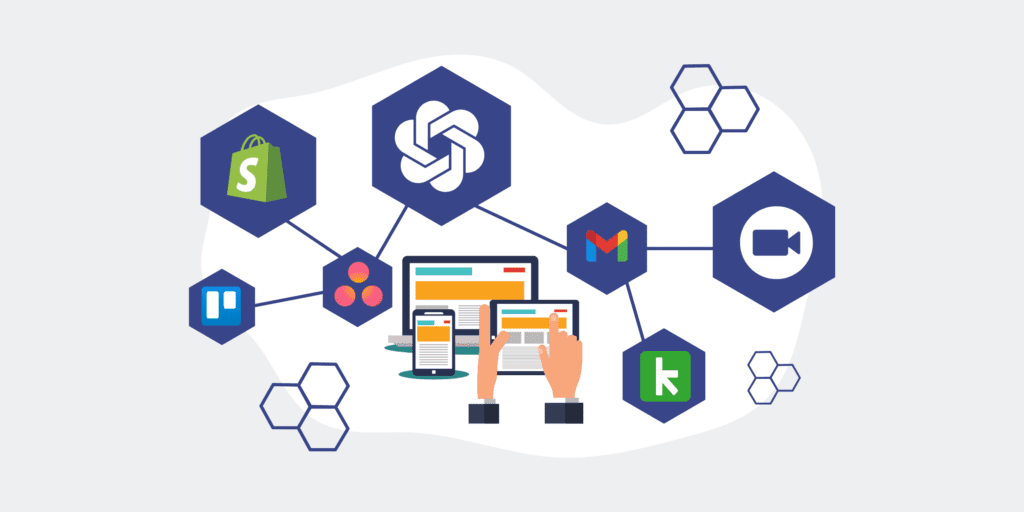
At 4Spot Consulting, our OpsMesh framework guides this integration. We don’t just implement technology; we strategize. Through an OpsMap diagnostic, we pinpoint exactly where your current HR processes are creating bottlenecks and where AI can deliver the most significant ROI. Then, with OpsBuild, we implement and integrate these intelligent systems, ensuring they connect seamlessly with your existing tools, often leveraging powerful platforms like Make.com to orchestrate complex workflows.
The shift to Employee Self-Service 2.0 is not merely about adopting new technology; it’s about evolving your HR function to be more responsive, efficient, and strategically aligned with your business goals. It’s about creating an environment where employees feel supported and empowered, and where HR professionals can finally operate at the peak of their strategic capabilities. This is how we help high-growth B2B companies eliminate human error, reduce operational costs, and increase scalability, saving them 25% of their day.
Ready to uncover automation opportunities that could save your HR team 25% of their day and transform your employee experience? Book your OpsMap™ call today.
If you would like to read more, we recommend this article:


RELATED POST