How to Automate Your Employee Onboarding Process: A Step-by-Step Guide
Manual employee onboarding is a notorious bottleneck, consuming valuable HR time, increasing administrative errors, and often leading to a suboptimal new hire experience. For high-growth businesses, these inefficiencies don’t just slow things down—they directly impact scalability and employee retention. This guide outlines a strategic approach to transforming your onboarding into an automated, error-free, and highly engaging process, allowing your HR and operations teams to focus on strategic initiatives rather than repetitive tasks. We empower organizations to leverage low-code automation and AI to eliminate these pain points, saving upwards of 25% of your day.
Step 1: Define Your Current Onboarding Workflow and Identify Pain Points
Before any automation can begin, a thorough understanding of your existing onboarding process is crucial. Map out every step, from the moment a candidate accepts an offer to their full integration into the team. Document all stakeholders, documents, systems, and manual touchpoints involved. Pay close attention to areas where delays occur, information is duplicated, errors are frequent, or tasks are highly repetitive and time-consuming. This diagnostic phase is akin to our OpsMap™ audit, revealing precisely where human error is introduced and where significant time savings can be achieved. Pinpointing these inefficiencies upfront ensures that your automation efforts target the most impactful areas, setting a clear foundation for measurable improvement and ROI.
Step 2: Identify Automation Opportunities and Select the Right Tools
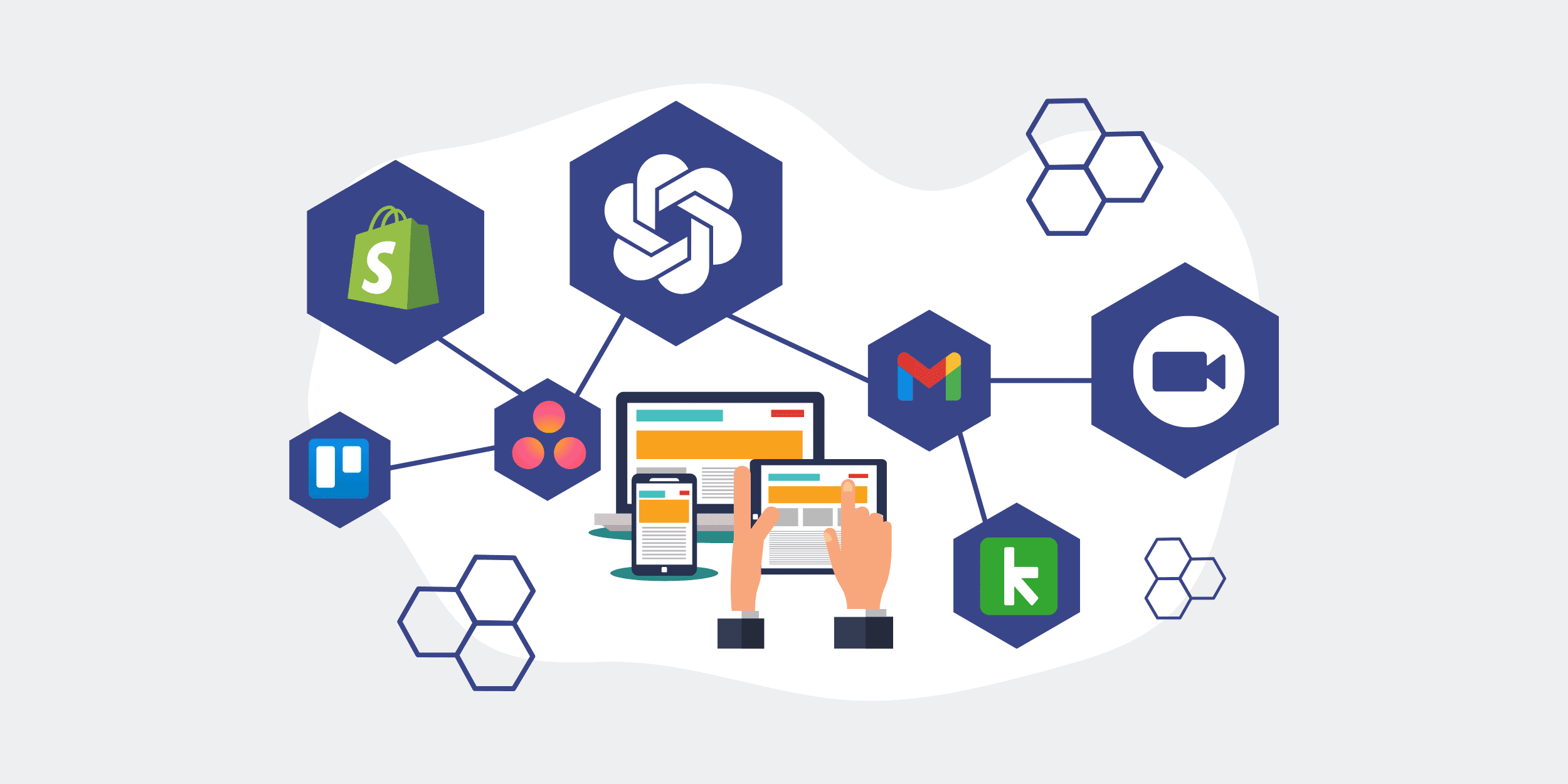
Once you’ve mapped your current workflow, identify specific tasks within the onboarding process that are ripe for automation. This could include sending offer letters, collecting new hire paperwork, setting up IT accounts, scheduling initial meetings, or triggering welcome emails. Focus on tasks that are rule-based, repetitive, and require data transfer between different systems. For connecting disparate systems, platforms like Make.com are invaluable, serving as the central nervous system for your automation strategy. Integrating with your CRM (like Keap) for contact management and document solutions (like PandaDoc) for contract generation are key considerations. Selecting the right low-code tools allows for rapid development and flexibility, without the need for extensive coding expertise.
Step 3: Design Automated Workflows for Key Onboarding Stages
With your identified opportunities and tools in hand, begin designing your automated workflows. Break down the onboarding journey into logical stages, such as pre-boarding, day one, first week, and first month. For each stage, define the trigger events (e.g., offer acceptance), the sequence of automated actions (e.g., send welcome email, create HR profile, notify IT), and the specific systems involved. Visualizing these workflows using flowcharts or digital diagrams helps clarify dependencies and potential branching logic. For example, a successful offer acceptance in your ATS could trigger a Make.com scenario that automatically creates a new employee record in your HRIS, sends a personalized welcome kit via email, and initiates the IT setup request, ensuring consistency and accuracy across all touchpoints.
Step 4: Integrate Systems and Standardize Data Flow
Effective automation relies heavily on seamless integration between all your HR, IT, and communication systems. This step involves configuring the connections between platforms like your ATS, HRIS, CRM (e.g., Keap or HighLevel), document management, and communication tools. Standardize the data fields and formats across all systems to ensure information flows accurately and consistently, preventing errors and data silos. Our OpsMesh framework emphasizes building a robust, interconnected ecosystem where data acts as a single source of truth. Implementing these integrations requires careful planning and testing to ensure data integrity and security, forming the backbone of a truly efficient and scalable onboarding process that eliminates manual data entry and reduces human error significantly.
Step 5: Implement AI for Enhanced Personalization and Efficiency
Beyond traditional automation, integrating AI can elevate your onboarding experience significantly. AI can personalize the learning path for new hires based on their role and prior experience, answer common HR questions instantly via chatbots, or even help analyze sentiment from early feedback to identify areas for improvement. For example, AI can parse resumes to pre-populate HR forms, reducing manual data entry for both the employee and HR team. Utilizing AI tools, perhaps through platforms like Make.com connecting to LLMs, can streamline tasks such as generating personalized welcome messages or drafting initial training itineraries, adding a layer of sophistication and efficiency that goes beyond simple rule-based automation. This not only saves time but also creates a more engaging and supportive environment for new employees.
Step 6: Test, Refine, and Document Your Automated Process
Once your automated workflows are designed and integrated, rigorous testing is paramount. Run new hires through the complete automated onboarding process to identify any glitches, missed steps, or areas for improvement. Gather feedback from both new employees and the HR team involved. Be prepared to refine and iterate based on these insights. Concurrently, create comprehensive documentation for your automated workflows. This includes step-by-step instructions, system configurations, and troubleshooting guides. Proper documentation ensures maintainability, facilitates future updates, and allows for knowledge transfer, safeguarding your investment in automation and ensuring operational continuity, reflecting our commitment to clear, scalable solutions for our clients.
Step 7: Monitor Performance and Optimize Continuously
Automation is not a set-and-forget solution. Implement a system for continuously monitoring the performance of your automated onboarding workflows. Track key metrics such as time-to-hire, new hire satisfaction scores, compliance rates, and the number of manual interventions required. Regularly review these metrics to identify opportunities for further optimization and efficiency gains. Technology and business needs evolve, so your automation strategy should be agile enough to adapt. Our OpsCare program provides ongoing support and optimization to ensure your systems remain cutting-edge and continue to deliver maximum ROI. By actively seeking feedback and iterating, you ensure your automated onboarding process remains effective, compliant, and contributes significantly to your organization’s growth and employee success.
If you would like to read more, we recommend this article: Mastering HR Automation: Your Guide to a Seamless Onboarding Process