Post: Stop the Silent Killer: Automate Your Candidate Journey to Win Top Talent
The Silent Killer of Recruitment: Unpacking the Hidden Costs of Disconnected Candidate Journeys
In today’s competitive talent market, the speed and quality of your hiring process are not just operational concerns; they are strategic differentiators. Yet, many organizations find themselves inadvertently sabotaging their own recruitment efforts long before the offer letter stage. The culprit isn’t always a lack of applicants or an unappealing employer brand; often, it’s the insidious, silent killer of a disconnected candidate journey. From initial application to final interview, a fragmented process creates friction, fosters frustration, and ultimately, causes promising candidates to disengage, costing businesses more than they realize.
The Erosion of Engagement: Where the Candidate Journey Fails
Think about the typical candidate experience. It often starts with a job board application, perhaps followed by an email request for more information, a separate link to a skills assessment, and then a manual scheduling dance with a recruiter. Each step, while seemingly minor, represents a potential point of failure. Each manual hand-off, each instance of redundant data entry, each delay in communication adds to the “digital fatigue” of a candidate actively seeking a new role. This isn’t merely an inconvenience; it’s a profound erosion of engagement.
The Disconnect in the Candidate Journey
At the heart of this issue is a lack of integration between the various systems and human touchpoints involved in hiring. An Applicant Tracking System (ATS) might not seamlessly communicate with an HRIS, a calendar scheduling tool, or even an internal communication platform. Recruiters are often forced to act as data entry clerks and manual coordinators, bridging these gaps with their time and effort. This leads to slow response times, misplaced information, and a generalized impression of disorganization – hardly the message you want to send to high-value talent.
The Real Cost of a Fragmented Process
The impact of this fragmentation extends far beyond mere inefficiency. When top candidates experience a clunky, unresponsive process, they don’t wait around. They move on to competitors who offer a smoother, more respectful experience. This directly translates to:
- **Increased Time-to-Hire:** Manual processes inherently prolong every stage, meaning critical roles remain open longer, impacting productivity and revenue.
- **Higher Candidate Ghosting Rates:** Disengaged candidates are more likely to drop out of the process without warning, especially when faced with better, more streamlined alternatives.
- **Loss of Top Talent:** The best candidates are often the most in-demand. They won’t tolerate a subpar experience and will quickly opt for organizations that value their time.
- **Damaged Employer Brand:** A negative candidate experience doesn’t just affect the individual; it can spread through reviews and word-of-mouth, deterring future applicants.
- **Elevated Operational Costs:** The hidden cost of recruiter time spent on administrative tasks, rescheduling, and chasing unresponsive candidates is substantial. This is high-value employee time spent on low-value work.
The Automation Imperative: Reclaiming the Candidate Experience
The solution isn’t to simply work harder; it’s to work smarter. Strategic automation, empowered by AI and intelligent workflow design, offers a powerful antidote to the fragmented candidate journey. By automating repetitive, time-consuming tasks, organizations can not only drastically improve efficiency but, more importantly, elevate the candidate experience to a truly competitive advantage.
Building a Cohesive Candidate Experience
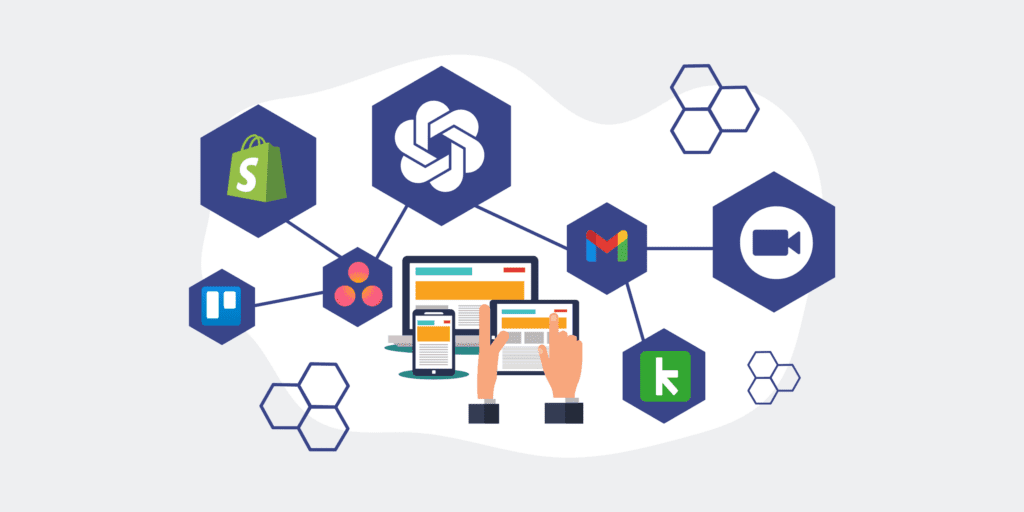
Imagine a world where an applicant applies, receives an immediate, personalized acknowledgment, automatically proceeds to an assessment if qualified, and then seamlessly schedules an interview at their convenience – all without a single manual intervention from a recruiter. This isn’t futuristic fantasy; it’s an achievable reality with robust automation platforms. Tools like Make.com, integrated with your ATS and CRM (like Keap or HighLevel), can create a “single source of truth” for candidate data, ensuring consistency and accuracy at every touchpoint. This proactive, streamlined communication makes candidates feel valued and keeps them engaged.
Beyond Scheduling: A Holistic Approach
While automated interview scheduling is a critical piece of the puzzle, the true power of automation lies in its ability to connect the entire recruitment lifecycle. From intelligent resume parsing and initial screening to automated background checks, offer letter generation, and even onboarding initiation, every step can be optimized. This not only frees up recruiters to focus on strategic human interaction and relationship building but also minimizes human error, ensures compliance, and provides invaluable data for continuous process improvement. The goal is to eliminate low-value work from high-value employees, allowing them to excel at what truly requires their expertise.
Seizing the Opportunity with 4Spot Consulting
At 4Spot Consulting, we understand that true efficiency comes from a strategic approach, not just implementing technology for technology’s sake. Our OpsMap™ diagnostic is designed to uncover the specific inefficiencies plaguing your recruitment process, identifying where disconnected systems and manual tasks are hemorrhaging time and talent. We then leverage our OpsBuild™ framework to implement tailor-made automation solutions, connecting your disparate systems and creating a seamless, engaging candidate journey.
The OpsMesh™ Advantage
Our overarching OpsMesh™ strategy ensures that your automation isn’t a collection of disparate tools but a cohesive, intelligent ecosystem. We specialize in connecting dozens of SaaS systems, ensuring that data flows freely and accurately across your entire operation, transforming your HR and recruiting functions into a well-oiled machine. The outcome? Measurable ROI in the form of reduced time-to-hire, lower operational costs, and a significantly improved candidate and recruiter experience. We’ve seen our clients achieve 240% production increases and save over $1M annually by eliminating bottlenecks and automating critical workflows.
Conclusion
The hidden costs of disconnected candidate journeys are substantial, silently eroding your ability to attract and retain top talent. By embracing strategic automation, organizations can transform their recruitment processes from a source of friction into a powerful competitive advantage. It’s about more than just efficiency; it’s about respect for the candidate, empowerment for your team, and ultimately, securing the talent you need to drive sustained growth.
If you would like to read more, we recommend this article: Reducing Candidate Ghosting: The ROI of Automated Interview Scheduling


RELATED POST