Post: Beyond Reminders: AI-Powered Engagement to Combat Candidate Ghosting
Beyond the Confirmation: Leveraging AI for Proactive Candidate Engagement Post-Scheduling
In the high-stakes world of recruitment, the moment a candidate accepts an interview slot feels like a small victory. But for many organizations, the journey from confirmation to actual interview is fraught with uncertainty. The silent killer of hiring efficiency? Candidate ghosting. It’s not just a no-show; it’s lost time, wasted resources, and a palpable hit to the morale of a hiring team. While automated scheduling has become a critical tool for initial engagement, true excellence in candidate experience, and ultimately, a significant reduction in ghosting, requires a more strategic, proactive approach leveraging artificial intelligence.
The conventional wisdom often focuses on making the initial scheduling process seamless. While essential, simply sending a calendar invite and a basic reminder overlooks a crucial period: the days or hours leading up to the interview. This is where candidate interest can wane, competing offers can emerge, or simply, life gets in the way. Without proactive, personalized engagement during this window, even the most promising candidates can slip through the cracks, leaving recruiters and hiring managers with empty chairs and scrambled schedules. This inefficiency doesn’t just impact individual hires; it extends recruitment cycles, inflates operational costs, and, critically, can tarnish an employer’s brand reputation.
The Imperative for Intelligent Pre-Interview Nurturing
Consider the impact on high-growth B2B companies, where every open role directly affects revenue generation and scalability. A critical sales position left unfilled for weeks due to ghosting can translate into hundreds of thousands, if not millions, in lost opportunities. HR and recruiting leaders are under immense pressure to not only find top talent but also ensure they show up, engaged and ready. The challenge isn’t merely to remind candidates; it’s to sustain their excitement, answer latent questions, and reinforce the value proposition of the role and the company. This isn’t a task for generic, one-size-fits-all emails; it demands intelligence and personalization at scale.
This is where AI-powered operations transform the recruitment landscape. By integrating AI into the pre-interview phase, organizations can move beyond simple reminders to create a rich, personalized engagement journey. Imagine a system that, post-scheduling, can analyze candidate profiles and the specifics of the role to deliver tailored content: a short video from the hiring manager, a success story from a current team member, or even a personalized FAQ document addressing common concerns for that specific type of position. This isn’t about overwhelming the candidate; it’s about providing timely, relevant information that anticipates their needs and reinforces their decision to interview.
Building a Proactive Engagement Framework with Automation and AI
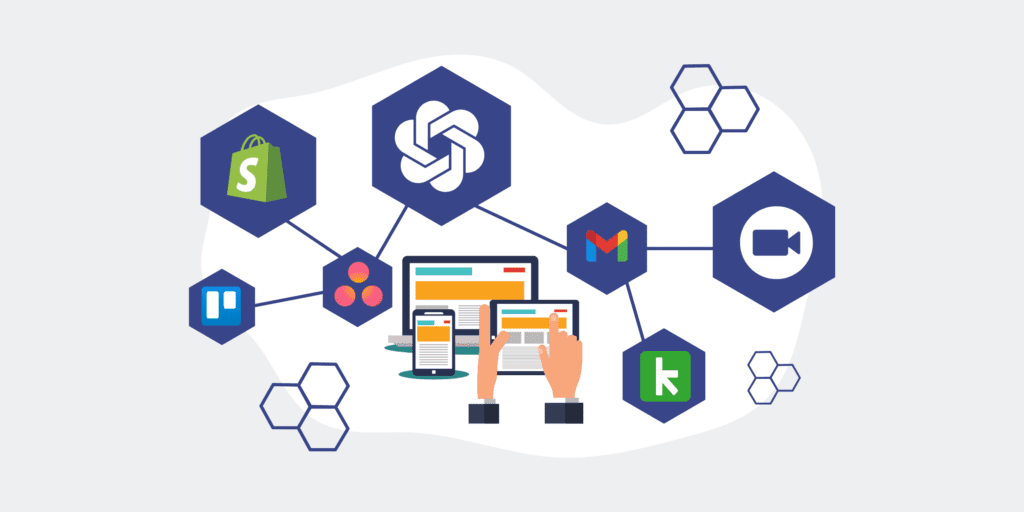
At 4Spot Consulting, we approach this challenge through our OpsMesh™ framework, designed to weave together disparate systems into a cohesive, intelligent operational fabric. For pre-interview candidate engagement, this means orchestrating tools like Make.com to connect applicant tracking systems (ATS) with communication platforms and AI services. Here’s how it works:
- Triggered Personalization: Once a candidate confirms an interview, an automation in Make.com triggers. It pulls relevant data from the ATS (candidate’s name, role, interviewer) and potentially public data (LinkedIn profile) to build a richer profile.
- AI-Driven Content Curation: An AI model, integrated into the workflow, then analyzes this data to select or generate highly relevant, personalized content. This could be a link to a blog post about the team’s culture, a custom message from the interviewer, or even a predictive answer to a question the candidate might have about the company’s growth trajectory.
- Multi-Channel Nurturing: This content isn’t just blasted via email. Depending on the candidate’s preferences or engagement history, it could be delivered via SMS, a personalized landing page, or even a brief, pre-recorded video message. The timing is also intelligent, spaced out to avoid overwhelming the candidate while maintaining consistent touchpoints.
- Feedback Loop and Optimization: The system tracks candidate engagement with these materials – open rates, click-throughs, video views. This data feeds back into the AI, allowing it to refine its personalization strategies for future candidates, continuously improving the effectiveness of the pre-interview nurturing sequence.
This strategic automation moves beyond mere efficiency; it elevates the entire candidate experience, making them feel valued and truly understood before they even step into the virtual or physical interview room. By proactively addressing potential concerns and reinforcing the unique opportunity, organizations drastically improve show-up rates and ensure candidates arrive more informed and engaged. We’ve seen firsthand how such systems save recruitment teams hundreds of hours each month and contribute to significantly higher offer acceptance rates.
The investment in AI-powered proactive engagement isn’t just about preventing ghosting; it’s about building a robust, resilient hiring pipeline. It’s about ensuring that the valuable time of hiring managers and recruiters is spent on truly engaged candidates, not chasing down no-shows. By shifting from a reactive approach to a truly proactive, intelligent one, companies can transform their recruitment operations from a series of disjointed tasks into a strategic engine for growth.
If you would like to read more, we recommend this article: Reducing Candidate Ghosting: The ROI of Automated Scheduling

RELATED POST