Beyond Incremental Gains: Architecting a Fully Automated Business with AI
For too long, the promise of automation in B2B operations has been limited to incremental fixes. Companies invest in point solutions, automate a single task here, optimize a minor workflow there, and celebrate modest gains. While these small victories are not without merit, they often fall short of delivering the truly transformative efficiency and scalability that today’s competitive landscape demands. At 4Spot Consulting, we see a bigger picture: the opportunity to architect a fully automated business, leveraging AI not just as an add-on, but as an integral part of an overarching operational strategy.
The challenge with piecemeal automation is that it creates new silos. You might have an automated HR onboarding process, but it doesn’t seamlessly integrate with your CRM, project management, or accounting systems. This fragmented approach leads to data inconsistencies, manual reconciliations, and a persistent “swivel chair” problem where high-value employees are still spending precious hours transferring information between disparate systems. This isn’t just inefficient; it’s a direct drain on profitability and a significant barrier to scaling.
The Evolution from Disconnected Tools to a Unified OpsMesh
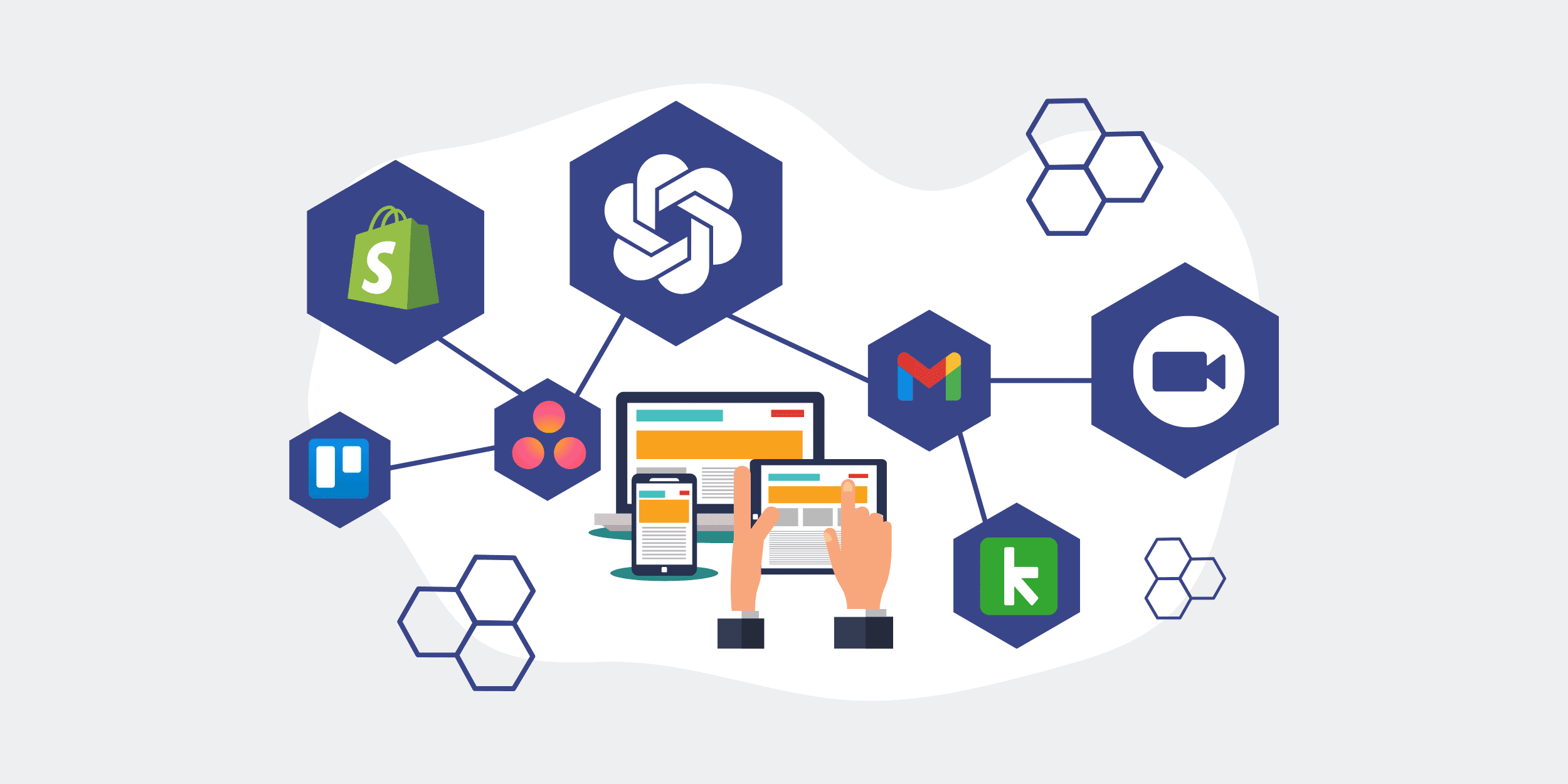
Imagine your business operations as a complex network of interconnected systems, data flows, and human interactions. Historically, these connections have been manual, prone to error, and resource-intensive. Our approach at 4Spot Consulting is to replace this ad-hoc patchwork with a robust, intelligent framework we call OpsMesh. OpsMesh isn’t just about connecting tools; it’s about strategically designing an ecosystem where every process, from lead generation to client onboarding to service delivery, is orchestrated to operate with maximum autonomy and minimal human intervention.
The core of this transformation lies in identifying and dismantling legacy processes that no longer serve your business. Many organizations continue to operate with workflows established years, even decades, ago. These often involve manual data entry, paper-based approvals, or email chains that are bottlenecks in disguise. Introducing AI into this equation is not about replacing humans entirely, but about empowering them by offloading repetitive, low-value tasks and enabling faster, data-driven decision-making.
Integrating AI for Intelligent Automation, Not Just Repetitive Tasks
When we talk about “fully automated” with AI, we’re not just referring to basic rules-based automation. We’re talking about systems that can:
- **Intelligently Parse and Process Unstructured Data:** Think about contracts, resumes, customer support tickets, or emails. AI can extract key information, classify it, and trigger subsequent automated workflows, saving countless hours of manual review.
- **Provide Predictive Insights:** By analyzing historical data, AI can predict future trends, such as customer churn risks, optimal inventory levels, or even the best time to engage a prospect, allowing for proactive, automated responses.
- **Personalize Customer and Employee Experiences:** AI-driven tools can tailor communications, support responses, and learning paths based on individual profiles and behaviors, enhancing satisfaction and engagement at scale.
- **Automate Complex Decision Flows:** Beyond simple if/then statements, AI can evaluate multiple variables and make nuanced decisions within defined parameters, such as dynamically routing support requests, optimizing pricing, or flagging potential compliance issues.
Our process begins with an OpsMap™ diagnostic. This isn’t just a casual conversation; it’s a deep dive into your current operational landscape to uncover hidden inefficiencies, identify critical bottlenecks, and surface the most impactful opportunities for automation and AI integration. We look at everything from your HR and recruiting processes to CRM and data backup strategies, aiming to establish a “single source of truth” across your entire enterprise.
Realizing the Vision: From Strategy to Sustainable Operations
Once the OpsMap™ identifies the strategic roadmap, our OpsBuild™ phase brings these designs to life. This is where the magic of connecting disparate systems with tools like Make.com, Keap, and specialized AI platforms happens. We don’t just build; we engineer solutions that eliminate human error, drastically reduce operational costs, and build a foundation for scalable growth. For instance, we helped an HR tech client save over 150 hours per month by automating their resume intake and parsing process using Make.com and AI enrichment, then syncing directly to their Keap CRM. This isn’t just an anecdotal success; it’s a testament to the power of a holistic approach.
The journey doesn’t end with implementation. Our OpsCare™ program ensures that your new automated infrastructure remains optimized, updated, and continuously iterated upon. The business landscape evolves rapidly, and your automation needs will too. We provide ongoing support and strategic guidance, acting as an extension of your team to ensure your systems are always performing at peak efficiency.
Moving beyond basic automation means embracing a strategic shift: from reacting to problems with point solutions to proactively designing an intelligent, self-optimizing operational fabric. This is the path to truly saving 25% of your day, freeing your high-value employees from low-value work, and positioning your B2B enterprise for unprecedented scalability and competitive advantage.
If you would like to read more, we recommend this article: The Strategic Blueprint for B2B Operational Automation