How to Automate Client Onboarding for High-Growth Businesses: A Step-by-Step Guide to Efficiency
In today’s fast-paced business environment, efficient client onboarding isn’t just a nicety—it’s a necessity for scaling growth and ensuring customer satisfaction from day one. Manual, error-prone processes can lead to delays, frustration, and even client churn before you’ve truly begun. This guide provides a strategic roadmap for high-growth B2B companies to leverage automation and AI, transforming their client onboarding from a bottleneck into a streamlined, consistent, and scalable operation that reflects your commitment to excellence.
Step 1: Map Your Current Onboarding Process
Before you can automate, you must understand your existing client onboarding journey in detail. Begin by meticulously documenting every single step, touchpoint, and stakeholder involved from the moment a client signs a contract to when they are fully integrated and leveraging your services. Identify all manual tasks, data entry points, approval bottlenecks, and communication handoffs. This comprehensive audit, akin to 4Spot Consulting’s OpsMap™, will reveal critical inefficiencies, redundant efforts, and potential points of failure. Understanding the current state allows you to pinpoint precisely where automation can deliver the most significant impact, ensuring that your automation efforts target real pain points rather than simply digitizing a broken process.
Step 2: Define Clear Automation Objectives and KPIs
With your current process mapped, the next crucial step is to define specific, measurable, achievable, relevant, and time-bound (SMART) objectives for your automation initiative. Are you aiming to reduce onboarding time by 30%? Minimize data entry errors by 80%? Improve client satisfaction scores by a certain percentage? Establishing clear Key Performance Indicators (KPIs) upfront will provide a benchmark for success and enable you to quantify the ROI of your automation efforts. These objectives should directly align with your business goals, such as increasing client retention, freeing up high-value employees from low-value tasks, or accelerating time-to-value for new clients. Without clear targets, it’s impossible to truly gauge the effectiveness of your automated solution.
Step 3: Centralize Data and Integrate Core Systems
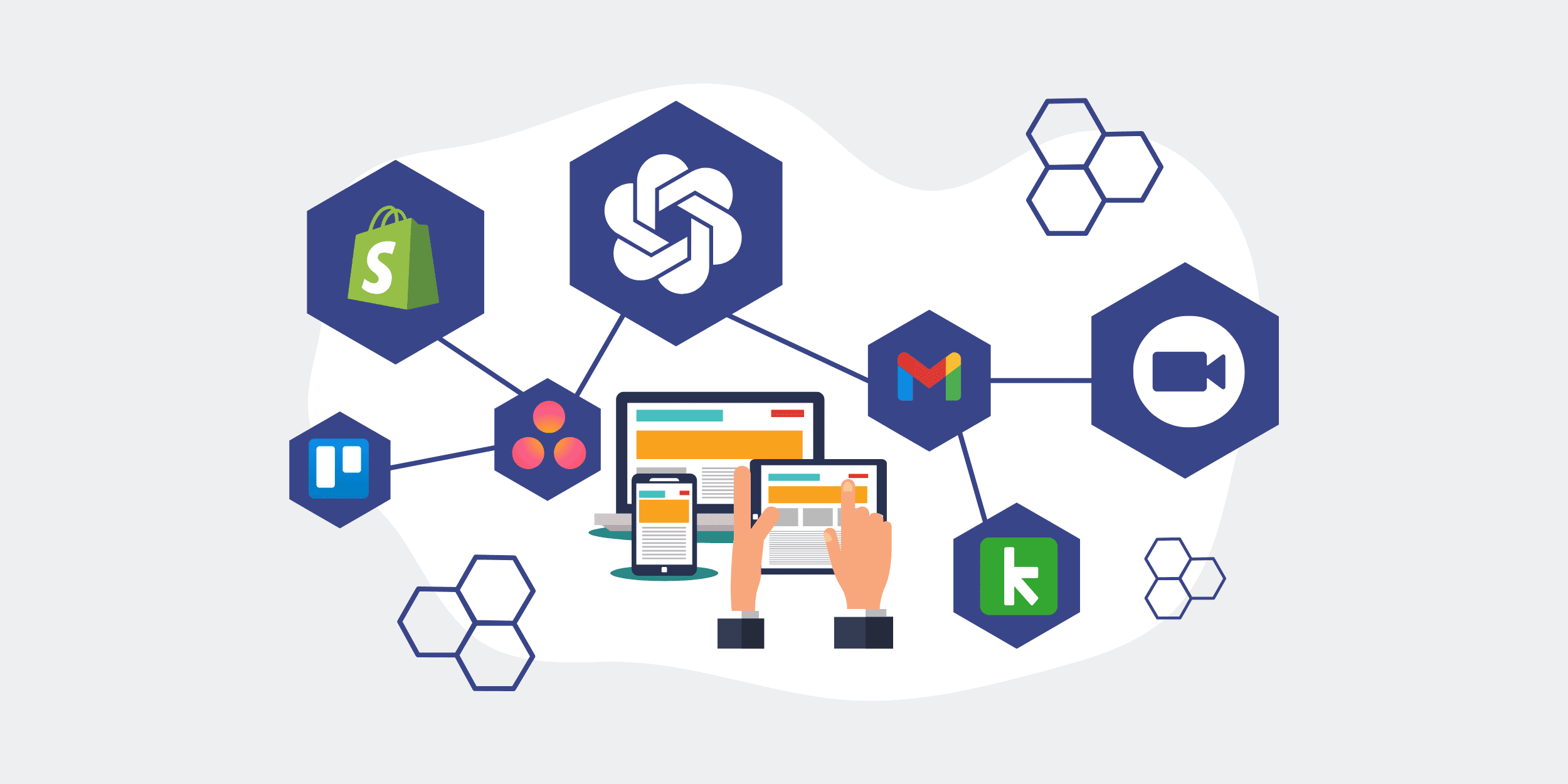
Effective automation hinges on seamless data flow between your essential business systems. Identify all disparate data sources currently involved in onboarding, such as your CRM (e.g., Keap, HighLevel), contract management software (e.g., PandaDoc), project management tools, and communication platforms. The goal is to establish a “single source of truth” for client data, eliminating the need for manual data duplication and reducing errors. Utilize integration platforms like Make.com to connect these systems, creating automated workflows that trigger data transfer and updates across all relevant applications. This integration ensures consistency, reduces human error, and provides a holistic view of each client’s journey, making subsequent automation steps far more reliable and efficient.
Step 4: Design and Implement Automated Workflows
Now, translate your identified inefficiencies and objectives into concrete automated workflows. This involves leveraging tools like Make.com to orchestrate a sequence of actions that occur automatically based on predefined triggers. For example, when a contract is signed in PandaDoc, an automation can automatically: create a new client record in your CRM, trigger a welcome email series, set up internal project folders, assign tasks to your onboarding team, and send internal notifications. Incorporate conditional logic and approvals where necessary to maintain oversight. The design should anticipate various client scenarios and touchpoints, ensuring a consistent, high-quality experience for every new customer while drastically reducing the manual burden on your team.
Step 5: Integrate AI for Enhanced Personalization and Efficiency
Take your automation a step further by integrating AI capabilities to personalize and optimize the onboarding experience. AI can be used for tasks such as automatically parsing client data from submitted forms or documents to pre-populate fields in your CRM, generating personalized welcome content based on client segment or industry, or even automating follow-up communications based on client engagement levels. For instance, AI can analyze early interactions to identify potential challenges or opportunities, allowing your team to intervene proactively. This intelligent layer reduces manual effort while simultaneously enhancing the client experience, making it more tailored and responsive. It ensures that your high-value employees focus on strategic client engagement rather than routine tasks.
Step 6: Monitor, Iterate, and Optimize Continuously
Automation is not a one-time project; it’s an ongoing process of monitoring, iteration, and optimization. Once your automated onboarding workflows are live, continuously track the KPIs you established in Step 2. Gather feedback from both your team and new clients to identify any friction points or areas for improvement. Use analytics from your connected systems to understand where clients might be dropping off or where processes are still slow. Regularly review and refine your automation rules and AI integrations to adapt to changing business needs, improve performance, and enhance the client experience. This commitment to continuous improvement, mirroring 4Spot Consulting’s OpsCare™ approach, ensures your onboarding process remains a competitive advantage.
If you would like to read more, we recommend this article: Mastering Operational Excellence with 4Spot Consulting’s OpsMesh Framework