How to Streamline Your HR Onboarding Process with Automation
In today’s fast-paced business environment, an efficient HR onboarding process isn’t just a nicety; it’s a strategic imperative. Manual onboarding is riddled with inefficiencies, human error, and a subpar new hire experience. This guide will walk you through the essential steps to leverage automation and AI, transforming your HR onboarding into a seamless, engaging, and highly effective system. By eliminating bottlenecks and automating repetitive tasks, you not only save valuable time but also set your new employees up for success from day one, reflecting positively on your organization’s professionalism and care. Let’s dive into creating an onboarding experience that reduces administrative burden and elevates the new hire journey.
Step 1: Define Your Onboarding Workflow & Touchpoints
The first critical step in automating your HR onboarding is to meticulously map out your current process. Identify every single task, document, interaction, and system involved from the moment a candidate accepts an offer until they are fully integrated into their role and team. This includes everything from sending offer letters, collecting HR forms, ordering equipment, setting up IT access, scheduling initial training, to introducing team members. Understand who is responsible for each touchpoint and the current communication channels used. This comprehensive audit will reveal existing inefficiencies, duplicate efforts, and potential gaps. A clear, visual representation of your workflow, perhaps using a flowchart, will serve as the foundational blueprint for identifying automation opportunities and designing a more optimized, digital-first approach that ensures consistency and compliance.
Step 2: Identify Automation Opportunities & Pain Points
With your onboarding workflow clearly defined, the next step is to pinpoint specific areas ripe for automation. Look for tasks that are repetitive, time-consuming, prone to human error, or require data entry across multiple systems. Common pain points include manual data transfer between recruitment and HR platforms, chasing down incomplete forms, sending reminder emails, provisioning access to various tools, and scheduling introductory meetings. Consider which forms can be digitized and auto-populated, which communications can be templated and triggered automatically, and where data can flow seamlessly between systems. Prioritize the automation opportunities that promise the highest ROI, such as those that significantly reduce manual effort, enhance compliance, or dramatically improve the new hire’s experience by providing information proactively.
Step 3: Select the Right Automation Tools & Integrations
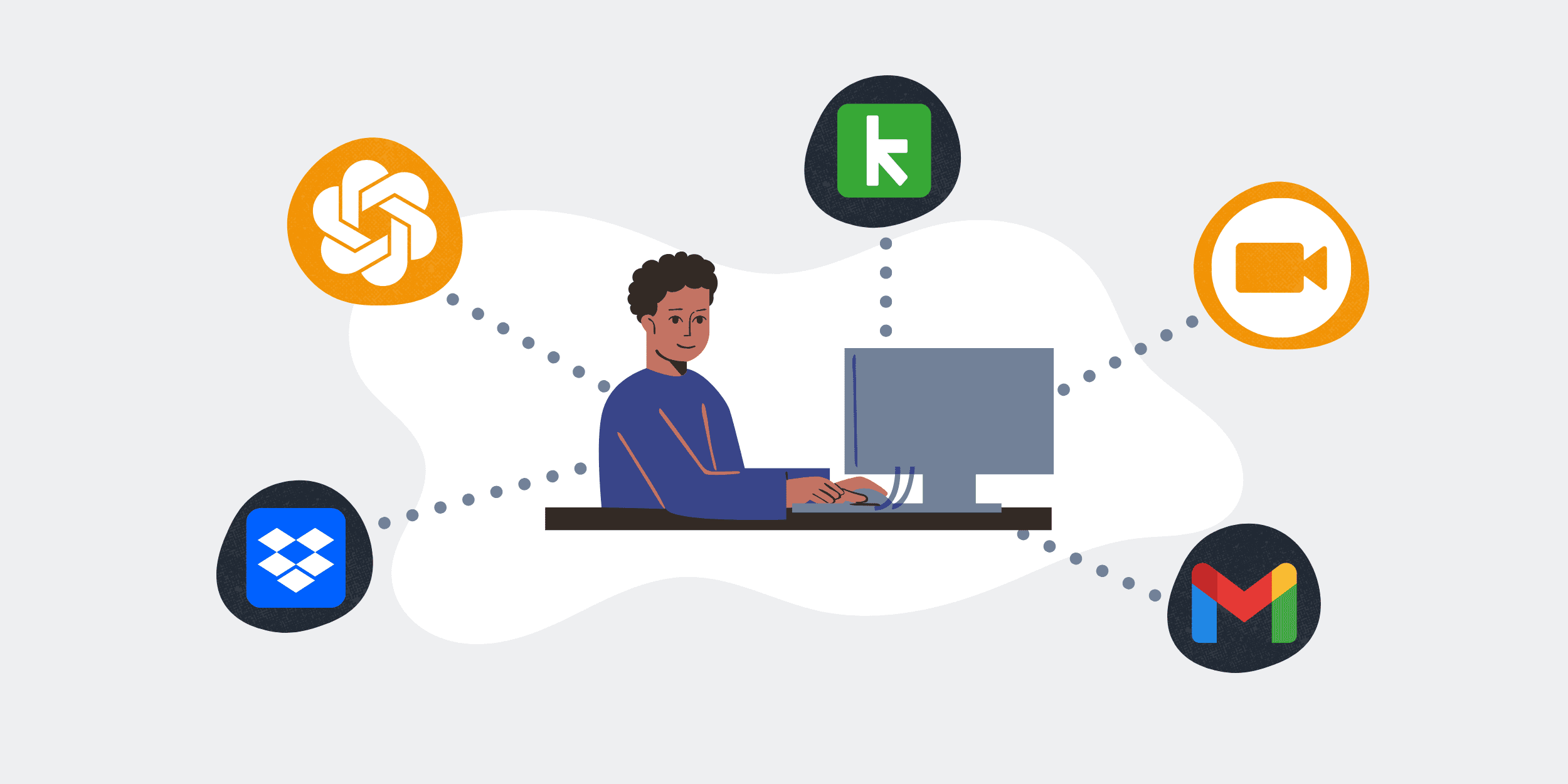
Choosing the appropriate technology stack is crucial for successful HR onboarding automation. You’ll need tools that can integrate with your existing HRIS, ATS, CRM, and communication platforms. Platforms like Make.com are powerful low-code automation tools that can act as the central nervous system, connecting disparate systems such as Keap for CRM, PandaDoc for document generation, and various communication tools. Consider specialized HR tech platforms that offer native automation features for tasks like background checks, e-signatures, and compliance training. The key is to select tools that are scalable, user-friendly, and offer robust integration capabilities. Avoid solutions that create new data silos or require extensive custom coding, as this can hinder future flexibility and increase maintenance overhead. Focus on a cohesive ecosystem that facilitates smooth data flow.
Step 4: Design and Build Your Automated Workflows
Once your tools are selected, it’s time to design and build the actual automated workflows. This involves configuring your chosen platforms to execute the identified tasks automatically. For example, when a candidate accepts an offer in your ATS, a trigger can automatically initiate a series of actions: sending an onboarding welcome packet via email (PandaDoc integration), creating a new employee record in your HRIS, notifying the IT department to set up accounts and order equipment, and scheduling introductory meetings with key team members. Leverage conditional logic to customize the onboarding path based on role, department, or location. Break down complex workflows into smaller, manageable sub-processes. Document each automation carefully, including triggers, actions, and any decision points, to ensure clarity and facilitate future modifications or troubleshooting.
Step 5: Test, Refine, and Deploy Your System
Before full deployment, rigorously test your automated HR onboarding system. Conduct end-to-end tests, simulating the entire new hire journey multiple times. Involve stakeholders from HR, IT, and hiring managers to provide feedback and identify any glitches or overlooked scenarios. Pay close attention to data accuracy, timing of communications, and the overall user experience for both new hires and internal teams. Be prepared to iterate and refine the workflows based on testing results. This phase is critical for catching errors before they impact real employees. Once the system is stable and thoroughly vetted, roll it out, perhaps starting with a pilot group, to gather final feedback and ensure a smooth transition from manual to automated processes. Clear communication with all involved parties about the new system is vital for successful adoption.
Step 6: Monitor Performance and Iteratively Optimize
Deployment is not the end; it’s the beginning of continuous improvement. Establish key performance indicators (KPIs) to monitor the effectiveness of your automated onboarding system. Track metrics such as time-to-hire, new hire satisfaction, completion rates of essential forms, compliance adherence, and the administrative hours saved by your HR team. Regularly review these metrics to identify areas for further optimization. Gather feedback from new hires and internal stakeholders. As your organization evolves, so too should your onboarding process. Be prepared to adjust workflows, integrate new tools, or modify existing automations to adapt to changing needs and maximize efficiency. This iterative approach ensures your HR onboarding system remains a dynamic, high-performing asset that continually delivers value.
If you would like to read more, we recommend this article: Mastering Business Automation: Your Guide to Efficiency