7 Ways Automated Interview Scheduling Delivers ROI by Drastically Reducing Candidate Ghosting
Candidate ghosting and interview no-shows are silent killers in the world of recruiting. They don’t just waste valuable recruiter time; they extend time-to-hire, inflate operational costs, and create a frustrating cycle of rescheduling and re-engagement. For HR leaders and recruitment directors, the impact is tangible: delayed talent acquisition, missed productivity targets, and a tarnished candidate experience. In today’s competitive talent market, where candidates often juggle multiple opportunities, a seamless, professional, and engaging interview process is no longer a luxury – it’s a necessity. At 4Spot Consulting, we’ve seen firsthand how manual scheduling processes exacerbate these issues, creating bottlenecks that drain resources and human potential. We understand that your time is money, and every minute spent chasing candidates or scrambling to fill interview slots is a minute not spent on strategic talent acquisition. This isn’t just about finding a tool; it’s about implementing a strategic approach that transforms your recruiting workflow, making it more efficient, more reliable, and ultimately, more profitable. By leveraging automation and AI, you can not only combat the pervasive problem of candidate ghosting but also unlock significant return on investment in your talent acquisition efforts.
This isn’t theory; we’ve built and deployed these systems for high-growth B2B companies, witnessing dramatic reductions in no-show rates and a substantial boost in recruiter productivity. The key lies in understanding the candidate journey and strategically deploying automation to enhance engagement, build commitment, and streamline every touchpoint. We’re going to explore 7 proven strategies that demonstrate how automated interview scheduling isn’t just a convenience; it’s a strategic imperative that delivers quantifiable ROI by drastically reducing candidate ghosting. By adopting these methods, your organization can reclaim wasted time, improve candidate satisfaction, and accelerate your path to securing top talent.
1. Instant, Frictionless Self-Service Scheduling
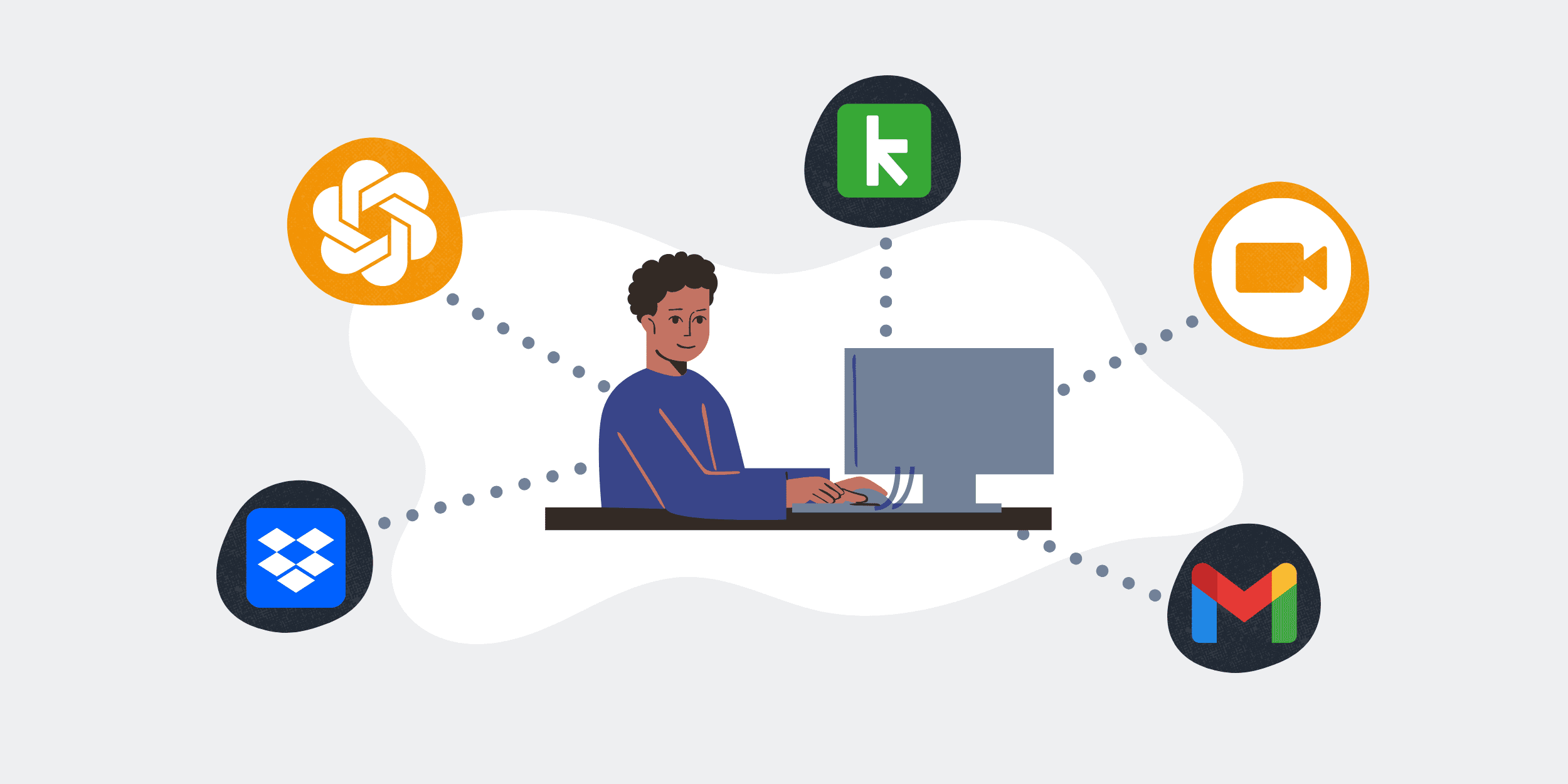
One of the primary drivers of candidate ghosting is the initial friction in the scheduling process. The back-and-forth emails, the time zone confusion, the struggle to find a mutually agreeable slot – these all create opportunities for candidates to disengage. Our clients consistently find that instant, self-service scheduling platforms drastically reduce this friction. By providing a direct link where candidates can view available interview slots in real-time and book at their convenience, you empower them and signal respect for their time. This isn’t just about linking a calendar; it’s about integrating that booking action into a larger automated workflow. For example, using Make.com, we can connect a candidate’s self-selected time directly to the interviewer’s calendar (across various platforms like Google Calendar or Outlook), then trigger immediate confirmation emails, and even update your CRM (like Keap) with the scheduled details. This seamless integration ensures that once a candidate expresses interest, the next step is immediate and clear, building commitment from the outset. By eliminating delays and manual coordination, you remove a significant barrier that often leads to candidates exploring other opportunities while waiting for your team to respond.
2. Automated, Multi-Channel Reminders and Confirmations
Even after an interview is scheduled, life happens. Candidates forget, priorities shift, or they simply get pulled into another opportunity. This is where a robust, automated reminder system proves invaluable. A single confirmation email after booking isn’t enough. We advocate for a multi-channel reminder strategy, leveraging email, SMS, and even pre-recorded voice messages (using tools like Bland AI) to ensure maximum reach and recall. Imagine this: an immediate email confirmation upon booking, a reminder email 48 hours prior to the interview, an SMS reminder 24 hours out, and perhaps a final brief SMS reminder an hour before the scheduled time. Each message can be personalized with the interviewer’s name, the specific role, and a clear call to action if they need to reschedule. Tools like Make.com are essential here, orchestrating these timed communications across various channels based on the initial booking. This proactive approach not only significantly reduces no-show rates by keeping the interview top-of-mind but also demonstrates your organization’s professionalism and commitment to the candidate experience. It’s about building a sequence that gently but persistently guides the candidate towards showing up, making it harder to ‘ghost’ without clear intent.
3. Personalized Communication and Engagement Throughout the Process
Generic communication is forgettable, and forgettable communication is a precursor to ghosting. To combat this, automated interview scheduling should be integrated with a personalized communication strategy. Beyond just confirmations and reminders, automation can deliver tailored content that keeps candidates engaged and informed. Think about sending a brief “meet the team” video after scheduling, an article about your company culture, or a link to a project that the hiring team is particularly excited about. This elevates the interaction beyond mere logistics. Using CRM systems like Keap, integrated with automation platforms like Make.com, allows us to segment candidates and deliver highly relevant content based on their stage in the pipeline or the specific role they’ve applied for. We can also leverage tools like Unipile to unify these communications across different channels, ensuring a consistent and personalized experience. This level of engagement makes candidates feel valued and connected to your organization even before the interview, making them less likely to disengage or pursue other offers. It’s about creating a narrative, not just a transaction, and automation makes scaling that personalization possible without overwhelming your recruiting team.
4. Automated Pre-Interview Information and Document Delivery
Reducing candidate anxiety and building excitement are crucial in combating ghosting. Often, candidates feel unprepared or uncertain about what to expect, which can lead to last-minute dropouts. Automated pre-interview information delivery addresses this directly. After scheduling, an automated workflow can send a comprehensive packet including the interview agenda, interviewer bios, details about the company culture, location information (if applicable), and even tips for success. Tools like PandaDoc can be integrated via Make.com to dynamically generate and deliver professional, branded documents or information packets based on the specific interview or role. This not only prepares the candidate better, leading to a more productive interview, but also showcases your organization’s efficiency and professionalism. When candidates feel well-informed and confident, their commitment to the interview strengthens. It signals that your company is organized, respects their time, and is genuinely interested in a positive experience, all of which are critical factors in encouraging them to show up and perform their best.
5. Seamless Internal Coordination and Calendar Management
Ghosting isn’t always external; sometimes, internal miscommunications or delays contribute to a poor candidate experience. Manual coordination among hiring managers, recruiters, and panel members is a huge time sink and a source of error. Automated interview scheduling extends its benefits internally by streamlining this coordination. Using platforms like Make.com, we can automatically check the availability of multiple interviewers, propose optimal times, and even book conference rooms or video call links. Once a candidate schedules, the system automatically sends calendar invites to all internal participants, complete with candidate information and interview details. This eliminates the frantic back-and-forth emails, reduces scheduling conflicts, and ensures everyone is prepared and aligned for the interview. The OpsMesh framework, which 4Spot Consulting employs, emphasizes creating a “single source of truth” for all scheduling data, ensuring consistency and accuracy across all stakeholders. This internal efficiency frees up recruiters from low-value administrative tasks, allowing them to focus on high-value candidate engagement and strategic sourcing, further enhancing the overall recruitment process and indirectly reducing the chances of candidate disengagement due to organizational inefficiencies.
6. Automated Candidate Experience Feedback Loops
To truly combat candidate ghosting, you need to understand why it’s happening. An often-overlooked aspect of automated scheduling is the ability to integrate feedback loops. This isn’t just about getting feedback from hired candidates; it’s about collecting insights from every stage, including those who didn’t show up. An automated email or SMS survey sent shortly after a scheduled interview (or after a no-show) can gather valuable data on their experience, perceptions, or reasons for disengagement. Was the process too long? Was the communication unclear? Did they receive a better offer? Integrating these survey responses into your CRM (like Keap) allows for data analysis that can pinpoint weaknesses in your process. Using Make.com, these feedback triggers can be built directly into your scheduling workflow, providing an ongoing stream of actionable insights. This continuous improvement model, central to our OpsCare framework, allows you to iteratively refine your interview process, making it more resilient to ghosting and more attractive to top talent. Understanding and addressing these pain points is crucial for long-term ROI and a truly optimized talent acquisition strategy.
7. Quantifiable ROI Tracking and Analytics
The ultimate measure of any strategic initiative is its return on investment. Automated interview scheduling isn’t just about convenience; it’s about measurable business outcomes. By integrating your scheduling platform with your CRM (like Keap) and other analytics tools via Make.com, you can track key metrics that clearly demonstrate ROI. This includes, but is not limited to: the reduction in candidate ghosting rates, decrease in time-to-hire, improvement in recruiter productivity (time saved on manual scheduling), reduction in cost-per-hire, and an increase in overall candidate satisfaction scores. We help clients set up dashboards that provide real-time insights into these metrics. For instance, being able to show a 20% reduction in interview no-shows directly translates to a significant saving in recruiter hours and faster role fulfillment. This data-driven approach, a cornerstone of our OpsMap diagnostic, moves the conversation from anecdotal evidence to hard numbers, justifying your investment in automation. By having clear, quantifiable data, you can continually optimize your process and prove the value of a modern, automated talent acquisition strategy to your stakeholders.
The persistent challenge of candidate ghosting is a drain on resources and a barrier to efficient talent acquisition. However, as we’ve explored, a strategically implemented automated interview scheduling system is a powerful antidote. It’s not merely a tool for convenience; it’s a comprehensive approach that enhances the candidate experience, streamlines internal operations, and delivers tangible ROI by drastically reducing no-show rates. By embracing instant self-service, multi-channel reminders, personalized communication, proactive information delivery, seamless internal coordination, continuous feedback loops, and robust ROI tracking, HR and recruiting leaders can transform their hiring process. This shift enables your team to save significant time, cut operational costs, and secure top talent faster, ensuring your high-value employees are focused on strategic work, not manual administrative tasks. Ready to uncover automation opportunities that could save you 25% of your day? Book your OpsMap™ call today.
If you would like to read more, we recommend this article: Reducing Candidate Ghosting: Automated Interview Scheduling ROI