Post: Seamless Candidate Experience: From Hidden Costs to Huge ROI
Beyond Ghosting: Unmasking the Hidden ROI of a Seamless Candidate Experience
In today’s competitive talent landscape, the phrase “candidate experience” is often thrown around, but its true financial impact is frequently underestimated. While much attention is paid to the obvious pain points like candidate ghosting—which our pillar post addresses directly through automated scheduling—the ripple effects of a disjointed or frustrating candidate journey extend far beyond a missed interview. At 4Spot Consulting, we regularly encounter businesses struggling with these hidden costs, unaware of how deeply inefficient processes are eroding their recruitment ROI and, ultimately, their bottom line.
Consider the complete lifecycle: from initial application to onboarding. Every touchpoint is an opportunity to either build employer brand equity or chip away at it. A clunky application system, slow communication, or a confusing interview process doesn’t just deter top talent; it actively creates negative ambassadors. This isn’t just theory; it’s a critical business problem impacting scalability, operational costs, and even market perception. When a promising candidate has a poor experience, they often share it, amplifying the damage across social networks and professional circles. The cost of a bad hire is well-documented, but what about the cost of a good candidate who was never hired because of a flawed process? That’s where the true hidden ROI comes into play.
The Erosion of Employer Brand and Talent Pool Access
Your employer brand is a valuable asset, especially in sectors like HR, Recruiting, and Business Services where attracting the right people is paramount. A seamless candidate experience reinforces your brand as professional, organized, and respectful of an applicant’s time. Conversely, a poor experience signals disorganization, lack of respect, and potential internal chaos. This perception can lead to a shrinking talent pool over time, as top performers actively avoid companies with a reputation for poor candidate treatment. We’ve seen businesses inadvertently filter out ideal candidates simply because their outdated systems couldn’t handle the volume or personalize the communication needed to keep talent engaged.
Manual processes, unfortunately, are often the primary culprit. Relying on human intervention for every email, every calendar invite, and every status update introduces inevitable delays and inconsistencies. This isn’t a criticism of dedicated recruiting teams; it’s an indictment of systems that force high-value employees into low-value, repetitive work. These inefficiencies translate directly into slower hiring cycles, increased recruitment agency fees, and ultimately, a longer time-to-fill for critical roles. The talent you’re looking for won’t wait. They’ll move on to organizations that respect their time and provide a frictionless journey.
Quantifying the Cost of Operational Inefficiencies in Recruiting
Beyond the reputational damage, the operational costs of a fragmented candidate experience are substantial. Think about the hours spent by recruiters chasing down hiring managers for feedback, manually scheduling interviews across multiple calendars, or trying to piece together candidate data from disparate spreadsheets. This is prime territory for automation. At 4Spot Consulting, our OpsMap™ diagnostic often uncovers hundreds of hours per month—sometimes even more—that could be redirected from administrative tasks to strategic talent acquisition activities.
For example, a client in the HR tech space was losing over 150 hours monthly to manual resume intake and parsing. By implementing an automated workflow using Make.com and AI enrichment, seamlessly syncing data to their Keap CRM, we freed up their team to focus on meaningful candidate engagement rather than data entry. This is not just about saving time; it’s about shifting the focus of high-value employees from reactive process management to proactive talent strategy. When your team isn’t bogged down in manual scheduling and follow-ups, they can dedicate more energy to building relationships, conducting deeper assessments, and ensuring cultural fit—factors that significantly improve the quality of hire.
Building a Seamless Experience with Automation and AI
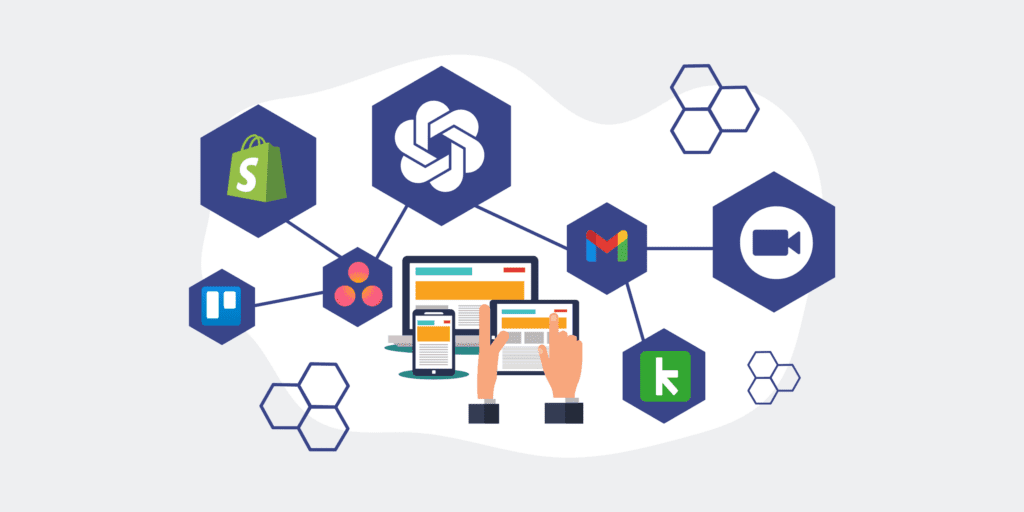
The solution lies in creating an “OpsMesh” for your recruiting pipeline – an interconnected web of automated systems that ensures no candidate falls through the cracks and every interaction is timely and professional. This isn’t about replacing human touch; it’s about amplifying it. Imagine an automated system that:
- Automatically acknowledges applications and provides clear next steps.
- Intelligently schedules interviews based on candidate and interviewer availability, handling rescheduling with ease.
- Sends personalized follow-up communications, keeping candidates informed at every stage.
- Gathers and centralizes all candidate data in a single source of truth, accessible to all relevant stakeholders.
- Leverages AI to parse resumes, identify key skills, and even pre-screen candidates based on objective criteria.
This approach transforms the candidate journey from a series of disjointed hoops into a smooth, respectful, and engaging pathway. It eliminates human error, reduces administrative burden, and dramatically improves response times. The result is a superior candidate experience that translates into faster hires, better talent acquisition, and a stronger employer brand—all measurable contributions to your organization’s ROI. Our OpsBuild framework is designed to implement these precise solutions, taking you from strategic audit to fully operational, optimized automation infrastructure.
Ultimately, the ROI of a seamless candidate experience isn’t just about reducing ghosting. It’s about securing top talent faster, reducing operational costs, enhancing your brand reputation, and setting your business up for sustainable growth. It’s about empowering your recruiting team to be strategic partners, not just administrative coordinators.
If you would like to read more, we recommend this article: Reducing Candidate Ghosting: The ROI of Automated Interview Scheduling


RELATED POST