How to Build an Automated Client Onboarding System for Scalability and Efficiency: A Step-by-Step Guide
In today’s fast-paced business environment, efficient client onboarding isn’t just a nicety—it’s a critical component of client satisfaction, operational efficiency, and long-term scalability. Manual onboarding processes are often plagued by human error, slow turnaround times, and a significant drain on valuable employee resources. Automating this crucial phase can transform your operations, allowing your team to focus on high-value client engagement rather than repetitive administrative tasks. This guide will walk you through the essential steps to design, implement, and optimize a robust automated client onboarding system that saves you time, reduces costs, and delivers a superior client experience.
Step 1: Map Your Current Onboarding Process and Identify Bottlenecks
Before you can automate, you must understand your existing process inside and out. Begin by thoroughly documenting every single step of your current client onboarding journey, from the moment a new client signs a contract to their full integration and readiness to engage with your services. Include all touchpoints, internal handoffs, document exchanges, data entry points, and communication streams. Pay close attention to areas where delays commonly occur, where data is manually transferred between systems, or where repetitive tasks consume significant time. Identifying these bottlenecks and manual dependencies is crucial, as they represent your prime opportunities for automation. This comprehensive mapping creates a baseline and reveals the true operational cost and potential for improvement.
Step 2: Define Clear Automation Goals and Desired Outcomes
With a clear understanding of your current process, the next step is to articulate what you aim to achieve through automation. Are you looking to reduce onboarding time by 50%? Eliminate data entry errors? Improve client satisfaction scores? Free up your account managers for more strategic work? Define measurable, specific, achievable, relevant, and time-bound (SMART) goals. For instance, a goal might be to “Reduce manual data entry by 80% within three months, leading to a 20% faster client activation.” These objectives will guide your tool selection, workflow design, and ultimately serve as benchmarks to evaluate the success of your automated system. Aligning on these goals ensures your automation efforts deliver tangible ROI.
Step 3: Select the Right Automation Platform and Integrated Tools
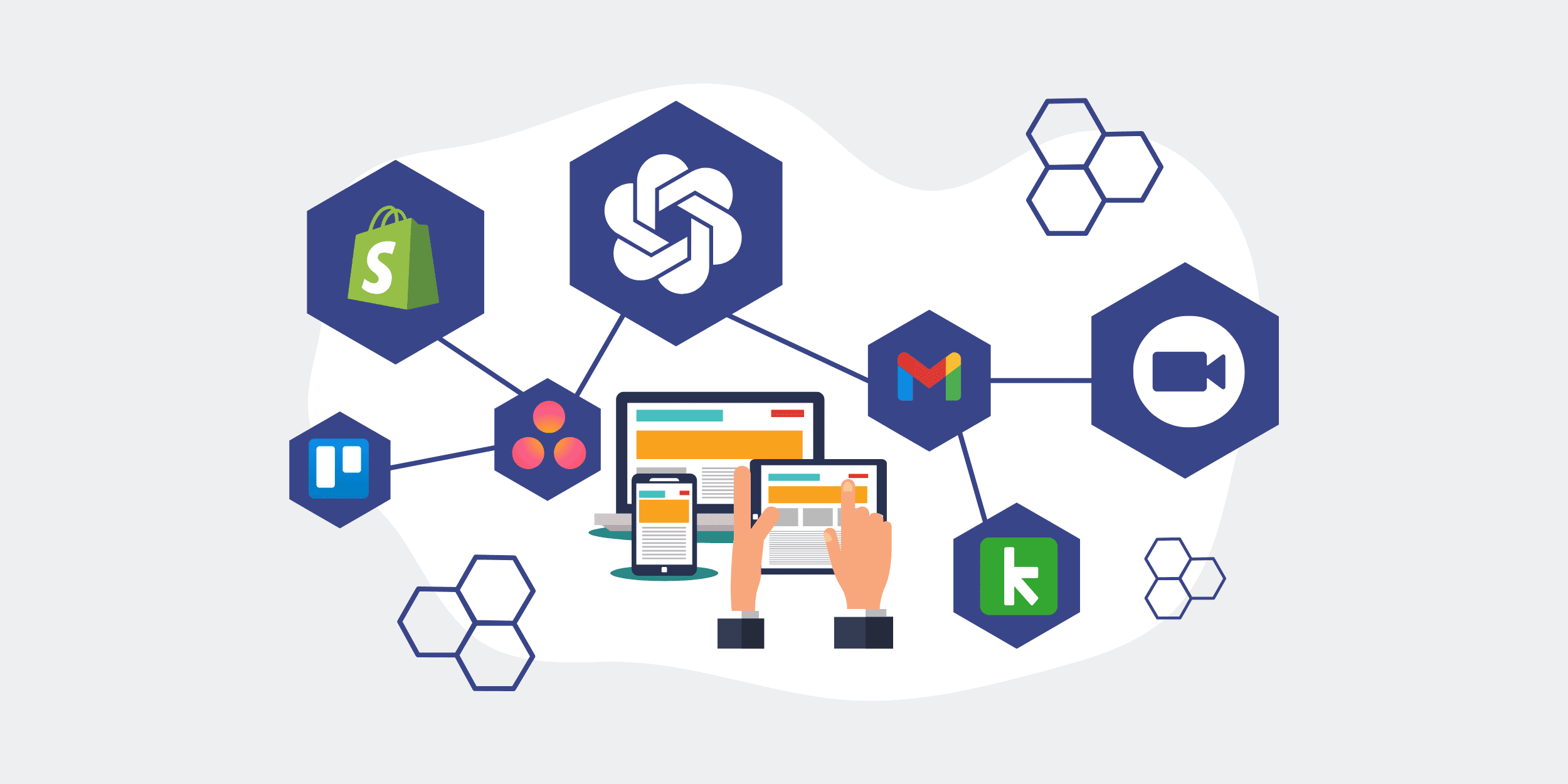
Choosing the appropriate technology stack is paramount. For complex, multi-system integrations typical in onboarding, a robust integration platform as a service (iPaaS) like Make.com is essential. This allows you to connect disparate systems seamlessly. Complement this with a powerful CRM like Keap to serve as your single source of truth for client data. Consider integrating document automation tools such as PandaDoc for automated contract generation and signing, and communication platforms like Unipile for consolidated client interactions. The key is to select tools that are not only powerful in their own right but also offer strong API capabilities for seamless connection, ensuring data flows effortlessly across your entire onboarding ecosystem.
Step 4: Design the Automated Workflow and Logic
Once your tools are selected, it’s time to design the automated workflow. This involves creating a detailed blueprint of how information will flow, what triggers will initiate actions, and what conditional logic will dictate paths. For example, a new client marked “Active” in Keap could trigger an automated welcome email (via Unipile), generate a setup agreement (PandaDoc), and create tasks in a project management system. Map out each step visually, considering edge cases and potential deviations. Think about approval processes, data validation, and notifications. A well-designed workflow ensures consistency, reduces the potential for errors, and provides a clear, scalable path for every new client, regardless of their specific needs.
Step 5: Build and Integrate Your Systems
With the workflow designed, the next phase is the actual construction and integration of your automated system. This involves configuring your chosen platforms (e.g., Make.com, Keap, PandaDoc) to execute the planned workflow. Connect each application via their APIs, ensuring secure and reliable data transfer. Set up triggers, actions, and conditional statements exactly as mapped in the previous step. This phase requires meticulous attention to detail to ensure data integrity and proper functionality across all connected systems. It’s often beneficial to work with experts in low-code automation, like 4Spot Consulting, who have extensive experience connecting dozens of SaaS systems to build resilient and scalable solutions.
Step 6: Thoroughly Test, Refine, and Deploy Your Automation
Before rolling out your new automated system to live clients, comprehensive testing is critical. Run multiple test scenarios covering every possible path a client might take, including edge cases, different service tiers, and unexpected inputs. Check that all data fields are correctly populated, emails are sent to the right recipients, documents are generated accurately, and internal notifications fire as expected. Gather feedback from the team members who will be using or are impacted by the automation. Refine the workflow based on testing results and feedback. Once confident in its performance and reliability, deploy the system. A phased rollout, if feasible, can help catch any remaining issues in a controlled environment.
Step 7: Monitor Performance and Continuously Optimize
Automation isn’t a “set it and forget it” solution; it requires ongoing monitoring and optimization. Establish key performance indicators (KPIs) to track the system’s effectiveness, such as average onboarding time, reduction in manual errors, and client satisfaction scores. Regularly review performance data, seek feedback from both internal teams and new clients, and be prepared to make adjustments. As your business evolves and client needs change, your automated onboarding system should adapt accordingly. Continuous optimization ensures your system remains efficient, scalable, and continues to deliver maximum value, reflecting the dynamic nature of modern business operations.
If you would like to read more, we recommend this article: The Strategic Imperative of Business Automation for Modern Enterprises