The Silent Killer of Recruitment: How Manual Communication Leads to Candidate Ghosting
In today’s competitive talent landscape, the term “candidate ghosting” has become an all too familiar and frustrating reality for HR leaders and hiring managers. It’s not just a minor inconvenience; it’s a silent killer of recruitment efficiency, brand reputation, and ultimately, your bottom line. Companies invest significant resources in attracting, interviewing, and assessing candidates, only to have them disappear without a trace just before an offer, or even after accepting one. This isn’t just rude; it’s a symptom of a deeper systemic issue often rooted in antiquated, manual communication processes that fail to meet the expectations of modern job seekers.
The problem isn’t usually a lack of intent. Most recruiters genuinely want to provide a positive experience. The challenge lies in the sheer volume of candidates, the complexity of the hiring funnel, and the reliance on ad-hoc, human-driven communication touchpoints. Each email sent, each follow-up call made, and each scheduling coordination is a task that eats away at valuable recruiter time, creates bottlenecks, and introduces opportunities for crucial messages to fall through the cracks. In an era where consumer experiences are hyper-personalized and instantaneous, a slow, generic, or inconsistent recruitment communication strategy can feel archaic and disengaging to candidates who have multiple options.
The Root Cause: Manual Overload and Missed Connections
Consider the typical recruitment journey. A candidate applies, receives an automated acknowledgment, perhaps a screening call, then waits. This waiting period is critical. Without timely updates, personalized check-ins, or clear next steps, candidates often interpret silence as disinterest. When recruiters are bogged down by administrative tasks – manually scheduling interviews, drafting individual follow-up emails, or chasing down internal stakeholders for feedback – the candidate experience inevitably suffers. This manual overload directly correlates with increased ghosting rates. Candidates are less likely to disengage if they feel valued, informed, and consistently connected to the process.
The issue is compounded when recruiters are managing dozens, if not hundreds, of candidates across multiple requisitions. The human capacity for meticulous, consistent, and personalized communication at scale is simply not feasible. This isn’t a criticism of recruiters; it’s an acknowledgment of the limitations of manual processes in a high-volume, high-stakes environment. Without a robust system to automate routine communications, ensure timely delivery of information, and provide self-service options, organizations are inherently setting themselves up for communication breakdowns that lead directly to candidate disengagement and eventual ghosting.
The Ripple Effect: Beyond the Unfilled Role
Candidate ghosting extends its damage far beyond the immediate frustration of an unfilled role. Every time a candidate ghosts, it represents wasted time and money—time spent sourcing, screening, and interviewing, and money spent on job board fees, recruiter salaries, and opportunity costs. Furthermore, a poor candidate experience, often a precursor to ghosting, can severely damage your employer brand. In today’s transparent digital world, dissatisfied candidates share their experiences on social media, Glassdoor, and with their networks, eroding trust and making it harder to attract top talent in the future.
Beyond the direct costs, there’s the intangible impact on team morale. Recruiters and hiring managers become demotivated by the constant struggle against disengagement, leading to burnout and a less effective talent acquisition function. The cycle perpetuates: an overwhelmed team leads to poorer communication, which leads to more ghosting, further stressing the team. Breaking this cycle requires a strategic shift from reactive, manual communication to proactive, automated engagement.
The Automation Imperative: Rebuilding Engagement with AI
The solution isn’t to work harder, but to work smarter – by strategically implementing automation and AI into your recruitment communication strategy. Imagine a system where candidates receive timely, personalized updates at every stage, where interview scheduling is a seamless, self-service experience, and where follow-ups are never missed. This isn’t a futuristic dream; it’s the present reality for organizations leveraging platforms like Make.com to orchestrate intelligent workflows.
AI can enrich these processes by personalizing messages based on candidate profiles, ensuring the right information reaches the right person at the right time. Automation handles the repetitive, high-volume tasks, freeing up recruiters to focus on high-value interactions like building relationships, assessing cultural fit, and strategic problem-solving. It’s about creating a “single source of truth” for candidate data and communication, ensuring consistency and preventing crucial information from getting lost in disparate systems or individual inboxes. By eliminating the manual burden, you empower your recruitment team to deliver an exceptional experience that keeps candidates engaged and excited about your opportunity.
Crafting the Seamless Candidate Journey
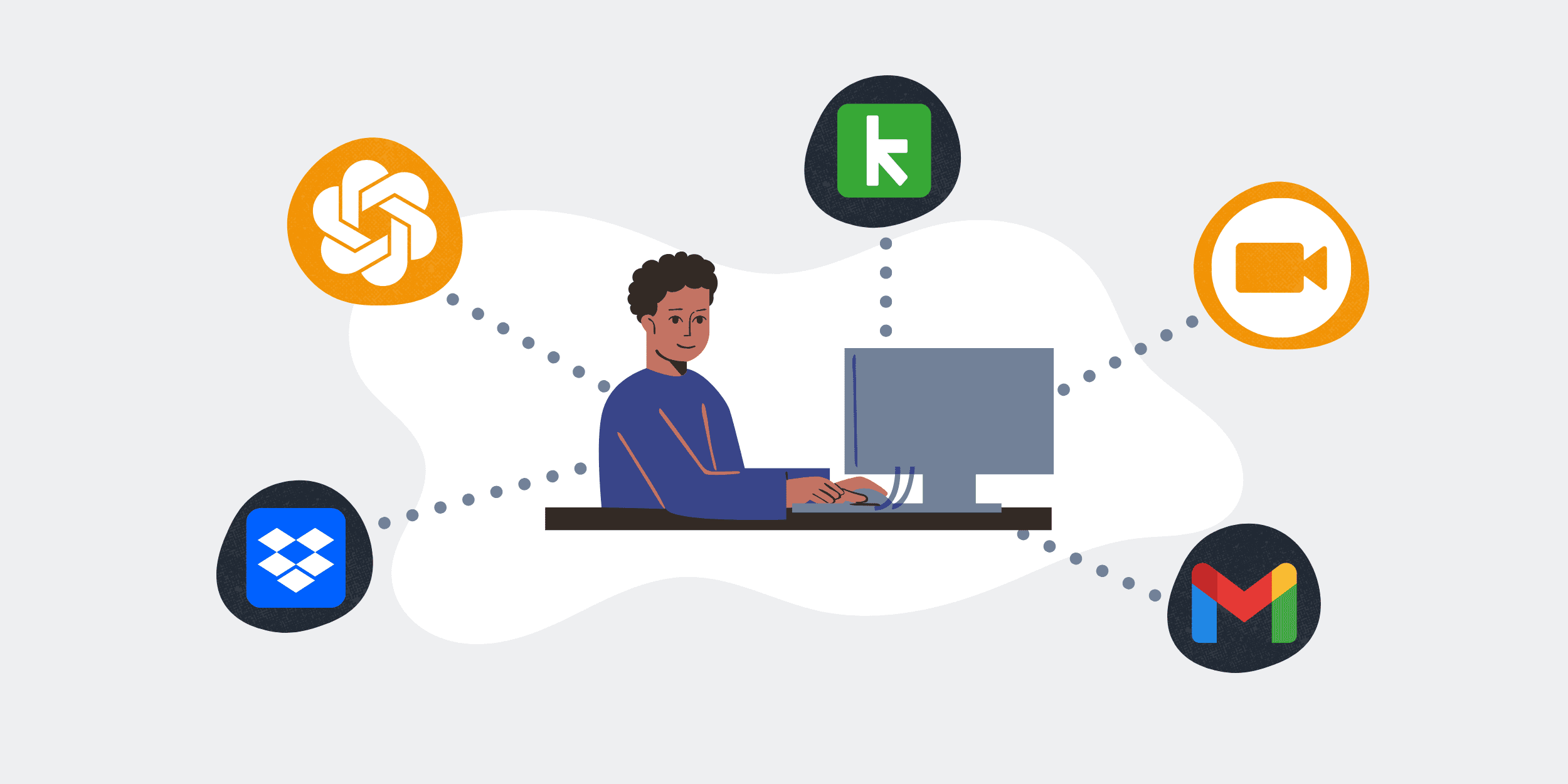
Consider the journey with automation at its core. When an application is received, an automated system sends a personalized acknowledgment, confirms receipt, and provides a clear timeline for next steps. As candidates progress, automated reminders for interviews, pre-screening questions, or assessment tasks are sent at optimal times, complete with calendar invites and relevant documents. Post-interview, automated follow-ups collect feedback and communicate estimated decision timelines. Tools like Make.com, integrated with your CRM (like Keap or HighLevel) and scheduling platforms, can orchestrate these complex sequences effortlessly, ensuring a fluid, responsive experience that drastically reduces the likelihood of candidates disengaging. Our approach integrates these various systems, turning disparate tools into a cohesive, intelligent communication engine that proactively nurtures candidates through every stage of the hiring process.
4Spot Consulting’s Approach: Strategic Automation for Recruitment Success
At 4Spot Consulting, we specialize in helping high-growth B2B companies like yours overcome these exact challenges. Our OpsMesh framework isn’t just about implementing technology; it’s about strategizing how automation and AI can transform your HR and recruiting operations to eliminate human error, reduce operational costs, and increase scalability. We start with an OpsMap™ – a strategic audit designed to uncover your unique inefficiencies, pinpoint ghosting hotspots, and roadmap profitable automations. This isn’t a one-size-fits-all solution; it’s a bespoke strategy tailored to your specific recruitment workflows and business goals.
Real-World Impact: Saving Time, Securing Talent
We’ve seen firsthand the profound impact of automating recruitment communication. Clients have reported saving hundreds of hours per month by automating resume intake, parsing, and candidate communication. This isn’t just about efficiency; it’s about giving recruiters back their day to focus on what truly matters: connecting with top talent. By implementing intelligent automation systems, companies can achieve a 24/7 engagement model without incurring additional headcount, ensuring candidates always feel heard and valued. The result? Lower ghosting rates, faster time-to-hire, and a significantly improved candidate experience that enhances your employer brand and attracts the best of the best.
Don’t let manual communication be the silent killer of your recruitment efforts. Embracing strategic automation and AI is no longer a luxury but a necessity for building a resilient, effective talent acquisition strategy in today’s dynamic market. It’s time to transform your candidate experience from a bottleneck to a competitive advantage.
If you would like to read more, we recommend this article: Reducing Candidate Ghosting: The ROI of Automated Interview Scheduling