Post: Elevate Your Hiring: 13 AI Strategies for a Superior Candidate Experience
13 Practical Ways AI Enhances Candidate Experience in Recruiting
In today’s fiercely competitive talent landscape, a superior candidate experience isn’t just a nicety—it’s a strategic imperative. Candidates, much like customers, expect efficiency, personalization, and transparency throughout their journey. Businesses that neglect this often face higher dropout rates, damage to their employer brand, and ultimately, miss out on top talent. For HR and recruiting professionals, the challenge lies in scaling this personalized experience while managing significant volumes of applications and interactions. Traditional methods often lead to bottlenecks, generic communications, and a frustrating lack of feedback for candidates, creating a negative impression that impacts future hiring efforts and even consumer perception. This is where AI steps in, not as a replacement for human touch, but as a powerful amplifier, enabling organizations to deliver seamless, engaging, and highly personalized experiences at every touchpoint. AI-driven solutions are transforming how candidates discover opportunities, apply, interview, and even onboard, ensuring that every interaction is not just efficient, but also memorable and positive. As experts in leveraging automation and AI for operational excellence, 4Spot Consulting understands that integrating these technologies isn’t about chasing fads; it’s about solving real business problems—like attracting and retaining the best people—by eliminating manual inefficiencies and elevating strategic impact. Let’s explore 13 practical ways AI is fundamentally changing the candidate experience for the better, providing actionable insights for HR leaders looking to gain a competitive edge.
1. Personalized Job Recommendations and Discovery
One of the most immediate impacts of AI on candidate experience is the ability to deliver highly personalized job recommendations. Instead of candidates sifting through hundreds of irrelevant listings, AI algorithms analyze their resumes, past applications, browsing behavior, skills, and even career aspirations to present opportunities that genuinely align with their profile. This goes beyond simple keyword matching. Advanced AI can infer transferable skills, suggest roles in new industries, and even predict potential career paths within an organization, making the job search feel less like a chore and more like a guided exploration. For instance, a candidate whose resume highlights strong project management skills in a non-tech field might be recommended a project coordinator role in a software company, something they might not have considered manually. This level of personalization significantly reduces the “noise” for job seekers, saving them time and frustration, and increasing the likelihood they will find roles where they can truly thrive. From the employer’s perspective, this means higher quality applications from candidates who are genuinely interested and well-suited, leading to more efficient recruitment cycles and better retention rates, directly contributing to a stronger talent pipeline and a more positive perception of the hiring brand.
2. AI-Powered Chatbots for Instant Support and FAQs
The ubiquity of instant messaging has trained candidates to expect immediate answers. AI-powered chatbots fulfill this expectation by providing 24/7 support, answering frequently asked questions about job descriptions, company culture, application processes, benefits, and more. These chatbots can be integrated directly into career pages, application forms, or even messaging platforms like WhatsApp. Beyond simple FAQs, sophisticated chatbots can guide candidates through the application process, troubleshoot common issues, and even collect preliminary information, making the initial interaction seamless and efficient. Imagine a candidate applying late at night who has a question about a specific document requirement; a chatbot can provide an instant answer, preventing them from abandoning the application. This immediate assistance reduces candidate frustration, improves completion rates, and frees up human recruiters from repetitive inquiries, allowing them to focus on more strategic tasks like building relationships with top talent. For 4Spot Consulting clients, integrating such a chatbot is often a foundational step in automating candidate communication, a key element of our OpsMesh™ framework for building resilient, scalable operations.
3. Automated and Intelligent Interview Scheduling
The back-and-forth of interview scheduling is notoriously time-consuming and frustrating for both candidates and recruiters. AI-driven scheduling tools eliminate this friction entirely. These systems integrate with calendars, automatically identify available slots across multiple interviewers, and allow candidates to select times that work best for them, all without human intervention. Advanced versions can even consider time zones, interviewer preferences, and specific interview panel configurations. For example, if a panel requires an engineering lead and an HR business partner, the AI can find mutually available slots, simplifying complex coordination. This not only significantly speeds up the hiring process—often reducing time-to-interview from days to minutes—but also provides candidates with a sense of control and convenience. The ability to self-schedule reduces no-shows and eliminates the perception of disorganization, creating a professional and respectful impression. For a business that values efficiency and talent attraction, streamlining this crucial touchpoint with AI is a tangible improvement that pays dividends in both candidate satisfaction and recruiter productivity, echoing our mission to save our clients 25% of their day.
4. Enhanced Application Feedback Mechanisms
One of the most common complaints from job seekers is the “black hole” of applications—submitting a resume and never hearing back. AI can significantly improve this by automating and personalizing application feedback. While it may not provide detailed, individualized critiques for every rejected candidate, AI can be leveraged to deliver timely updates on application status, inform candidates when a role has been filled, or even provide general reasons for non-selection based on initial screening criteria. More advanced systems can offer skill-gap analyses or suggest alternative roles within the company that might be a better fit based on their profile. Imagine receiving an automated email stating, “While your experience didn’t align with the specific technical requirements for Role A, our AI suggests Role B, which aligns with your project management strengths. Click here to learn more.” This level of transparency and guidance, even if automated, transforms a potentially negative experience into one that is informative and supportive, helping candidates grow and maintaining a positive perception of the employer brand. This proactive communication is crucial for building a strong talent pipeline and fostering goodwill, turning rejected applicants into potential future hires or brand advocates.
5. Pre-screening and Skill-matching Accuracy
AI’s capability to analyze vast amounts of data makes it exceptionally effective in pre-screening applications and accurately matching candidates to job requirements. Traditional manual screening is prone to human error, bias, and simply being overwhelmed by volume. AI algorithms can rapidly scan resumes, cover letters, and even public profiles (with consent) to identify relevant skills, experience, and qualifications, comparing them against the explicit and implicit requirements of a role. This precision ensures that only the most suitable candidates proceed to the next stage, saving recruiters countless hours. More importantly, it ensures that deserving candidates aren’t overlooked due to a recruiter missing a key detail or being pressed for time. For the candidate, this means a fairer initial assessment and a higher chance of being considered for roles where their skills truly shine, rather than being filtered out by a human who might have a limited understanding of specific technical nuances or transferable skills. By improving the accuracy and objectivity of the initial screening, AI significantly enhances the candidate experience by ensuring they are seen for their true potential and not just buzzwords on a resume, aligning with 4Spot Consulting’s focus on eliminating human error and increasing scalability.
6. Fairness and Bias Reduction in Candidate Selection
One of the most critical and potentially transformative applications of AI in recruiting is its ability to reduce unconscious bias. Human recruiters, despite their best intentions, can be influenced by factors such as names, gender, age, or past affiliations. AI can be trained to focus purely on skills, experience, and competencies relevant to the job, evaluating candidates based on objective criteria. This can involve anonymizing resumes during initial screening, analyzing language in job descriptions to remove gendered or biased phrasing, or using algorithms to predict job success based on validated performance indicators rather than subjective impressions. While AI systems are not inherently bias-free (as their training data can reflect societal biases), conscious efforts are being made to develop “fair AI” that actively works to mitigate these issues. For candidates, this means a more equitable evaluation process, where their qualifications and potential are the sole determinants of their progression, leading to a profound improvement in their sense of fairness and opportunity. Employers benefit from a more diverse workforce and avoiding costly discrimination lawsuits, reinforcing a positive employer brand as an inclusive organization. As 4Spot Consulting integrates AI, ethical considerations and bias mitigation are always at the forefront of our solution design.
7. Personalized Onboarding Journeys
The candidate experience doesn’t end with the job offer; a smooth and engaging onboarding process is crucial for new hire retention and productivity. AI can personalize and automate significant portions of the onboarding journey, making new employees feel valued and prepared from day one. This includes automated delivery of welcome packets, personalized task lists based on role and department, guided virtual tours of company resources or systems, and even AI-driven chatbots to answer initial HR questions. Imagine a new hire receiving a customized schedule of pre-start activities, links to relevant training modules, and introductions to key team members, all tailored to their specific role and start date. AI can also analyze a new hire’s profile to recommend relevant internal communities, mentors, or development resources, fostering a sense of belonging and accelerating their integration into the company culture. By streamlining administrative tasks and providing targeted support, AI allows human HR professionals to focus on the high-touch, relationship-building aspects of onboarding, ensuring a positive first impression that lasts, and setting the stage for long-term employee success. This pre-emptive automation aligns perfectly with our OpsBuild™ philosophy, building robust systems that support the entire employee lifecycle.
8. Automated Communication and Nurturing
Maintaining consistent and personalized communication with candidates throughout the hiring pipeline, especially for those not immediately selected, is resource-intensive but vital for a strong talent pool. AI enables automated communication campaigns that nurture relationships with passive candidates or those who are “silver medalists.” This can involve sending relevant company news, industry insights, invitations to webinars, or alerts for new job openings that match their profile. These communications can be triggered by specific events (e.g., reaching a certain stage in the application process) or based on predefined time intervals. For instance, a candidate who interviewed well but wasn’t selected for a specific role might automatically be entered into a talent pool where they receive monthly updates on similar openings. This sustained engagement keeps the employer top-of-mind, demonstrates a continued interest in their talent, and provides value even when an immediate role isn’t available. For candidates, it means they are kept in the loop and feel respected, rather than forgotten. For employers, it ensures a ready supply of pre-vetted talent, reducing future time-to-hire and associated costs, embodying 4Spot Consulting’s commitment to building intelligent, evergreen talent pipelines through automation.
9. Virtual Reality (VR) / Augmented Reality (AR) for Immersive Experiences
While still emerging, VR and AR technologies, often powered by underlying AI, offer an unparalleled immersive candidate experience. These tools can provide virtual office tours, realistic job simulations, or even interactive meetings with future team members, regardless of geographical location. Imagine a candidate in another state taking a virtual walk through their potential new office, experiencing a day in the life of the role through a simulated task, or meeting their future colleagues in a VR conference room. This goes far beyond static videos or brochures, offering a truly engaging and informative preview of the role and culture. For high-stakes roles or remote positions, VR/AR can bridge the gap of physical presence, allowing candidates to “experience” the company before making a commitment. This technology demonstrates a company’s innovation and commitment to providing a cutting-edge experience, making the employer stand out in a crowded market. It helps candidates make more informed decisions, reducing misaligned expectations and improving long-term fit, which is a crucial aspect of successful hiring for our B2B clients who prioritize retention and operational stability.
10. Predictive Analytics for Proactive Engagement
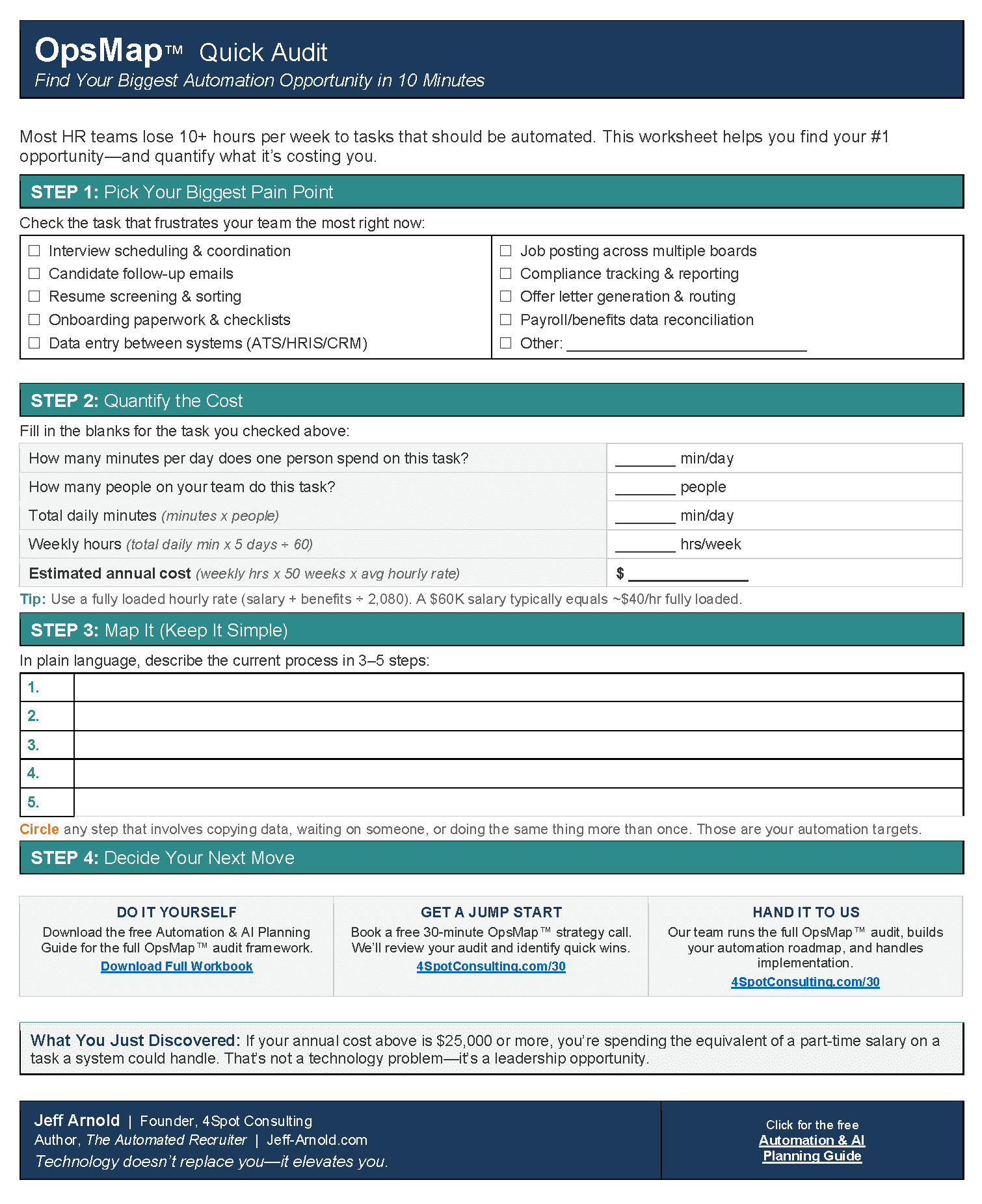
AI’s ability to analyze patterns and predict future outcomes can be leveraged to proactively enhance the candidate experience. By analyzing data points such as application drop-off rates at specific stages, typical candidate questions, or even market trends, AI can identify potential friction points in the hiring process before they become widespread problems. For example, if predictive analytics show a high drop-off rate after a particular assessment, the system might suggest simplifying the assessment or providing more preparatory resources. AI can also predict which candidates are most likely to accept an offer, or which talent pools are most likely to yield successful hires, allowing recruiters to tailor their engagement strategies accordingly. This proactive approach allows organizations to continually optimize their candidate journey, identifying areas for improvement and implementing solutions before candidates even encounter a problem. For candidates, this means a smoother, more intuitive, and continually refined experience that feels thoughtfully designed, rather than reactive. This data-driven optimization is at the heart of 4Spot Consulting’s OpsMap™ strategic audit, where we uncover inefficiencies and identify opportunities for intelligent automation.
11. Sentiment Analysis of Candidate Feedback
Collecting candidate feedback through surveys is common, but manually sifting through qualitative data to identify trends and actionable insights is often overwhelming. AI-powered sentiment analysis tools can automatically process large volumes of candidate feedback, whether from surveys, chatbot interactions, or social media mentions, to gauge overall sentiment and pinpoint specific areas of dissatisfaction or praise. For example, if numerous candidates consistently express frustration about a particular stage of the interview process (e.g., “too many rounds,” “unclear instructions”), sentiment analysis can quickly flag these recurring themes. This provides HR and recruiting teams with immediate, data-driven insights into what’s working well and what needs improvement in their candidate experience. The ability to rapidly understand and respond to candidate sentiment allows organizations to make real-time adjustments, demonstrating a commitment to continuous improvement and candidate-centricity. This responsiveness not only improves the experience for future applicants but also enhances the employer’s reputation as a company that listens and cares, contributing to a virtuous cycle of attracting and retaining top talent—a key objective for all our growth-focused clients.
12. Multilingual Support and Global Reach
For organizations with a global footprint or those looking to attract diverse international talent, language barriers can be a significant hurdle in providing an inclusive candidate experience. AI-driven translation tools and multilingual chatbots can seamlessly bridge these gaps, offering candidates the ability to interact with career sites, application forms, and initial support in their preferred language. This goes beyond simple Google Translate; advanced AI can provide contextually accurate translations and localize content to be culturally appropriate. Imagine a candidate in Germany interacting with a company’s career portal in flawless German, receiving job descriptions and application instructions that feel native, even if the core content was originally in English. This capability not only expands the talent pool by making opportunities accessible to a wider demographic but also demonstrates a genuine commitment to diversity and inclusion. By removing language as a barrier, AI ensures that all candidates, regardless of their native tongue, can have an equally positive and clear experience, making the application process equitable and inviting for a global workforce, an increasingly important consideration for our B2B clients expanding their reach.
13. AI-Driven Upskilling and Reskilling Recommendations
Beyond immediate hiring, AI can enhance the candidate experience by offering value even to those who aren’t a perfect fit today, or to existing employees considering internal moves. By analyzing a candidate’s skills and experience against current and future job market demands, AI can recommend specific courses, certifications, or training programs to help them upskill or reskill. For instance, a candidate who applies for a data science role but lacks specific Python expertise might receive automated recommendations for relevant online courses. This can be offered as part of the personalized feedback mechanism, turning a rejection into a developmental opportunity. For internal candidates, AI can guide career development paths, suggesting learning modules that prepare them for future roles within the company. This positions the employer as an organization that invests in talent development, whether that talent is hired or simply engaging with the brand. It transforms the recruiting process into a talent ecosystem, providing continuous value and fostering long-term relationships with a skilled workforce, reflecting 4Spot Consulting’s strategic vision for leveraging AI beyond just the hiring funnel, into full talent lifecycle management.
The integration of AI into the recruiting process is no longer a futuristic concept; it’s a present-day reality that is fundamentally reshaping how organizations engage with talent. From the initial point of discovery to personalized onboarding and even ongoing talent development, AI provides unparalleled opportunities to create a candidate experience that is efficient, empathetic, and exceptionally effective. For HR and recruiting professionals, this means moving beyond transactional interactions to foster genuine connections, reduce administrative burdens, and make more informed, unbiased hiring decisions. For candidates, it translates into a seamless, transparent, and respectful journey, where their skills are accurately recognized, their questions are instantly answered, and their potential is fully considered. At 4Spot Consulting, we believe that leveraging these AI advancements isn’t just about adopting new technology; it’s about strategically re-engineering your talent acquisition processes to save significant time, eliminate human error, and achieve superior business outcomes. By thoughtfully integrating AI, businesses can build a formidable employer brand and secure the talent advantage needed to thrive in an ever-evolving market. Ready to see how AI can transform your recruiting operations and elevate your candidate experience?
If you would like to read more, we recommend this article: Reducing Candidate Ghosting and Boosting ROI with Automated Interview Scheduling
RELATED POST