Post: **Advanced Automation & AI: Eliminate Candidate Ghosting, Maximize Recruitment ROI**
7 Advanced Automation Strategies to Reduce Candidate Ghosting and Boost Recruitment ROI
Candidate ghosting has become an unfortunate reality in today’s competitive talent landscape, costing businesses countless hours and significant financial resources. It’s not just about a candidate failing to show up for an interview; it’s the cumulative effect of lost productivity, extended time-to-hire, and a damaged employer brand. While basic automated interview scheduling has provided a baseline of efficiency, the real competitive edge in reducing ghosting and dramatically boosting recruitment ROI comes from a more strategic, integrated approach to automation and AI.
At 4Spot Consulting, we see automation not as a collection of disjointed tools, but as an orchestrated system designed to eliminate human error, reduce operational costs, and increase scalability. We help high-growth B2B companies leverage solutions like Make.com, Keap, and AI to transform their HR and recruiting operations, driving tangible outcomes like 240% production increases and millions in annual savings. This isn’t just about sending automated reminders; it’s about creating an intelligent, engaging candidate journey that proactively addresses potential drop-off points, builds stronger relationships, and ensures your recruitment funnel is running at peak performance. The goal is to move beyond mere convenience to strategic advantage, turning potential ghosting into successful hires. Let’s explore seven advanced automation strategies that can help you achieve precisely that.
1. AI-Powered Predictive Engagement & Nurturing Workflows
One of the most powerful applications of AI in recruitment automation is its ability to analyze candidate behavior and predict potential ghosting risks. Beyond simple “no-show” indicators, AI can process data points from CRM interactions, email open rates, response times, and even social media engagement to flag candidates who might be disengaging. When a candidate is identified as “at-risk,” automated workflows are immediately triggered. These aren’t generic emails; they are highly personalized nurturing sequences designed to re-engage. For instance, if a candidate shows less enthusiasm after an initial screening, an AI-powered system could send a personalized message highlighting a specific aspect of the company culture, a relevant employee testimonial, or even a tailored piece of content about the role’s impact, all designed to reignite interest. This predictive approach, often orchestrated through platforms like Make.com integrating with CRM systems like Keap, allows recruiters to intervene proactively, transforming a potential loss into a retained, engaged candidate. The sheer volume of data involved makes human analysis impractical, but AI thrives on it, providing invaluable insights that directly translate into improved candidate retention and, ultimately, a healthier ROI from your recruiting efforts.
2. Automated Pre-Interview Warm-Up & Content Delivery Sequences
Many candidates ghost because they simply lose interest, feel unprepared, or aren’t fully convinced the opportunity is right for them. An advanced automation strategy can mitigate this by delivering a carefully crafted series of “warm-up” content prior to their interview. This goes beyond a standard calendar invite. Imagine a sequence that starts 48 hours before the interview, sending a personalized email with links to company culture videos, employee success stories, or a blog post from a hiring manager that offers insights into the team’s vision. A follow-up 24 hours prior could include a concise overview of the interview agenda, bios of the interviewers, and practical tips for success. For highly specific roles, this automation could even deliver a short article or case study relevant to the candidate’s skills, giving them a mental edge and demonstrating the company’s commitment to their success. These sequences, built and managed using tools like Make.com connected to your applicant tracking system (ATS) and email marketing platform, ensure candidates feel valued, informed, and genuinely excited about the opportunity, significantly reducing the likelihood of a no-show. This not only boosts attendance rates but also improves the quality of interviews by ensuring candidates arrive better prepared and more engaged, translating directly into faster hires and improved recruiter efficiency.
3. Dynamic Feedback Loops & Candidate Sentiment Analysis
Understanding candidate sentiment in real-time is crucial for preventing ghosting. Advanced automation allows for the creation of dynamic feedback loops at various stages of the recruitment process. After an interview, instead of a generic “thank you,” an automated message can include a quick, anonymous survey asking about their experience, the clarity of the role, or any concerns. AI algorithms can then analyze these free-text responses for sentiment, identifying keywords or phrases that indicate disengagement, confusion, or dissatisfaction. For example, if multiple candidates express confusion about the next steps or the role’s responsibilities, the system can flag this for a recruiter, allowing them to proactively reach out with clarification. This immediate feedback helps identify systemic issues in the hiring process that might be contributing to ghosting. Furthermore, by integrating this feedback with CRM data, 4Spot Consulting can help you build comprehensive profiles that inform future interactions, ensuring a more tailored and positive candidate experience. This continuous, automated feedback loop not only reduces ghosting by enabling swift intervention but also provides invaluable data for continuous process improvement, ensuring your recruitment strategy remains agile and candidate-centric, ultimately boosting your long-term ROI.
4. Multi-Channel Interview Logistics & Smart Reminders
Ghosting often occurs due to simple logistical oversights or a lack of persistent, multi-channel communication. Moving beyond basic calendar invites, advanced automation leverages multiple communication channels to ensure candidates are fully prepared and reminded. This includes not only email and calendar invites but also SMS reminders (sent strategically at 24-hour and 2-hour intervals), automated WhatsApp messages, or even AI-powered voice calls (using tools like Bland AI) that confirm attendance or offer last-minute assistance. For in-person interviews, automation can provide dynamic directions, parking instructions, and contact details for reception, adapting to traffic conditions or venue changes. The key is intelligent sequencing: if an email reminder isn’t opened, an SMS is sent. If the SMS isn’t acknowledged, a follow-up call might be triggered. This “redundant” but smart communication strategy ensures that critical information reaches the candidate through their preferred or most effective channel. By minimizing logistical friction and maintaining consistent, helpful communication, you demonstrate professionalism and care, significantly reducing the chances of a candidate simply forgetting or becoming disengaged due to poor communication. This proactive approach ensures a higher interview show-up rate and improves overall candidate experience, directly impacting your time-to-hire and cost-per-hire metrics.
5. Automated Offer Management & Pre-Onboarding Preparation
The period between offer acceptance and the first day can be a high-risk zone for “cold feet” or counter-offers, leading to late-stage ghosting. Advanced automation can solidify a candidate’s commitment and ensure a seamless transition into onboarding. Once an offer is accepted, automated workflows can immediately trigger the generation of necessary paperwork via tools like PandaDoc, send welcome packs with company swag, and initiate pre-boarding tasks. This might include setting up IT accounts, sending links to introductory training modules, or providing access to internal communication channels to meet future team members virtually. The aim is to keep the new hire engaged and excited, reducing the psychological gap between acceptance and start date. For example, a personalized video message from the CEO or a future team member, delivered automatically, can make a significant impact. By leveraging tools integrated through Make.com, businesses can ensure all pre-onboarding steps are completed without manual intervention, reducing human error and freeing up HR staff. This proactive engagement makes the new hire feel valued and integrated even before their official start, drastically reducing the likelihood of last-minute ghosting and significantly improving retention rates, turning accepted offers into successful, long-term employees.
6. Personalized Post-Interview Follow-Up with AI
Generic post-interview follow-ups are often overlooked, but personalized communication can be a powerful tool against ghosting. Advanced automation, powered by AI, can craft highly specific and relevant follow-up messages based on the actual content and flow of the interview. Imagine an AI analyzing interview transcripts or recruiter notes to identify key discussion points, candidate strengths, or specific questions asked. The automated follow-up could then reference these points directly: “It was great discussing your experience with X project, and we particularly enjoyed hearing about your approach to Y challenge.” This level of personalization makes candidates feel truly seen and valued, not just another number in the pipeline. Furthermore, AI can be used to answer common follow-up questions proactively, linking to relevant FAQs or internal resources. This not only keeps the candidate engaged but also manages expectations and provides transparency, which are crucial for maintaining interest. By integrating AI into your communication workflows via platforms like Make.com, you can scale this level of personalization, ensuring every candidate receives a thoughtful, relevant follow-up that reinforces their connection to your company and significantly reduces the chances of them disengaging due to a lack of perceived interest or clarity.
7. Data-Driven Workflow Optimization with OpsMesh™
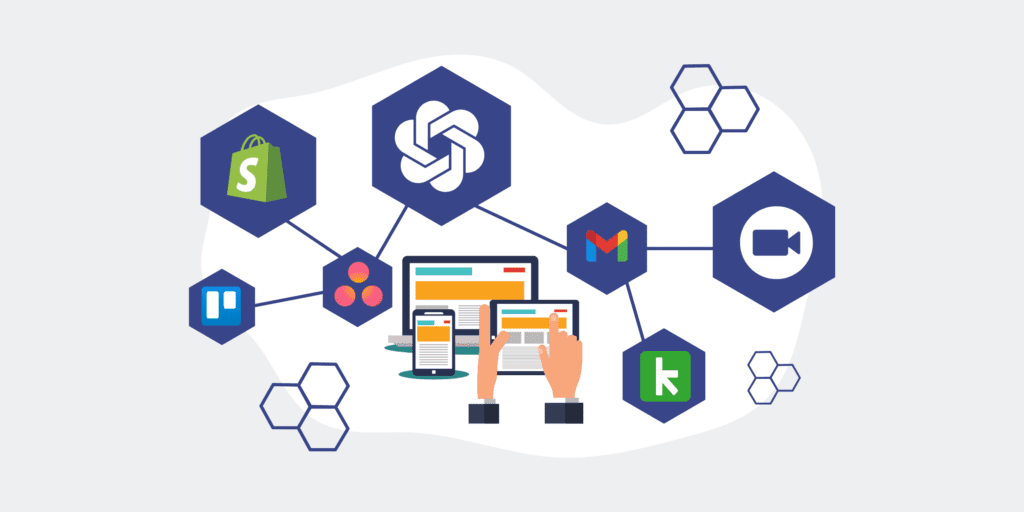
The ultimate strategy for reducing ghosting and maximizing recruitment ROI lies in continuous, data-driven optimization of your entire recruitment funnel, a concept central to 4Spot Consulting’s OpsMesh™ framework. By integrating all your automation touchpoints—from initial candidate outreach to offer acceptance—you create a comprehensive data ecosystem. This allows you to track not just where candidates drop off, but *why*. For instance, if data reveals a significant drop-off between the second interview and the offer stage, OpsMesh™ enables you to quickly identify potential causes: Is the interview process too long? Are expectations being set correctly? Is the offer letter clear enough? AI can then analyze this aggregated data to pinpoint bottlenecks, suggest workflow adjustments, and even predict the impact of changes. Through Make.com, we can connect dozens of SaaS systems, enabling a ‘single source of truth’ for all candidate data. This holistic view allows for agile adjustments to your automation sequences, ensuring they are always optimized for engagement and conversion. By systematically eliminating inefficiencies and proactively addressing points of friction, you create a recruitment process that is not only highly efficient but also exceptionally candidate-friendly, drastically reducing ghosting and consistently delivering high ROI from your talent acquisition investments.
The era of passive recruitment automation is over. To truly combat candidate ghosting and achieve superior recruitment ROI, HR and recruiting professionals must adopt an advanced, strategic approach to automation and AI. The seven strategies outlined above demonstrate how integrated systems can create a highly engaging, transparent, and efficient candidate journey, transforming potential drop-offs into successful hires. By leveraging expert consulting and powerful tools, you can move beyond basic scheduling to predictive engagement, personalized communication, and continuous process optimization. This isn’t just about making your life easier; it’s about fundamentally reshaping your talent acquisition strategy to be more resilient, more effective, and more profitable.
If you would like to read more, we recommend this article: Reducing Candidate Ghosting and Boosting ROI with Automated Interview Scheduling



RELATED POST