How to Streamline Your Client Onboarding Process with Automation and AI: A Step-by-Step Guide
Client onboarding is a critical phase for any business, setting the tone for the entire relationship. Yet, it’s often riddled with manual bottlenecks, inconsistencies, and missed opportunities, costing businesses valuable time and eroding client satisfaction. At 4Spot Consulting, we understand that inefficiencies here don’t just delay project starts; they impact your bottom line and reputation. This guide provides a strategic, step-by-step approach to transform your onboarding process using the power of automation and AI, ensuring a smooth, scalable, and exceptional client experience from day one.
Step 1: Map Your Current Onboarding Journey
Before you can effectively automate, you must thoroughly understand and document your existing client onboarding process. This involves meticulously outlining every single touchpoint, task, and responsible party, from the initial contract signing to project kickoff and beyond. Identify all required documents, communication flows, data entry points, and approval stages. Pay close attention to handoffs between departments and any areas where information is manually duplicated or prone to error. Creating a visual “OpsMap” of this journey is crucial for revealing hidden inefficiencies and gaining a comprehensive understanding of the current client experience. This foundational step ensures that your automation efforts are targeted, impactful, and address real pain points rather than simply digitizing a broken process.
Step 2: Identify Automation Opportunities
With your current onboarding journey clearly mapped and understood, the next strategic step is to pinpoint specific tasks that are ripe for automation. Focus on repetitive, rule-based activities that consume significant time but offer minimal value when performed manually. Prime examples include sending standardized welcome emails, collecting initial client data via forms, generating standard contracts or proposals, scheduling introductory meetings, and setting up access to client portals or shared drives. Consider tasks that naturally trigger subsequent actions, such as a signed contract automatically initiating an invoice or a client completing a form populating their CRM profile. By automating these predictable and time-consuming elements, your team can redirect their valuable energy toward higher-value activities that demand human nuance and strategic insight, such as personalized client communication and deeper relationship building.
Step 3: Choose the Right Automation Tools
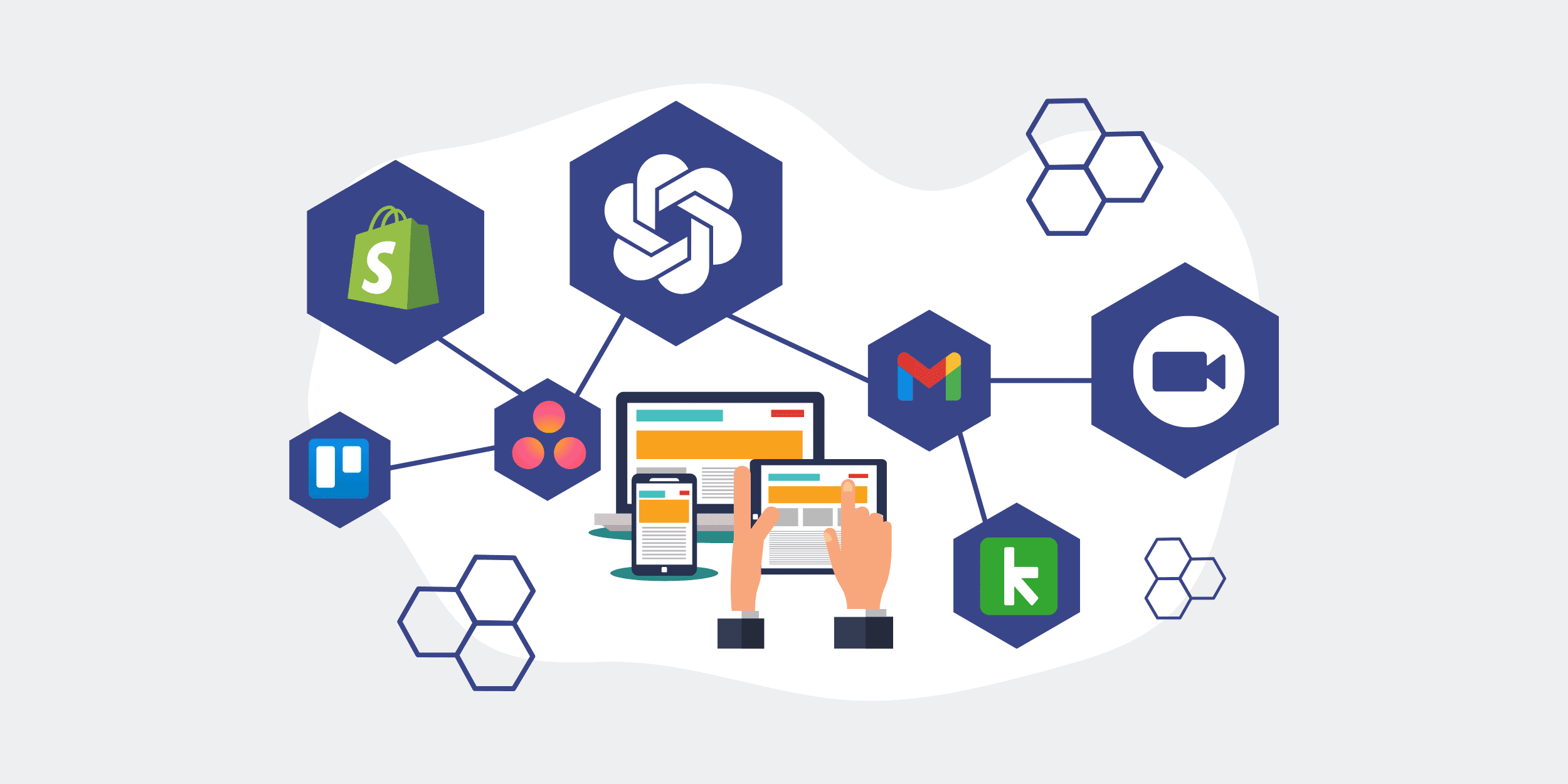
Selecting the appropriate technology stack is paramount to the successful implementation of client onboarding automation. For seamlessly connecting disparate systems and orchestrating complex workflows, platforms like Make.com (formerly Integromat) are invaluable, acting as the central nervous system for your entire automation infrastructure. For robust CRM and client data management, essential platforms such as Keap or HighLevel are critical for maintaining a single, consistent source of truth. Document generation and e-signature tools like PandaDoc can automate the creation and signing of contracts, while AI-powered communication platforms can intelligently handle initial client queries or segment communications for targeted outreach. Evaluate potential tools based on their integration capabilities, scalability, security features, and the ease of use for your team. A strategic choice of tools ensures seamless data flow and efficient process execution across your entire tech ecosystem.
Step 4: Design and Build Your Automated Workflows
Once you have your comprehensive process map and have selected your arsenal of automation tools, it’s time to methodically design and build your automated workflows. This involves meticulously breaking down the entire onboarding process into logical sequences of automated tasks. For instance, a “Client Welcome” workflow might be triggered automatically upon contract signing, which then proceeds to send a personalized welcome email, create a dedicated client folder in your cloud storage, and assign initial tasks within your project management system. Ensure that each step in the workflow has clearly defined triggers, specific actions, and robust conditional logic to gracefully handle various client scenarios or data inputs. Building these workflows requires a meticulous approach, with thorough testing of each segment to ensure data integrity, smooth transitions, and reliable operation. This structured development process prevents future operational glitches and ensures a robust, reliable system.
Step 5: Integrate AI for Enhanced Personalization and Efficiency
Moving beyond basic automation, strategically integrating AI can elevate your client onboarding experience to an entirely new level of sophistication and effectiveness. AI can leverage client data to personalize communications, recommend highly relevant resources, or even pre-populate complex forms, significantly reducing the client’s effort and improving their initial experience. For example, AI can analyze client profiles to segment new clients based on industry, size, or specific needs, triggering highly customized onboarding tracks. It can also be employed for natural language processing (NLP) to parse incoming client information from emails or documents, automatically extracting key details and updating CRM records without manual intervention. Furthermore, AI can enhance customer support during the onboarding phase by providing instant answers to common questions through intelligent chatbots, thereby freeing up human agents for more complex and relationship-driven inquiries. Strategic AI integration doesn’t just save time; it cultivates a more responsive, tailored, and ultimately impressive client experience.
Step 6: Test, Iterate, and Train Your Team
Before full-scale deployment, rigorous and comprehensive testing of your automated onboarding workflows is absolutely non-negotiable. Conduct multiple simulated client journeys, meticulously testing every possible pathway, conditional logic branch, and integration point to ensure flawless operation. Actively gather feedback from a small, internal group of users and even consider piloting with a few trusted clients to identify any unforeseen issues or areas for improvement in a real-world context. Simultaneously, invest in comprehensive training for your entire team. Ensure every team member understands precisely how the new automated system operates, their redefined roles within it, and how to effectively troubleshoot common issues. Empowering your team with knowledge and confidence in the new system is critical for its successful adoption and long-term sustainability, transforming them from manual processors into strategic overseers of an efficient system.
Step 7: Monitor Performance and Optimize Continuously
The successful implementation of automated onboarding is not a one-time project; it is an ongoing process of diligent monitoring and continuous optimization. Establish clear and measurable key performance indicators (KPIs) such as average onboarding time, client satisfaction scores (CSAT), error rates, and quantifiable team efficiency gains. Regularly review these metrics to identify any emergent bottlenecks or areas where automation could be further refined, expanded, or made more robust. The business landscape and client expectations are constantly evolving, and your automated processes must evolve in tandem to remain effective. Schedule periodic audits of your workflows, leverage the powerful analytics provided by your automation platforms, and stay abreast of new technological advancements and best practices. This continuous improvement mindset ensures your client onboarding system remains cutting-edge, highly efficient, and consistently aligned with your overarching strategic business goals.
If you would like to read more, we recommend this article: The Power of AI in Business Growth: Strategies for Modern Enterprises