Revolutionizing Talent Acquisition: How AI and Automation Are Reshaping HR
The landscape of talent acquisition has never been more dynamic, presenting both immense opportunities and significant challenges for businesses striving to secure top talent. For years, HR and recruiting professionals have grappled with a deluge of manual, time-consuming tasks – from sifting through countless resumes and scheduling interviews to managing mountains of data across disparate systems. This operational quagmire doesn’t just slow down hiring; it saps productivity, introduces human error, and ultimately impacts a company’s bottom line and its ability to scale effectively. Many leaders recognize the bottleneck but struggle to identify a practical, ROI-driven path forward.
At 4Spot Consulting, we understand that true efficiency isn’t just about doing things faster; it’s about doing the right things strategically and flawlessly. We’ve observed firsthand how traditional approaches to talent acquisition often leave high-value employees buried under low-value work, preventing them from focusing on the strategic elements of attracting, engaging, and retaining the best people. The promise of technology often feels elusive, leading to piecemeal solutions that merely shift problems rather than solving them fundamentally.
The Hidden Costs of Manual Recruitment Processes
Every manual step in the recruitment funnel carries a hidden cost. Consider the hours spent manually parsing resumes, extracting data, and entering it into a CRM or applicant tracking system. Think about the intricate dance of scheduling interviews across multiple calendars, sending reminders, and coordinating feedback. These aren’t just administrative burdens; they are direct drains on financial resources and, critically, on the most valuable asset: your team’s time. Errors in data entry can lead to misplaced applications, missed follow-ups, and a fragmented candidate experience that damages your employer brand.
Beyond the immediate financial implications, manual processes severely hamper scalability. As your business grows, the volume of hiring typically increases, magnifying these inefficiencies. What was once a manageable bottleneck becomes a critical choke point, restricting your ability to expand and innovate. This is precisely where the strategic integration of AI and automation becomes not just an advantage, but a necessity for competitive survival and sustained growth.
Unlocking Efficiency with AI-Powered Automation in HR
The solution lies in creating an intelligent, interconnected ecosystem where routine tasks are handled by automated workflows, and AI provides critical insights and enhances decision-making. Imagine a system where a new application is automatically parsed, relevant data extracted, and the candidate immediately moved into the appropriate stage of your recruitment funnel, all without human intervention. This isn’t futuristic fantasy; it’s operational reality with the right framework.
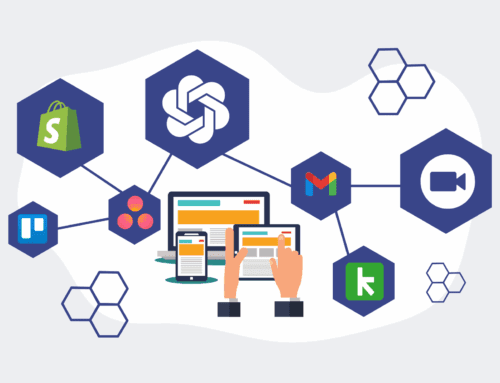
By leveraging tools like Make.com alongside AI, we can orchestrate complex workflows that connect your job boards, CRMs (like Keap or HighLevel), communication platforms, and internal databases. This eliminates manual data entry, reduces the risk of human error, and ensures a “single source of truth” for all candidate information. AI, in this context, can go beyond simple parsing, offering capabilities like preliminary candidate screening based on predefined criteria, sentiment analysis from candidate communications, or even assisting in crafting personalized outreach.
Implementing a Strategic Automation Playbook: The 4Spot Approach
At 4Spot Consulting, our strategic-first approach ensures that technology serves your business goals, not the other way around. We begin with an OpsMap™—a diagnostic audit designed to pinpoint the exact inefficiencies costing your HR and recruiting teams time and money. This isn’t about guesswork; it’s about a methodical uncovering of bottlenecks and a strategic mapping of automation opportunities tied directly to ROI.
Following the OpsMap™, our OpsBuild™ phase translates strategy into tangible systems. This is where we implement tailored AI and automation solutions, often utilizing Make.com to integrate dozens of disparate systems. For instance, we recently partnered with an HR tech client who was drowning in manual resume intake and parsing. By automating their process using Make.com and AI enrichment, we were able to save them over 150 hours per month, syncing all critical data seamlessly into their Keap CRM. This client went from “drowning in manual work to having a system that just works.”
Beyond Implementation: Ongoing Optimization and Support with OpsCare™
Our commitment extends beyond initial setup. Through our OpsCare™ program, we provide ongoing support, optimization, and iteration of your automation infrastructure. The talent acquisition landscape is constantly evolving, and your systems should evolve with it. We ensure your AI and automation solutions remain cutting-edge, efficient, and aligned with your business objectives, continually identifying new opportunities for optimization and further freeing up your high-value employees.
The transition from a manual, error-prone recruitment process to an automated, AI-enhanced talent acquisition machine is not just about adopting new tools; it’s about embracing a new operational paradigm. It’s about saving valuable time, reducing operational costs, eliminating human error, and ultimately, building a more scalable and resilient business. By offloading the low-value, repetitive tasks, your HR and recruiting teams can focus on what truly matters: strategic talent planning, candidate engagement, and fostering an exceptional employee experience.
Ready to uncover automation opportunities that could save your HR team 25% of their day and revolutionize your talent acquisition strategy? Book your OpsMap™ call today to see how we can transform your operations.
If you would like to read more, we recommend this article: The OpsMesh Framework: Building Your Scalable Automation Ecosystem