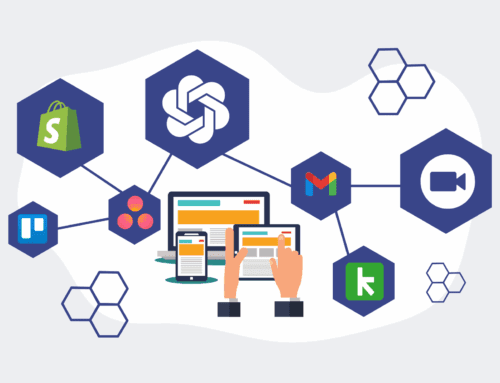
A Glossary of Key Terms in HR and Recruiting Automation
In today’s fast-evolving talent landscape, HR and recruiting professionals are increasingly leveraging automation and artificial intelligence to streamline processes, enhance candidate experiences, and make data-driven decisions. Navigating this technological shift requires a clear understanding of the core concepts. This glossary provides essential definitions for key terms, empowering you to speak confidently about and implement cutting-edge solutions that drive efficiency and strategic value within your organization.
Automation
Automation in HR and recruiting refers to the use of technology to perform tasks that were traditionally done manually, without human intervention. This can range from simple, repetitive administrative tasks to complex, multi-step workflows. For HR professionals, automation can drastically reduce the time spent on data entry, scheduling interviews, sending follow-up emails, or generating standard reports. By automating these processes, teams can reallocate valuable human resources to higher-value activities like strategic planning, candidate engagement, and employee development. The goal is not just to save time but to improve accuracy, consistency, and scalability across all HR functions, leading to more efficient operations and a better overall experience for candidates and employees alike.
Artificial Intelligence (AI)
Artificial Intelligence (AI) encompasses computer systems capable of performing tasks that typically require human intelligence, such as learning, problem-solving, decision-making, and understanding language. In HR and recruiting, AI applications are transforming how organizations identify, attract, and retain talent. This includes AI-powered resume screening to identify best-fit candidates, chatbots for answering applicant questions 24/7, predictive analytics to forecast retention risks, and even tools for analyzing interview performance. While AI enhances efficiency and reduces bias in certain stages, its primary role is to augment human capabilities, allowing recruiters and HR leaders to focus on the human-centric aspects of their roles, fostering stronger relationships and more strategic outcomes.
Machine Learning (ML)
Machine Learning (ML) is a subset of AI that allows computer systems to learn from data without being explicitly programmed. ML algorithms identify patterns and make predictions or decisions based on historical data. In the HR context, ML is crucial for predictive hiring—analyzing past successful hires to identify characteristics of ideal candidates—or for personalized learning recommendations based on an employee’s career path and skill gaps. For instance, ML can optimize job ad targeting by learning which platforms yield the best applicants, or predict employee turnover by identifying key indicators in employee data. Understanding ML helps HR leaders grasp how AI systems evolve and improve over time, continually refining their ability to support talent management strategies.
Natural Language Processing (NLP)
Natural Language Processing (NLP) is an AI discipline focused on enabling computers to understand, interpret, and generate human language. NLP is highly valuable in HR and recruiting for tasks involving large volumes of unstructured text data, such as resumes, job descriptions, interview transcripts, and employee feedback. For example, NLP can automatically extract relevant skills and experiences from resumes, screen applications for keyword matches, or analyze sentiment in employee surveys to gauge engagement. It powers conversational AI tools like recruitment chatbots, allowing them to comprehend candidate queries and provide accurate responses. By automating the analysis of language, NLP significantly speeds up the screening process and provides deeper insights into candidate qualifications and employee sentiment.
Robotic Process Automation (RPA)
Robotic Process Automation (RPA) involves using software robots (bots) to mimic human actions and automate repetitive, rule-based tasks performed across various applications and systems. Unlike more complex AI, RPA focuses on automating specific, predictable workflows without needing deep intelligence or understanding. In HR, RPA can be used to onboard new hires by automatically entering data into multiple systems, processing payroll updates, generating standard offer letters, or initiating background checks. It’s particularly effective for connecting disparate systems that don’t have direct API integrations, acting as a “digital employee” to perform clicks, copy-pasting, and data validation. RPA liberates HR teams from tedious, error-prone tasks, improving compliance and overall operational efficiency.
Applicant Tracking System (ATS)
An Applicant Tracking System (ATS) is a software application designed to help recruiters and employers manage the recruiting and hiring process. It serves as a central database for job openings, applicant information, resumes, and communication logs. An ATS automates various stages of the recruitment funnel, including posting jobs to multiple boards, screening candidates based on keywords, scheduling interviews, and tracking application statuses. For HR professionals, an ATS is indispensable for maintaining compliance, streamlining workflows, and ensuring a consistent candidate experience. Integrated with other automation tools, an ATS can significantly reduce administrative burden, accelerate time-to-hire, and provide valuable analytics on recruitment performance.
Candidate Relationship Management (CRM)
A Candidate Relationship Management (CRM) system, often used in conjunction with or integrated into an ATS, focuses on building and nurturing relationships with potential candidates, both active and passive. Unlike an ATS which primarily tracks applicants through the hiring process, a recruiting CRM aims to build a talent pipeline for future roles. It stores information about candidates, manages communication through email campaigns and personalized outreach, and tracks interactions over time. For HR and recruiting teams, a CRM is vital for proactive sourcing, employer branding, and engaging high-potential talent before specific roles even open. By maintaining a robust talent pool, organizations can reduce time-to-fill and improve the quality of hires, especially for hard-to-find roles.
Talent Acquisition (TA)
Talent Acquisition (TA) is the strategic process of identifying, attracting, assessing, and hiring skilled individuals to meet an organization’s current and future workforce needs. It is a broader, more strategic function than traditional recruiting, focusing on long-term workforce planning, employer branding, candidate experience, and succession planning. Automation plays a critical role in modern TA by streamlining sourcing, screening, and administrative tasks, allowing TA specialists to focus on strategic initiatives. AI-powered tools can enhance TA by predicting talent needs, identifying best-fit candidates through advanced analytics, and personalizing outreach. Effective TA is essential for sustained organizational growth and competitive advantage in the talent market.
Workflow Automation
Workflow automation involves designing and implementing automated sequences of tasks, actions, and decisions to execute a business process efficiently. In HR, this means transforming multi-step procedures—like employee onboarding, performance review cycles, or leave requests—into automated workflows. For example, an onboarding workflow might automatically trigger welcome emails, assign training modules, provision IT accounts, and schedule check-ins, all based on predefined rules. By automating these workflows, organizations eliminate manual handoffs, reduce human error, ensure compliance, and significantly speed up process completion. This allows HR teams to manage a higher volume of tasks with greater accuracy, improving employee satisfaction and operational coherence.
API (Application Programming Interface)
An API, or Application Programming Interface, is a set of rules and protocols that allows different software applications to communicate and exchange data with each other. In the context of HR and recruiting automation, APIs are fundamental for integrating various HR tech tools, such as an ATS with a payroll system, an HRIS with a performance management platform, or a communication tool with a scheduling application. Instead of manual data entry or clunky workarounds, an API enables seamless, real-time data flow between systems. Understanding APIs is key for HR leaders looking to build a cohesive, integrated HR tech stack, as they facilitate the smooth operation of automated workflows across multiple platforms, creating a true “single source of truth.”
Webhook
A webhook is an automated message sent from an application when a specific event occurs, acting as a real-time notification mechanism. Unlike an API, which typically requires a request to pull information, a webhook “pushes” data to a predefined URL whenever an event happens. In HR automation, webhooks are incredibly powerful for triggering workflows instantly. For instance, when a candidate status changes in an ATS (e.g., from “Applied” to “Interview Scheduled”), a webhook can immediately notify a scheduling tool to send an invitation, or update a CRM. This real-time data transfer eliminates delays, ensures data consistency across systems, and allows for highly responsive and dynamic automated processes critical for an agile HR function.
Integration
Integration in HR refers to the process of connecting different HR software systems or modules so they can share data and functionality seamlessly. For example, integrating an Applicant Tracking System (ATS) with a Human Resources Information System (HRIS) means that once a candidate is hired in the ATS, their data automatically transfers to the HRIS for onboarding and payroll without manual re-entry. Effective integration is crucial for creating a unified HR tech ecosystem, eliminating data silos, reducing manual work, and ensuring data accuracy. Modern HR automation strategies heavily rely on robust integrations, often facilitated by APIs and webhooks, to optimize the entire employee lifecycle from recruitment to offboarding, driving overall operational efficiency.
Data Orchestration
Data orchestration is the automated process of collecting, transforming, and moving data between various systems to ensure it is consistently available and usable where needed. In HR, this means managing the flow of employee data across an ATS, HRIS, payroll system, benefits platform, and performance management tools. For example, when an employee’s job title changes, data orchestration ensures that this update is propagated correctly across all relevant systems. It ensures data integrity and avoids discrepancies that can lead to errors in payroll, benefits, or reporting. For HR and recruiting professionals, effective data orchestration is foundational for accurate analytics, streamlined operations, and maintaining a reliable “single source of truth” for all employee information, enabling better strategic decision-making.
Low-Code/No-Code
Low-code and no-code development platforms allow users to create applications and automate workflows with minimal or no traditional coding. Low-code platforms use visual interfaces with pre-built components that require some minor coding for customization, while no-code platforms offer drag-and-drop interfaces for entirely visual development. In HR, these platforms empower non-technical professionals to build custom forms, automate approval processes, create applicant portals, or integrate HR tools without relying on IT departments. This democratizes automation, enabling HR teams to quickly adapt to changing needs, prototype solutions, and deploy custom tools that perfectly fit their unique operational requirements, accelerating innovation and efficiency within the department.
Chatbot
A chatbot is an AI-powered program designed to simulate human conversation through text or voice interfaces. In HR and recruiting, chatbots serve multiple purposes, significantly enhancing efficiency and candidate/employee experience. Recruitment chatbots can answer frequently asked questions from job applicants 24/7, screen candidates by asking pre-qualifying questions, or even schedule interviews, freeing up recruiters’ time. Internal HR chatbots can assist employees with queries about policies, benefits, or leave requests, reducing the burden on HR support staff. By providing instant, consistent responses, chatbots improve engagement, reduce wait times, and allow HR professionals to focus on more complex, personalized interactions that require human empathy and judgment.
If you would like to read more, we recommend this article: Mastering HR Automation: Your Guide to Efficiency and Growth