The Silent Drain: How Unseen Data Bottlenecks Stifle Business Growth
In the relentless pursuit of growth, businesses often focus on grand strategies and groundbreaking innovations. Yet, beneath the surface of ambition and daily operations, a silent drain can erode efficiency, stifle scalability, and ultimately impede progress: disconnected data and fragmented systems. This isn’t just about technical glitches; it’s a fundamental breakdown in the flow of information that impacts everything from HR and recruiting to sales and customer service.
Imagine your business as a complex organism. Each department is an organ, vital for the whole. Data is the lifeblood, carrying essential nutrients and signals throughout. When this blood flow is impeded—when data is isolated in disparate systems, requiring manual intervention to move, translate, or reconcile—the entire organism suffers. High-value employees are relegated to low-value, repetitive tasks, errors proliferate, and strategic decisions are made on incomplete or outdated information. This isn’t a theoretical concern; we consistently see companies losing 25% or more of their productive day to these very issues.
The Hidden Costs of Fragmentation
The impact of data bottlenecks extends far beyond mere inconvenience. For HR and recruiting, it means manual resume parsing, inconsistent candidate data across ATS and CRM, and a slower, more error-prone hiring process. For operations, it translates to redundant data entry, missed follow-ups, and a lack of a single source of truth for critical business metrics. This fragmentation leads to several significant hidden costs:
Lost Productivity and Morale
When highly compensated professionals spend hours copying and pasting data, reconciling spreadsheets, or chasing down information scattered across various platforms, their true value is diminished. This doesn’t just waste time; it erodes morale, leading to burnout and dissatisfaction. The opportunity cost of what these individuals *could* be doing—innovating, strategizing, building relationships—is staggering.
Increased Error Rates and Risk
Manual data handling is inherently prone to human error. A misplaced decimal, a forgotten field, or an outdated record can have ripple effects, leading to incorrect invoices, compliance issues, or flawed business intelligence. This increases operational risk and can damage customer trust and financial stability.
Stifled Scalability
Growth without a unified data strategy is like trying to build a skyscraper on a shifting foundation. Each new hire, client, or product adds another layer of complexity to an already fragile system. Manual processes that were barely manageable at 50 employees become outright impossible at 100 or 200, creating bottlenecks that prevent true scalability. Businesses find themselves hiring more people just to manage data, rather than to grow the core business.
Delayed Decision-Making and Missed Opportunities
Timely and accurate data is the bedrock of intelligent decision-making. When data is siloed and difficult to access, leaders struggle to get a complete picture of their business. This delay can mean missed market opportunities, slower responses to competitive threats, and a reduced ability to pivot effectively in a dynamic environment.
Unifying Your Business Operations with Strategic Automation
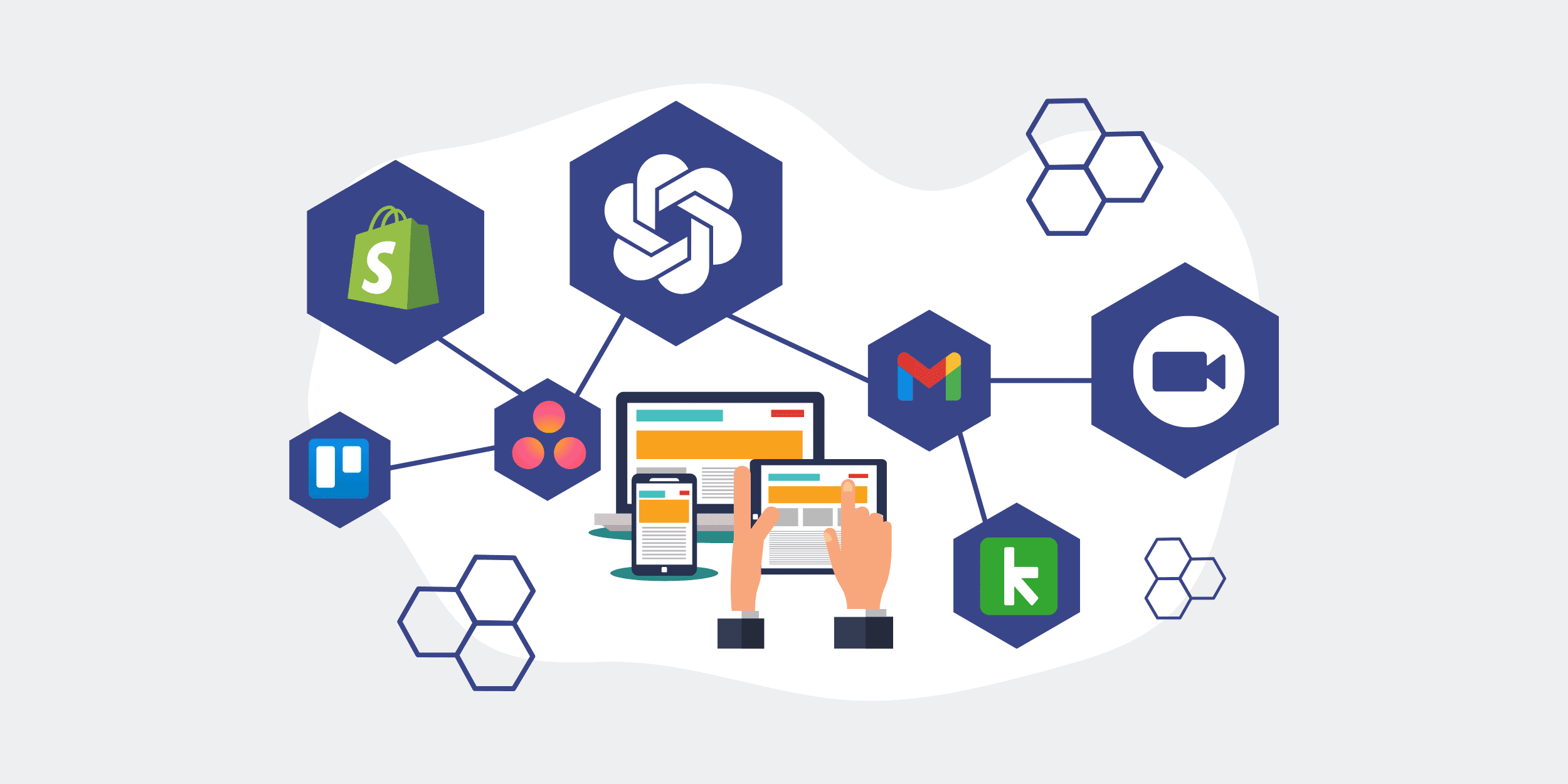
At 4Spot Consulting, we approach these challenges not with piecemeal fixes, but with a strategic, holistic methodology. Our OpsMesh framework is designed to weave together your disparate systems, creating a cohesive, automated ecosystem where data flows freely and intelligently. We don’t just build automations; we engineer solutions that eliminate human error, reduce operational costs, and build a truly scalable infrastructure.
The journey begins with our OpsMap™ diagnostic. This isn’t a superficial review; it’s a deep dive into your existing workflows, identifying every inefficiency, every manual handoff, and every data bottleneck that’s costing you time and money. We uncover the hidden opportunities for automation, providing a clear roadmap to reclaim lost productivity and unlock new levels of efficiency.
Once opportunities are identified, our OpsBuild phase brings these solutions to life, leveraging powerful low-code platforms like Make.com to connect your CRM, HRIS, project management tools, and other critical systems. We focus on creating a single source of truth, ensuring that every piece of data serves a purpose and is accessible when and where it’s needed. For example, we’ve helped HR tech clients save over 150 hours per month by automating resume intake and parsing, enriching data with AI, and seamlessly syncing it to their CRM—a transformation that frees up their team to focus on talent, not data entry.
Finally, OpsCare ensures your automated infrastructure remains robust, optimized, and evolves with your business. We believe in strategic partnerships, not just project completion. Our hands-on leadership means you’re never left alone after implementation; we’re there to continuously refine and iterate, ensuring your systems always align with your strategic objectives.
Reclaiming Your Day and Your Growth Trajectory
The solution to disconnected data isn’t more software; it’s smarter integration and strategic automation. By adopting a unified approach to your business operations, you can transform your organization from one hampered by unseen drains into a streamlined, highly efficient powerhouse. You reclaim precious time, eliminate costly errors, and build a foundation for sustainable, exponential growth. It’s about leveraging technology to empower your team, not burden them.
Ready to uncover automation opportunities that could save you 25% of your day? Book your OpsMap™ call today.
If you would like to read more, we recommend this article: Mastering Business Automation Strategies for Scalable Growth