Beyond CRM: Achieving a True Single Source of Truth with Intelligent Automation
For many business leaders, the Customer Relationship Management (CRM) system represents the holy grail of customer data – a central repository meant to provide a complete view of every interaction. Yet, despite significant investments and promises of unified data, countless organizations still struggle with fragmented information, disparate systems, and a lack of true operational clarity. The dream of a “single source of truth” often remains an elusive vision, leading to wasted time, missed opportunities, and decisions based on incomplete data. This isn’t a failure of the CRM itself, but rather a symptom of a broader operational challenge that demands a more integrated, intelligent approach.
The core problem isn’t usually a lack of data; it’s a surplus of disconnected data. Your sales team lives in the CRM, marketing uses an email platform, HR has a separate system, finance has another, and customer support might be in a helpdesk application. Each system performs its function well, but the information rarely flows seamlessly between them. This creates data silos that prevent a holistic understanding of your business, turning what should be a coherent operational ecosystem into a series of isolated islands.
The Illusion of Integration: Why Point Solutions Fall Short
Many companies attempt to bridge these gaps with point-to-point integrations or manual data transfers. While these efforts can alleviate immediate pain points, they rarely offer a robust, scalable solution. Custom integrations are often brittle, breaking with software updates, and manual processes are prone to human error, consuming valuable employee time that could be better spent on high-value tasks. This piecemeal approach leads to what we call the “illusion of integration” – a facade of connectivity that cracks under the demands of real-world business operations.
The true cost extends beyond mere inconvenience. Inaccurate or outdated data can lead to poor customer experiences, misinformed strategic decisions, and significant operational inefficiencies. Think of a sales team unknowingly pitching to a client with an open support ticket, or a marketing campaign targeting segments based on stale information. These are not minor hiccups; they erode trust, waste resources, and directly impact the bottom line. The lack of a genuine single source of truth means your most valuable employees are often engaged in low-value data reconciliation instead of innovation or customer engagement.
Building a Unified Data Ecosystem: More Than Just a Database
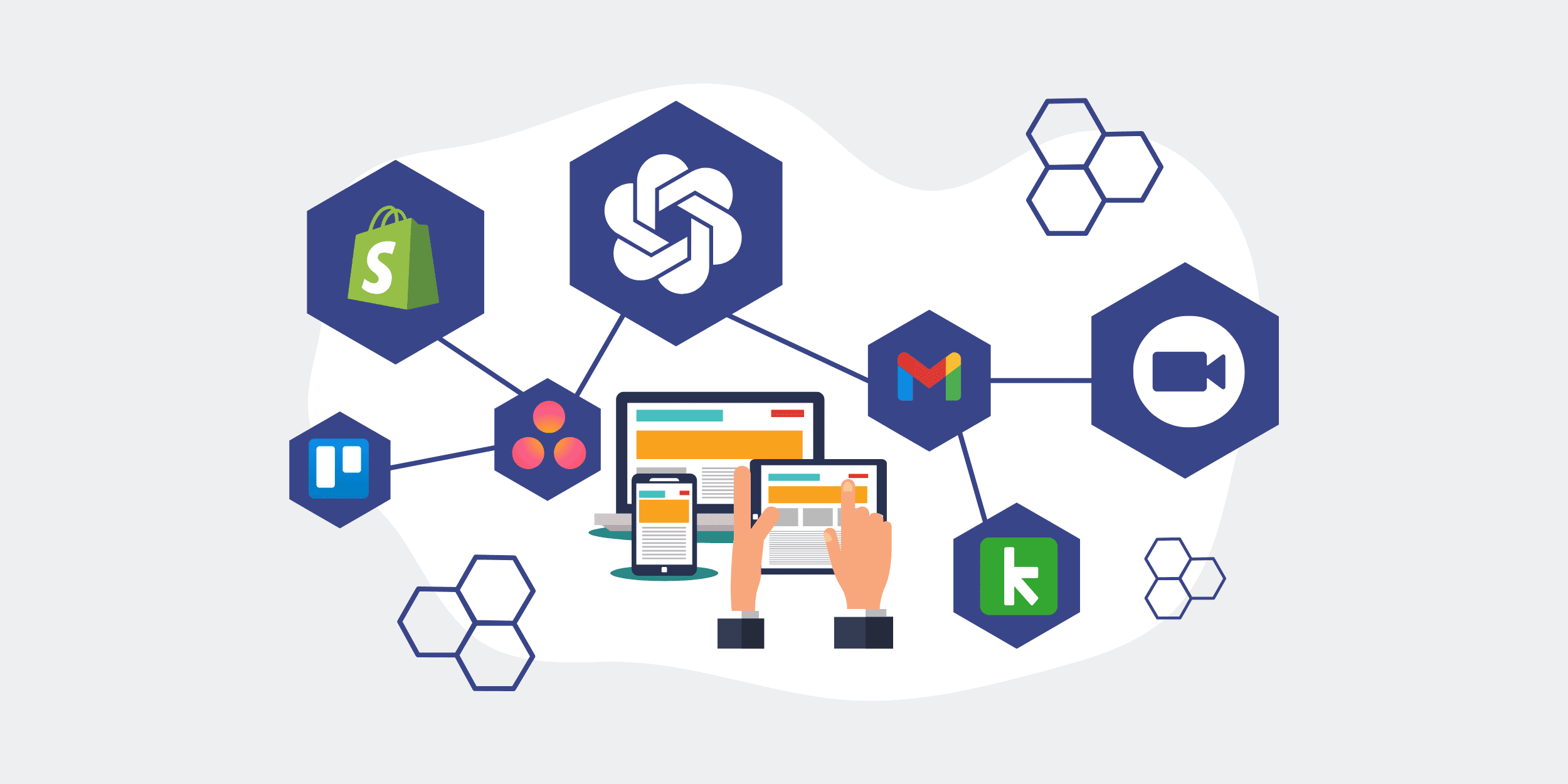
Achieving a true single source of truth isn’t about finding one super-system that does everything. It’s about creating an intelligent data ecosystem where information flows freely, accurately, and automatically between all your critical business applications. This requires a strategic approach that identifies key data points, defines authoritative sources, and implements robust automation workflows to synchronize and enrich data across your entire tech stack.
At 4Spot Consulting, our OpsMesh framework addresses this challenge head-on. We begin with an OpsMap™ diagnostic – a deep dive into your current operational landscape to identify existing data silos, manual bottlenecks, and areas where disconnected information is causing friction. This isn’t just about what software you use, but how data moves (or doesn’t move) through your organization. We uncover the hidden costs of your current setup and pinpoint the strategic points where automation and AI can deliver the greatest ROI.
4Spot’s Approach to a Unified Operational Core
Our OpsBuild phase then translates these insights into actionable, automated solutions. Leveraging powerful integration platforms like Make.com, we design and implement custom workflows that connect your CRM (whether Keap, HighLevel, or another), HR systems, marketing platforms, finance tools, and more. This isn’t just data migration; it’s about establishing continuous, bidirectional data synchronization that ensures every system has access to the most current and accurate information. For example, we might automate the enrichment of CRM records with data from project management tools, or synchronize HR data with onboarding platforms, eliminating redundant data entry and ensuring compliance.
A key aspect of building this unified core is leveraging AI where it makes sense. AI can automate data parsing, classify incoming information, or even identify discrepancies that human eyes might miss, adding a layer of intelligence to your data flow. Imagine an AI automatically populating CRM fields from email signatures or identifying potential issues in customer records before they become problems. This proactive approach significantly reduces human error and enhances the quality of your single source of truth.
The result is a business that operates with unparalleled clarity and efficiency. Decisions are made with comprehensive, real-time data. Employees are freed from repetitive, data-entry tasks and can focus on strategic initiatives. Operational costs are reduced, scalability is enhanced, and the customer experience is dramatically improved. We’ve seen clients, like an HR tech firm, save over 150 hours per month by automating their resume intake and parsing, ensuring their CRM was always updated with the latest candidate information without manual intervention – a true testament to the power of a connected data ecosystem.
Achieving a genuine single source of truth is no longer a luxury; it’s a strategic imperative for high-growth B2B companies. It’s about transcending the limitations of individual software applications and architecting an intelligent, interconnected operational core. With 4Spot Consulting, you don’t just integrate systems; you build a foundation for sustained growth and efficiency, ensuring your data works for you, not against you.
If you would like to read more, we recommend this article: The OpsMesh Framework: Revolutionizing Your Business Operations