How to Streamline Client Onboarding with Low-Code Automation
For high-growth B2B companies, a smooth client onboarding process isn’t just a nicety; it’s a critical driver of client satisfaction, retention, and ultimately, revenue. Manual onboarding, however, is rife with inefficiencies, human error, and delays that can tarnish initial client perceptions. This guide outlines how leveraging low-code automation can transform your client onboarding from a bottleneck into a streamlined, impressive experience that saves your team valuable time and ensures consistent, error-free execution from day one. By applying strategic automation, you can ensure every new client engagement starts on the strongest possible footing, allowing your high-value employees to focus on building relationships rather than managing paperwork.
Step 1: Map Your Current Onboarding Process
Before you can automate, you must thoroughly understand your existing client onboarding journey. This involves documenting every single step, from contract signing to the first successful client interaction. Identify all stakeholders involved, the tools currently in use, and every data point collected or generated. Look for handoffs between departments, areas where data is manually re-entered, and any points where delays or errors frequently occur. A visual process map, like a flowchart, can be incredibly helpful here. This diagnostic step is crucial because it highlights the specific pain points and bottlenecks that low-code automation can most effectively address, laying the groundwork for a truly optimized system rather than just digitizing existing inefficiencies. This foundational understanding is what underpins successful automation initiatives, similar to our OpsMap™ audit, which reveals these critical insights.
Step 2: Identify Automation Opportunities
With your process mapped, pinpoint tasks ripe for automation. Think about repetitive, rules-based activities that consume significant time and are prone to human error. This often includes sending welcome emails, setting up client accounts in various internal systems (CRM, project management tools, billing software), generating initial reports or contracts, and scheduling introductory meetings. Low-code platforms excel at connecting disparate systems and orchestrating these workflows. For instance, automatically creating a project folder in Google Drive upon contract signing, triggering a notification to the account manager, or provisioning access to a client portal are prime candidates. Focusing on these high-volume, low-complexity tasks first delivers immediate ROI and builds momentum for broader automation adoption across your organization.
Step 3: Choose the Right Low-Code Automation Platform
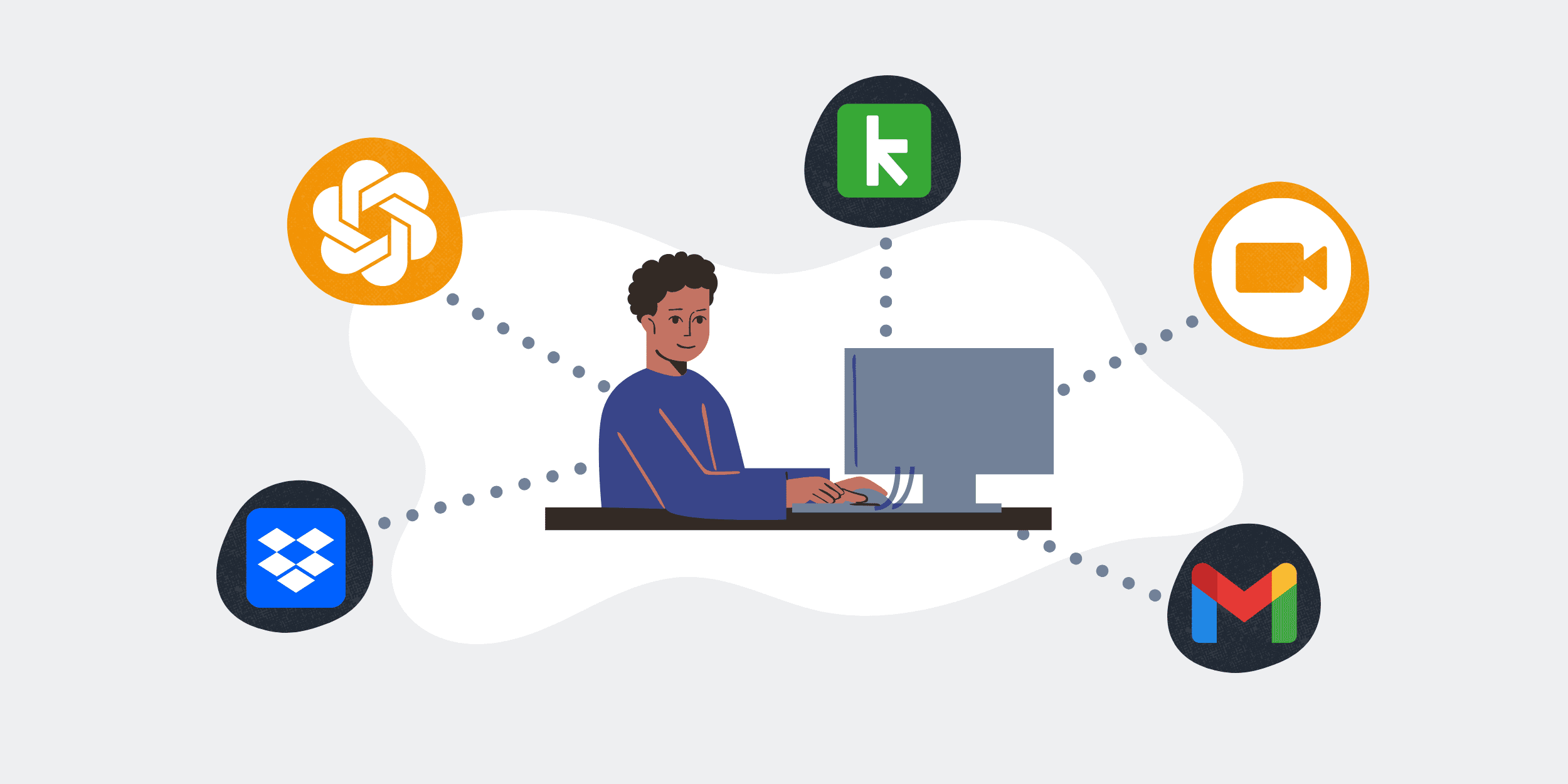
Selecting the appropriate platform is paramount to your success. For many businesses, a tool like Make.com offers robust capabilities for integrating hundreds of applications without needing extensive coding knowledge. Evaluate platforms based on their ease of use, the breadth of integrations they offer with your existing tech stack (e.g., Keap, PandaDoc, your CRM), scalability, and support resources. Consider factors like data security, compliance requirements, and the ability to handle complex conditional logic. A good low-code platform empowers your operations team to build and manage automations directly, reducing reliance on IT and accelerating deployment. This strategic choice determines the long-term agility and efficiency of your automated onboarding workflows, ensuring your investment pays dividends.
Step 4: Design and Build Your Automated Workflows
Now it’s time to translate your identified opportunities into actionable workflows. Begin with a single, high-impact automation to test and refine your approach. For example, when a new client’s status changes to “signed” in your CRM, trigger a sequence: automatically generate a welcome email, create a new client record in your project management system, send an internal notification to the sales and operations teams, and create a templated folder structure in a cloud storage solution. Use conditional logic to handle different client tiers or service packages. Document each workflow thoroughly, including triggers, actions, and any decision points. Iterative testing is key here to ensure all integrations function correctly and the automated process flows seamlessly from start to finish. This systematic build, a core part of our OpsBuild™ framework, ensures robust and reliable automation.
Step 5: Test, Refine, and Deploy
Thorough testing is non-negotiable before deploying any automation into production. Run multiple scenarios, including edge cases and potential error conditions, to ensure the workflow behaves as expected. Test with dummy data or in a staging environment if possible. Gather feedback from the teams involved in the onboarding process – sales, operations, and account management – to identify any overlooked steps or areas for improvement. Refine the workflow based on testing results and feedback. Once confidence is high, deploy the automation, but continue to monitor its performance closely. Establish metrics to track efficiency gains, error reduction, and client satisfaction. Remember, automation is an ongoing journey; continuous optimization ensures your systems remain agile and effective as your business evolves.
Step 6: Integrate with Your CRM and Communication Tools
To achieve a truly seamless onboarding experience, your low-code automations must integrate deeply with your core business systems, especially your CRM (e.g., Keap, HighLevel) and communication tools. This ensures a single source of truth for client data and prevents data silos. For instance, automate the creation of tasks for account managers directly within the CRM when specific onboarding milestones are met. Use automation to populate client details from the CRM into documents generated by tools like PandaDoc. Integrate with communication platforms to send personalized updates or schedule automated follow-ups. By connecting these critical tools, you not only improve efficiency but also enhance the client experience through timely, accurate, and personalized interactions, making your operations truly interconnected and intelligent.
If you would like to read more, we recommend this article: The Ultimate Guide to Business Automation for Modern Enterprises